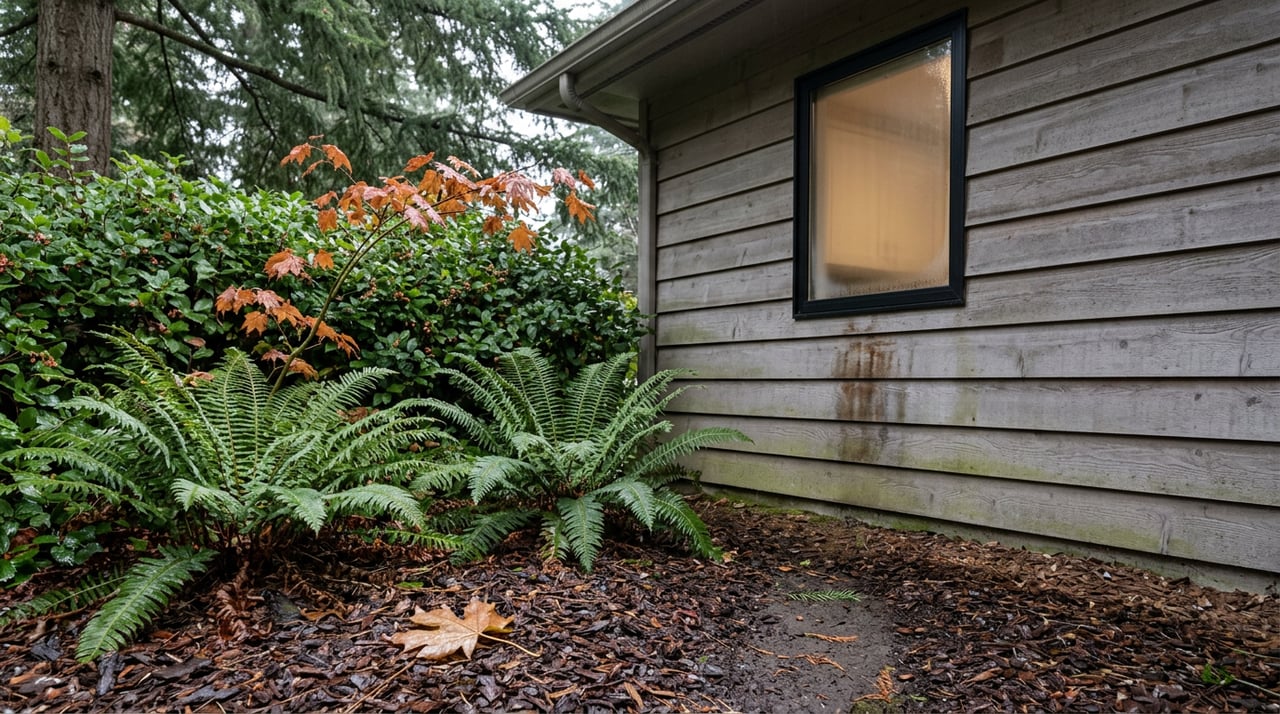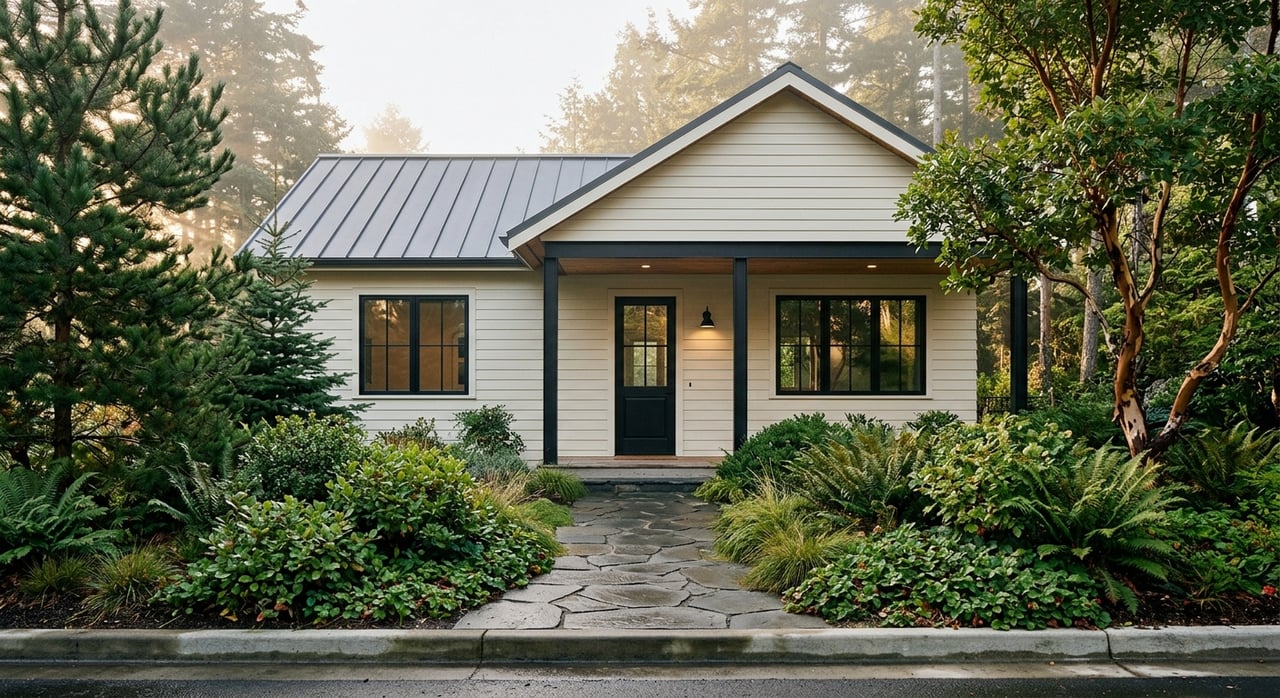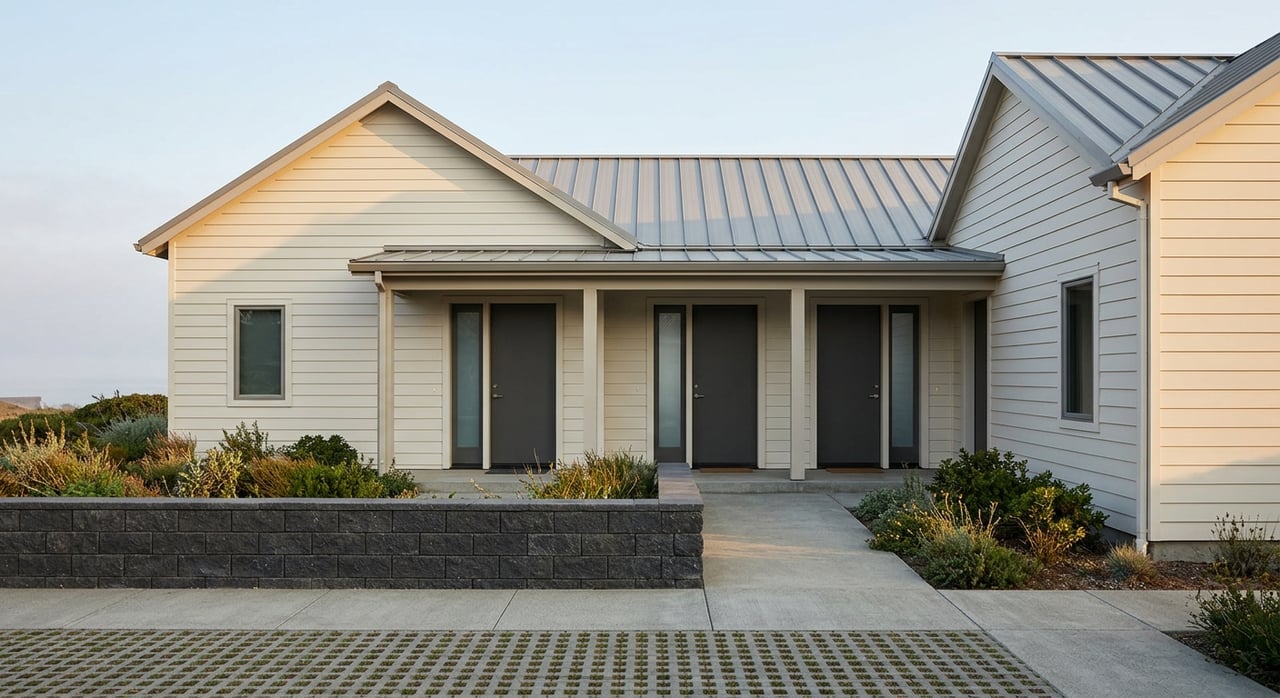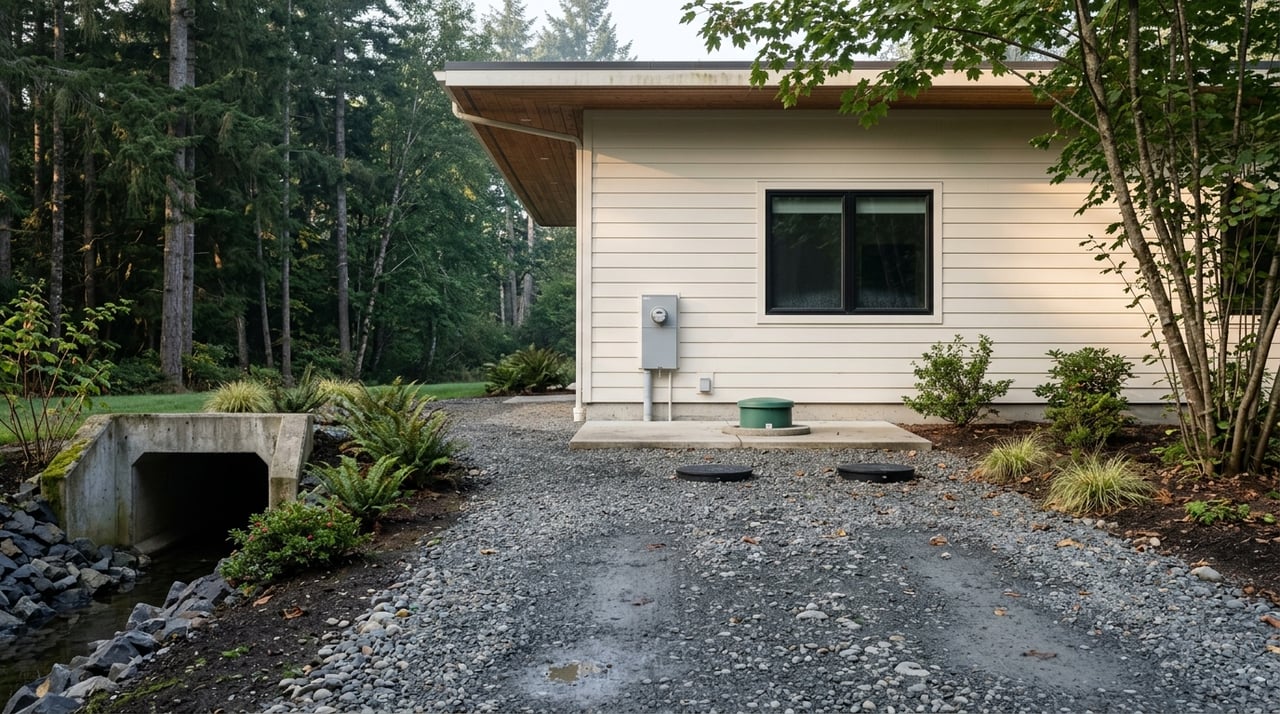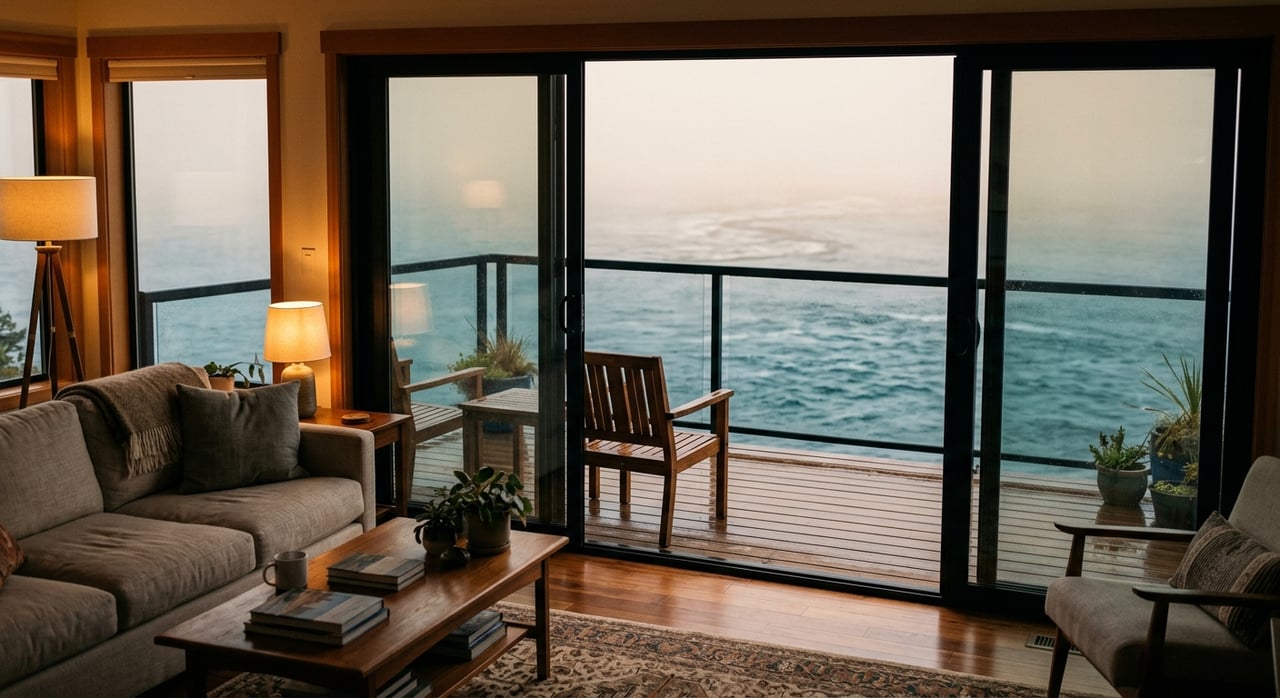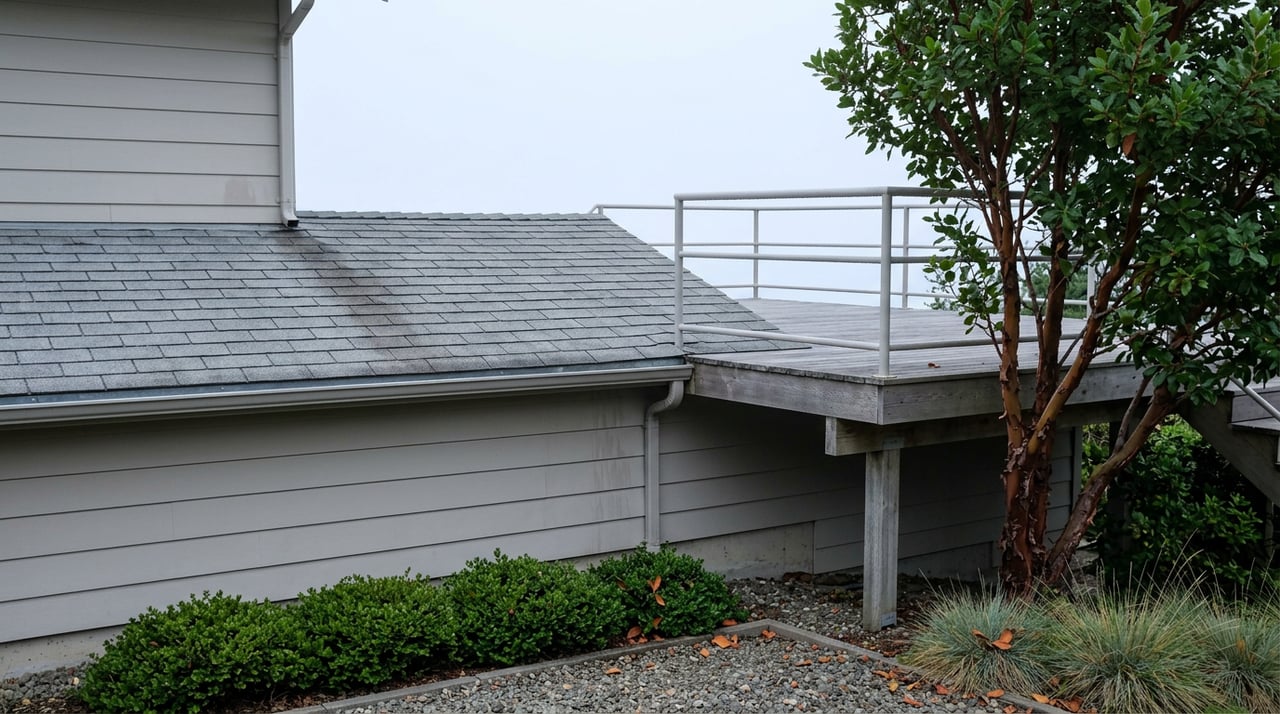
A homeowner near Highway 101 in Brookings got a knock on the door one fall. A storm-chasing contractor offered an $11,000 fix for wind-torn shingles, no permit number on the quote, no mention of what was underneath. Something about it didn't sit right, so the homeowner called Outlaw Roofing for a second opinion. The inspection that followed found wind-driven moisture had already soaked into the west-facing deck, and four sheets of plywood had gone soft enough to crumble. The real number, with a permitted scope and matching warranty, came in at $14,900.
That gap between the two quotes is not really a roofing story. It is a preview of what happens in a lot of Brookings closings, just moved earlier in the timeline. Somewhere between the offer and the keys, almost every transaction on this stretch of coast runs into a version of the same discovery: the inspection the buyer already scheduled is not the inspection that actually decides whether the loan closes on time.
The Inspection You Booked Isn't the One That Matters Most
Most buyers assume a home inspection is a single event. One inspector, one crawl space, one report, done. In Brookings, that assumption is only half true, and the half that's missing is the half a lender usually cares about most.
Oregon licenses two different things here. A general home inspector, registered with the state's Construction Contractors Board, checks the overall condition of the property: roof, electrical, plumbing, structure. A separate Structural Pest & Dry Rot inspection, sometimes called a WDO inspection for wood-destroying organisms, digs specifically into termite activity, carpenter ants, and rot, and it has to be performed by someone who holds that CCB registration for real estate transactions specifically. A plain pest control license is not automatically enough. Reports from pest control operators without that additional registration may not even be usable in an Oregon real estate transaction.
Lenders, particularly on VA and FHA loans, frequently require this second inspection as its own condition of financing. That means the report your buyer's agent scheduled in week one is not necessarily the report the underwriter is waiting on in week three. If nobody flags that early, the WDO inspection gets booked late, often right when every CCB-registered inspector on the south coast is already stacked up from the same rainy season that caused the problem in the first place.
The Termite You're Picturing Isn't the One You'll Actually Find
Ask most buyers what a termite inspection is for and they picture the subterranean kind, the ones that build shelter tubes up from the soil and, nationally, have caused more structural damage over time than fires. Those termites don't need existing wood damage to move in. They bring their own moisture with them.
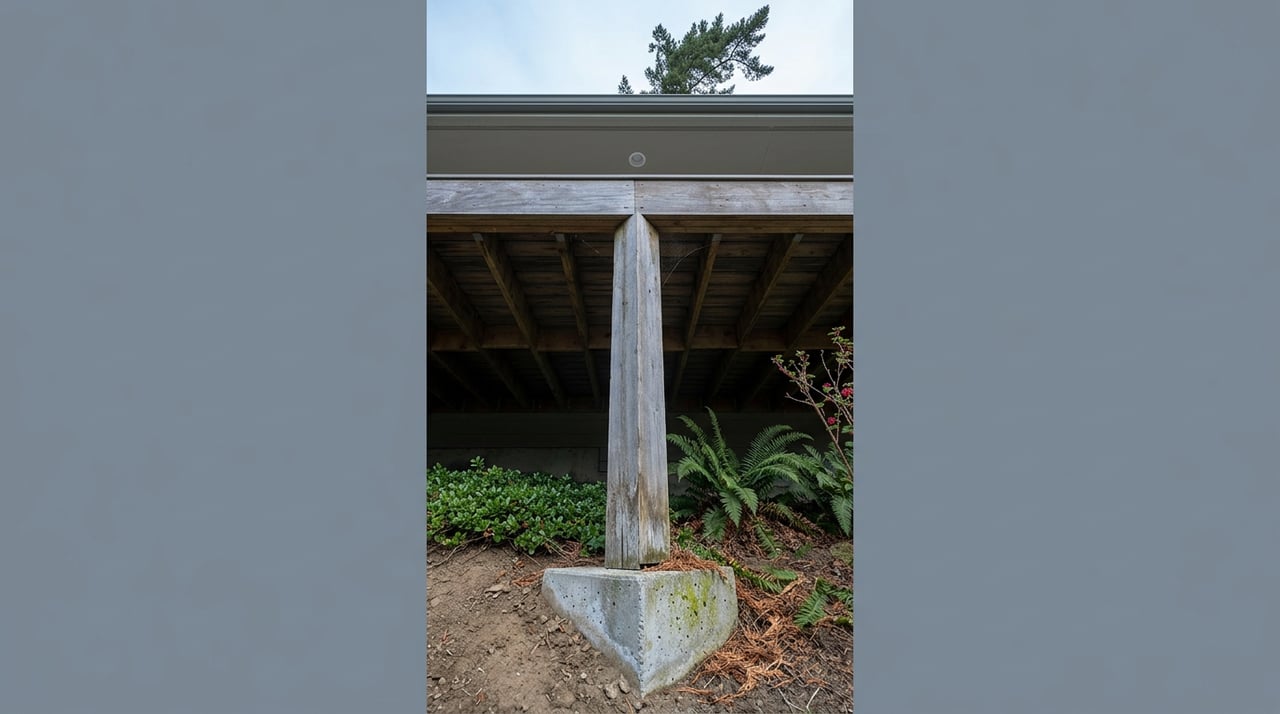
Brookings homes see less of that species than inland Oregon does. What shows up instead is Pacific damp wood termite activity and plain dry rot, both of which need wood that is already wet to get established. That distinction matters more than it sounds like it should. A subterranean termite problem can appear in wood that looked fine the week before. A damp wood termite or dry rot finding almost always means the moisture problem was already there, quietly, before anyone noticed.
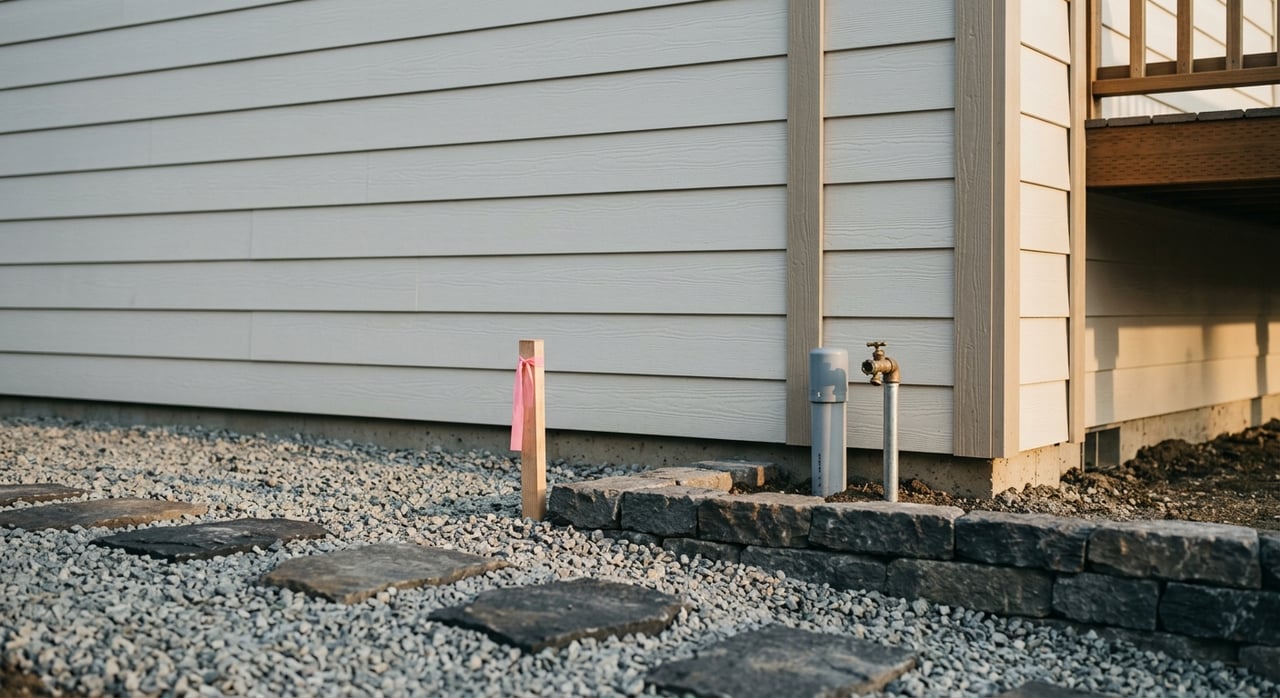
That's why a Structural Pest & Dry Rot report has two separate categories, not one. The first is active damage: confirmed rot, confirmed insect activity, wood that needs to come out. The second is what inspectors call conducive conditions: poor grading, blocked vents, wood touching soil, moisture with nowhere to go. A house can pass on active damage and still carry a page of conducive conditions that tells a buyer exactly where the next problem is going to start.
What Exposure Actually Costs
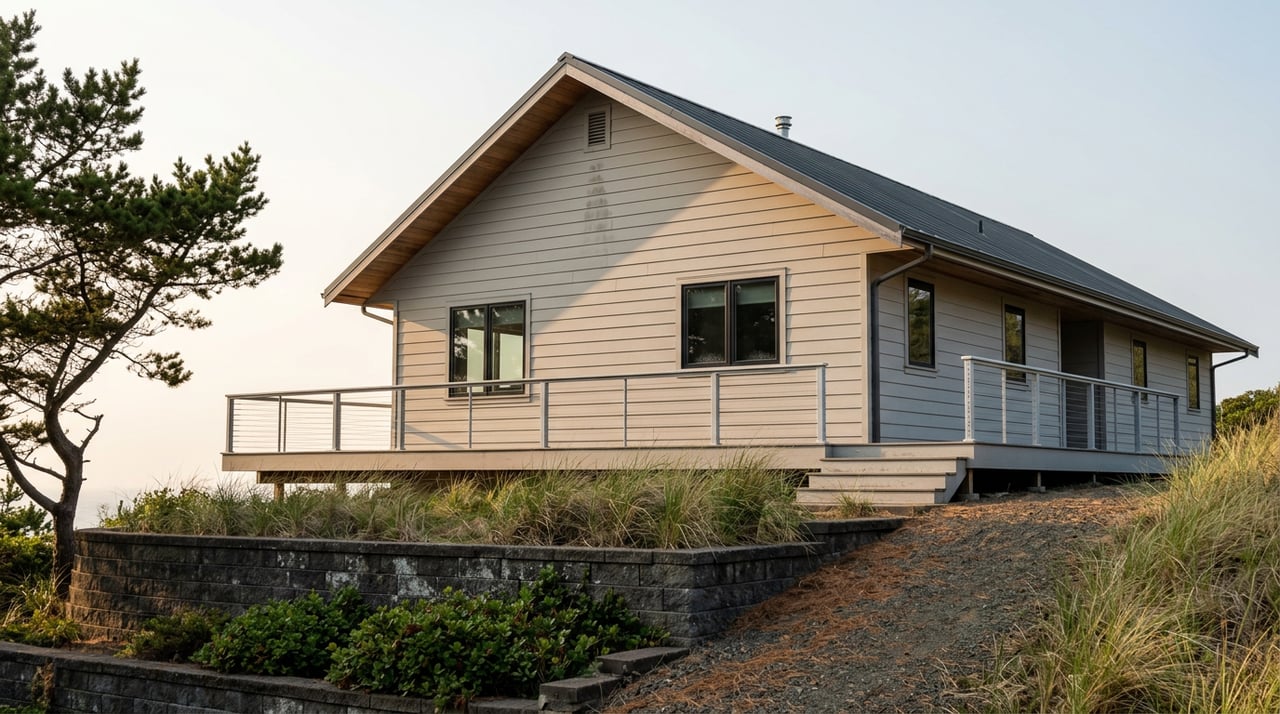
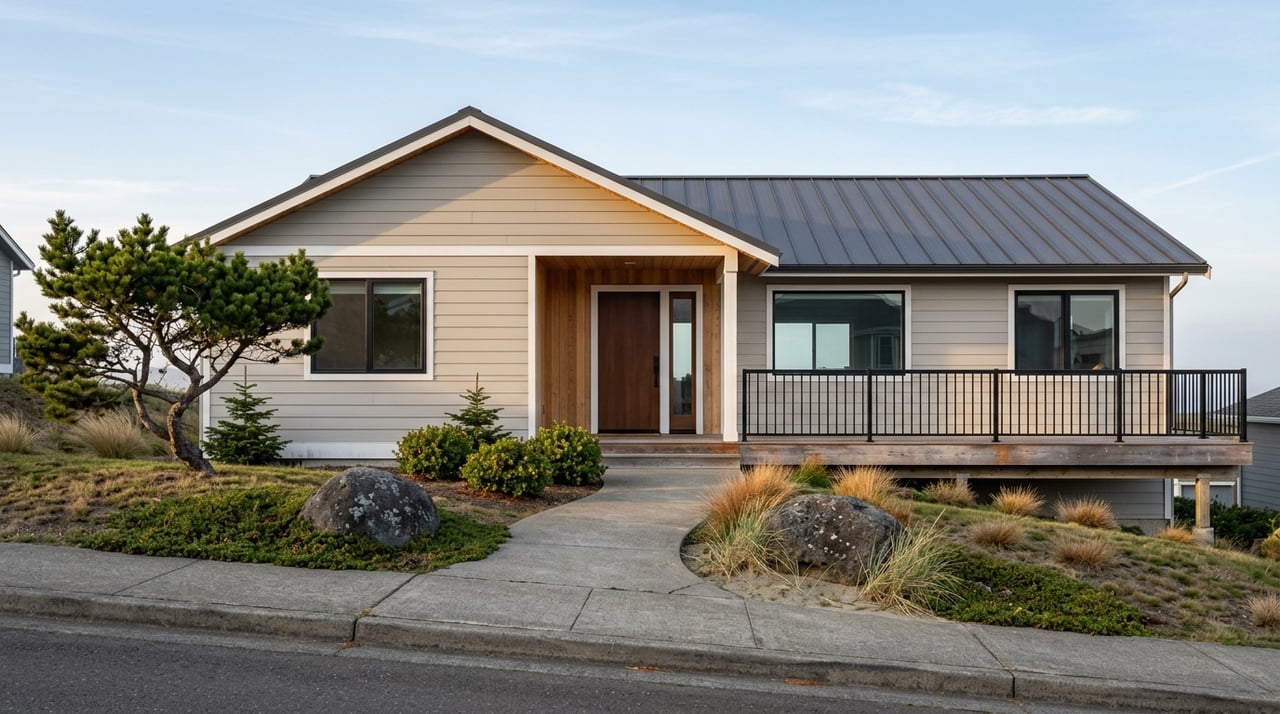
Here's the part that turns this from a licensing detail into a negotiating number. Repair costs in Brookings don't move in a straight line with square footage. They move with how much wind and salt a roof or deck has actually absorbed, and that depends on where the house sits.
| Exposure | Typical roof replacement range |
|---|---|
| Sheltered cottage, set back from wind | $12,500 to $16,000 |
| Highway 101 corridor, direct exposure | $15,000 to $21,000 |
| Bluff-front, full ocean wind | $19,000 and up |
A national manufacturer's 30-year shingle estimate assumes moderate weather. On an exposed stretch of the Brookings coast, where humidity off the Chetco River meeting the Pacific keeps algae and moisture working on a roof year-round, that same shingle system is often functionally done at 15 to 22 years, well before the paperwork says it should be.
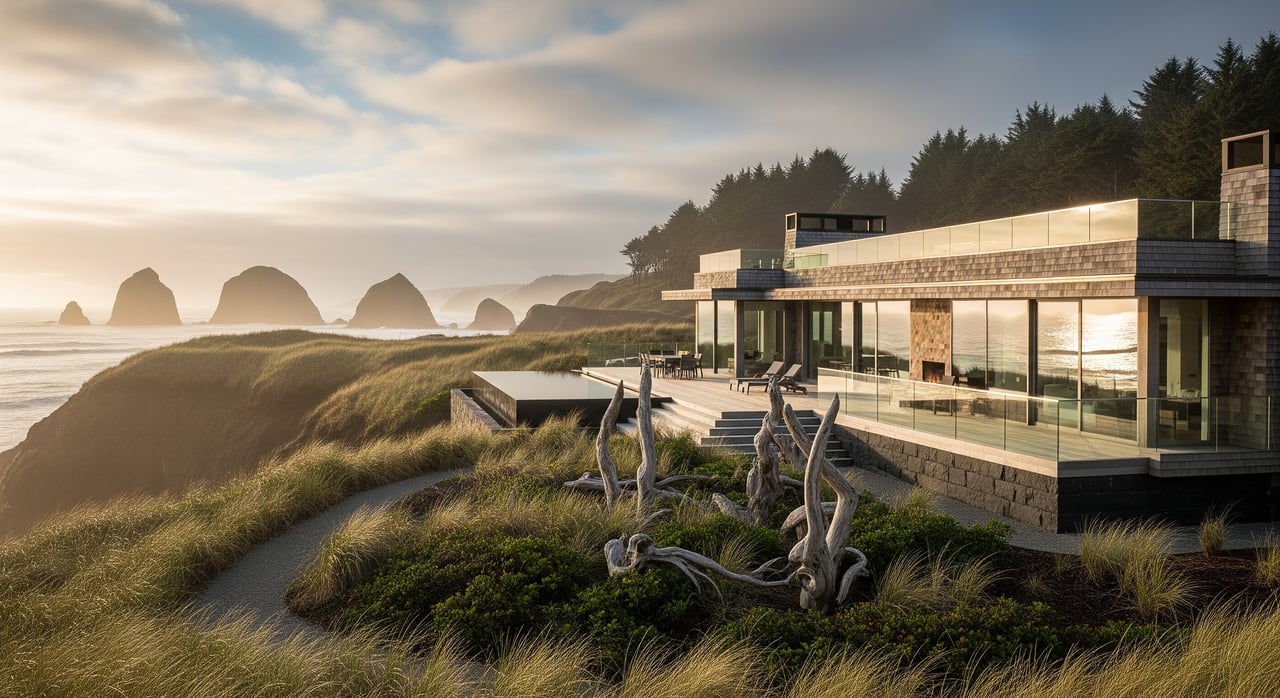
None of this means every bluff-front listing is a problem property. It means the repair credit conversation at the negotiating table needs to start from where the house actually sits, not from a coastwide average that treats a sheltered cottage the same as a bluff-front home taking direct wind for two decades.
Where the Timeline Actually Breaks
The WDO inspection itself is quick, usually 45 minutes to two hours depending on how accessible the crawl space is. The friction isn't the inspection. It's when it gets ordered.
If a buyer's lender calls for a separate pest and dry rot report as a loan condition, and that only becomes clear after the appraisal comes back, the search for an available CCB-registered inspector starts later than anyone planned. During and after storm season, when every roofer and every pest inspector in Curry County is already booked from the same weather that caused the damage, that search can add real days to a closing calendar that both sides thought was locked.
Sellers who order their own pre-listing WDO inspection sidestep most of this. It puts a clean report, or an honest list of conducive conditions with a repair estimate already attached, in front of a buyer before financing forces the question. Buyers who ask their lender up front whether a separate pest and dry rot inspection will be required, rather than finding out from a conditions list two weeks before closing, buy themselves the same runway from the other direction.
What This Means If You're Close to a Brookings Transaction
If you're selling, get ahead of the exposure question before a buyer's inspector does. A bluff-front listing with a fresh, permitted roof and a clean pest and dry rot report is a very different conversation than the same listing with an unresolved conducive-conditions page. If you're buying, ask early whether your loan type requires the second inspection, and ask your agent whether the seller has already had one done. The answer changes how much runway you actually have before closing, and it changes what a fair repair credit looks like once you know whether you're negotiating a sheltered cottage or a bluff-front roof.
Does every home sale in Brookings require a separate pest and dry rot inspection? Not every sale, but it's common enough that assuming it won't come up is a mistake. VA and FHA financing in particular tend to require it as a loan condition, and Oregon's rules mean the inspector doing it needs specific CCB registration for real estate work, not just a general pest control license.
Can my regular home inspector just check for rot while they're already in the crawl space? They may note visible signs, but a full Structural Pest & Dry Rot report is a separate, more detailed document, and in some cases a report from someone without the right CCB registration isn't usable in the transaction at all. Worth confirming credentials before you assume one inspection covers both.
Does a clean termite report mean the roof is fine? No. The pest and dry rot report and a roof's remaining lifespan are related but separate questions. A house can have no active rot or termite activity and still be sitting on a roof system that's nearing the end of its practical life for its exposure tier.
If you're weighing a purchase or a listing on this stretch of the south coast and want someone who already knows which questions to ask before they show up in a lender's conditions list, Pacifica at Rogue Reef is Marie Curtis and RE/MAX Coast & Country's home base for exactly that kind of local groundwork. Reach out to talk through where your property or your search sits on the exposure map, and what that means for the timeline ahead.