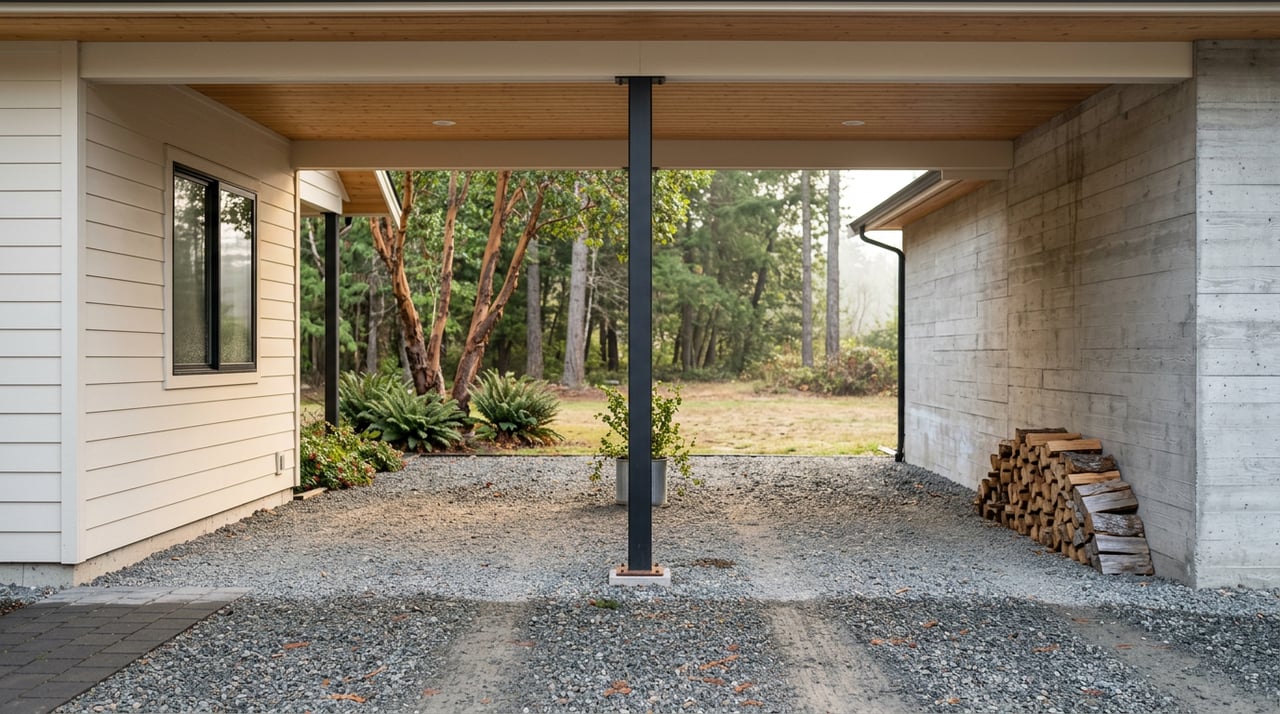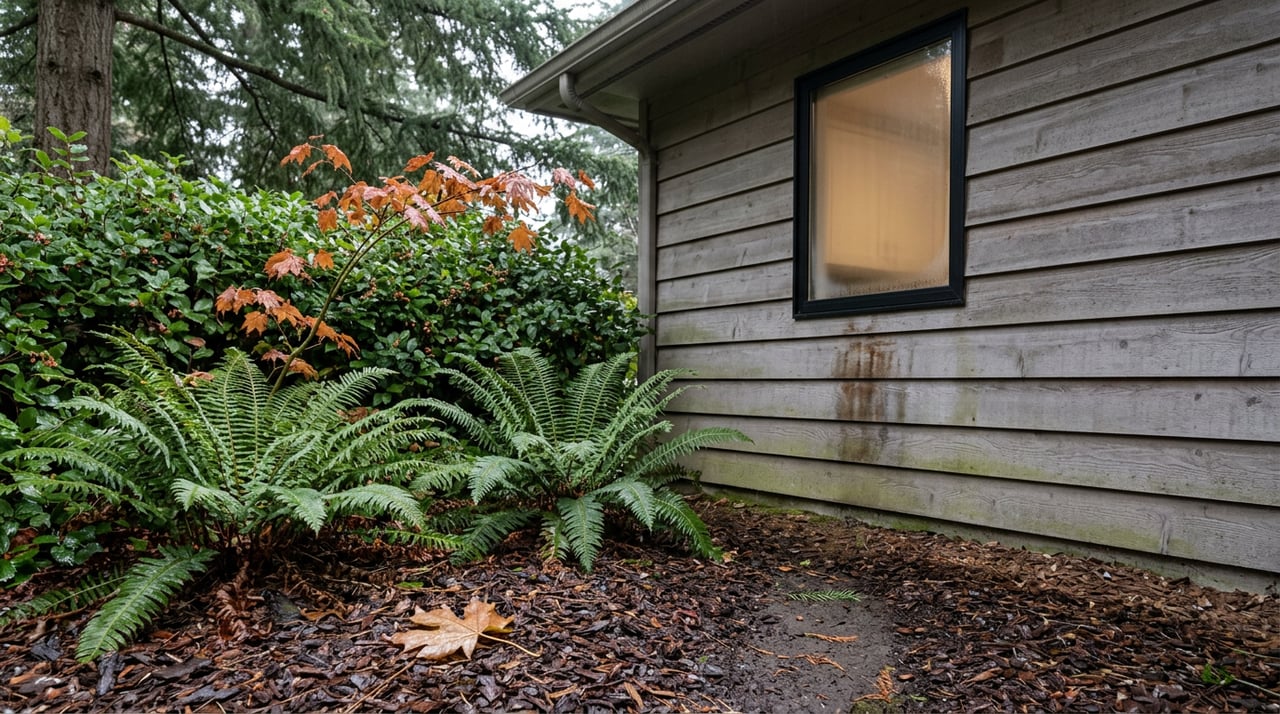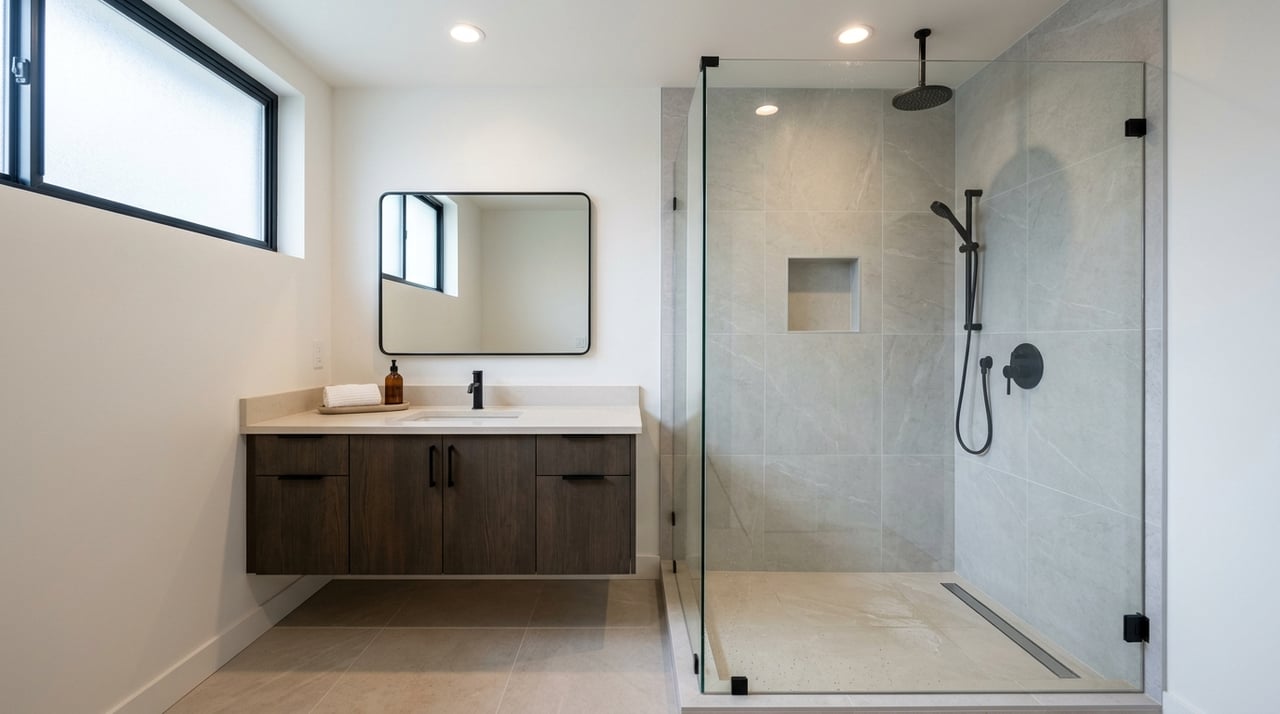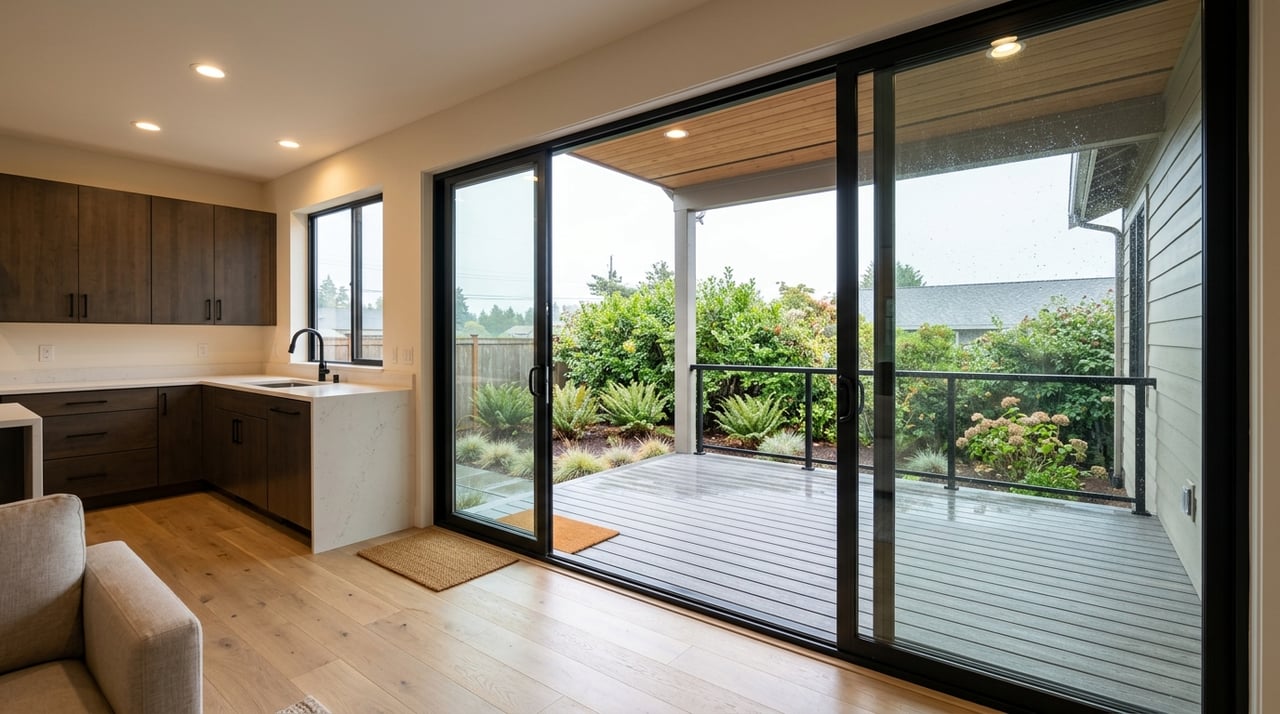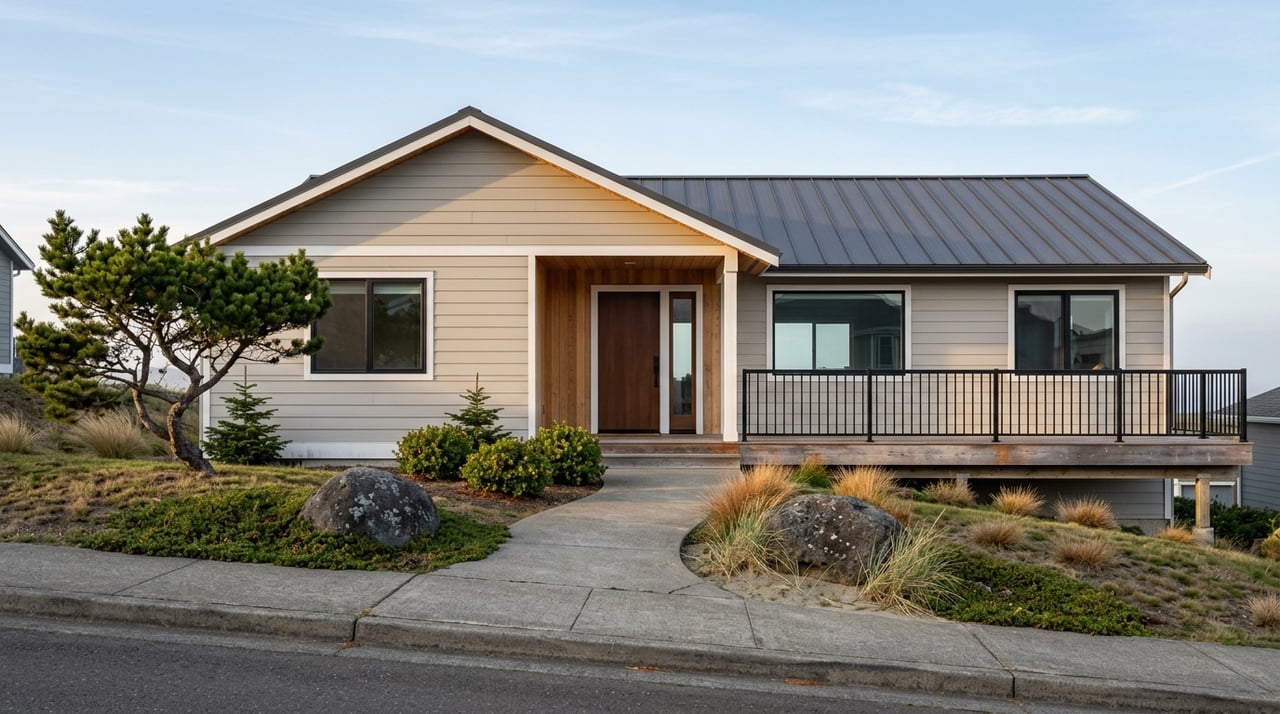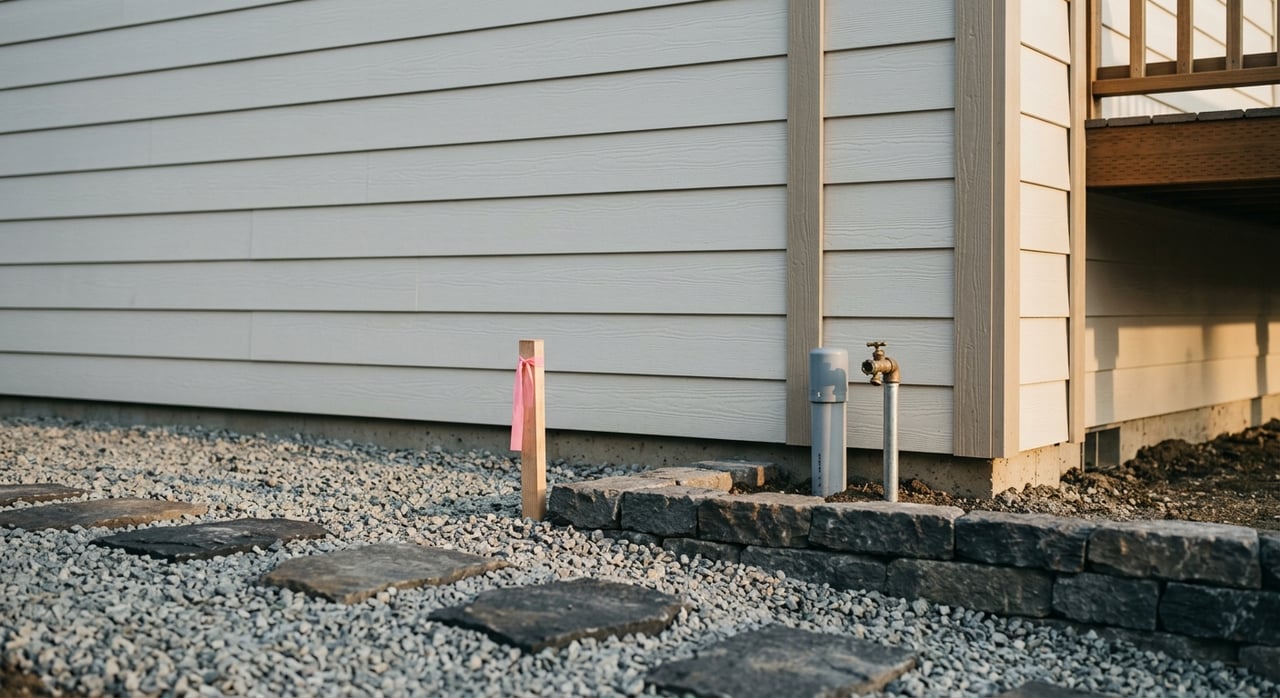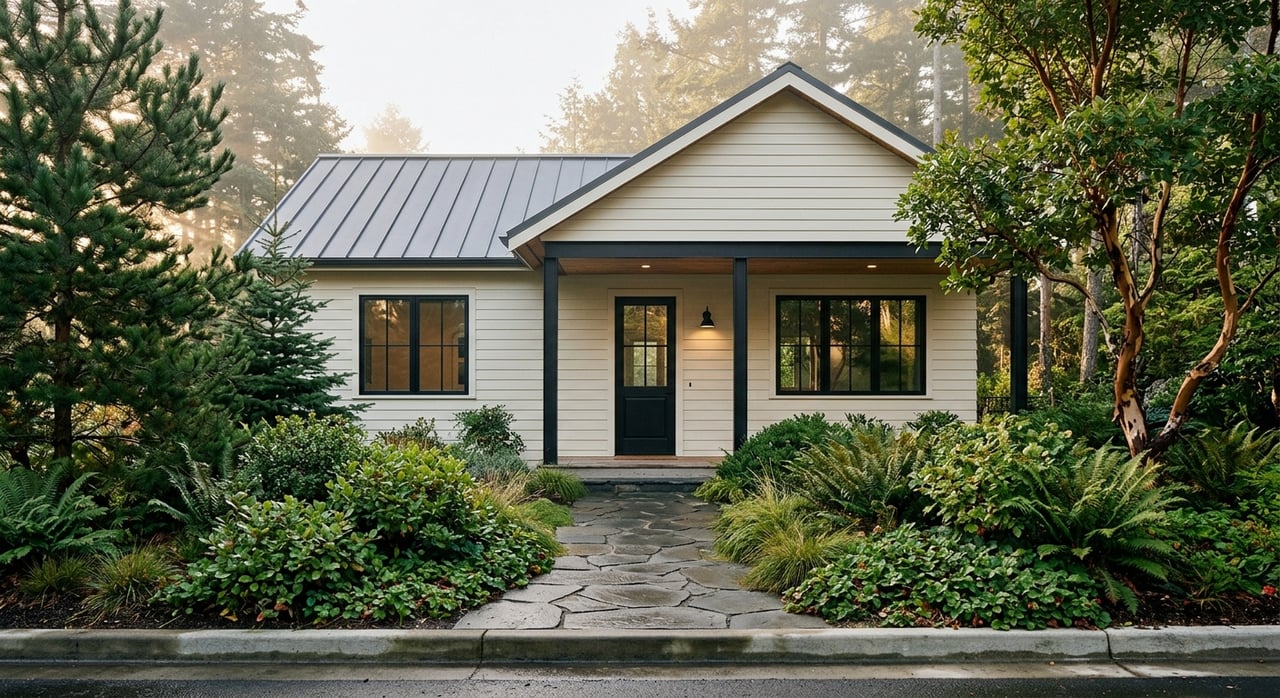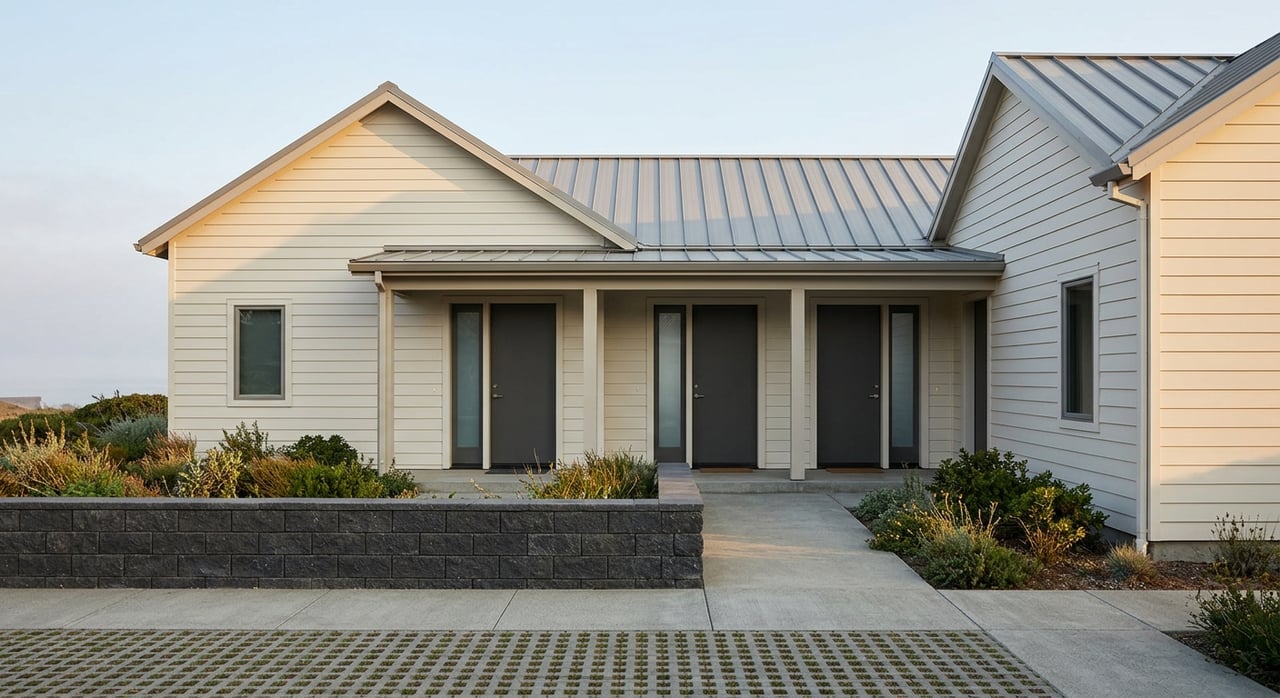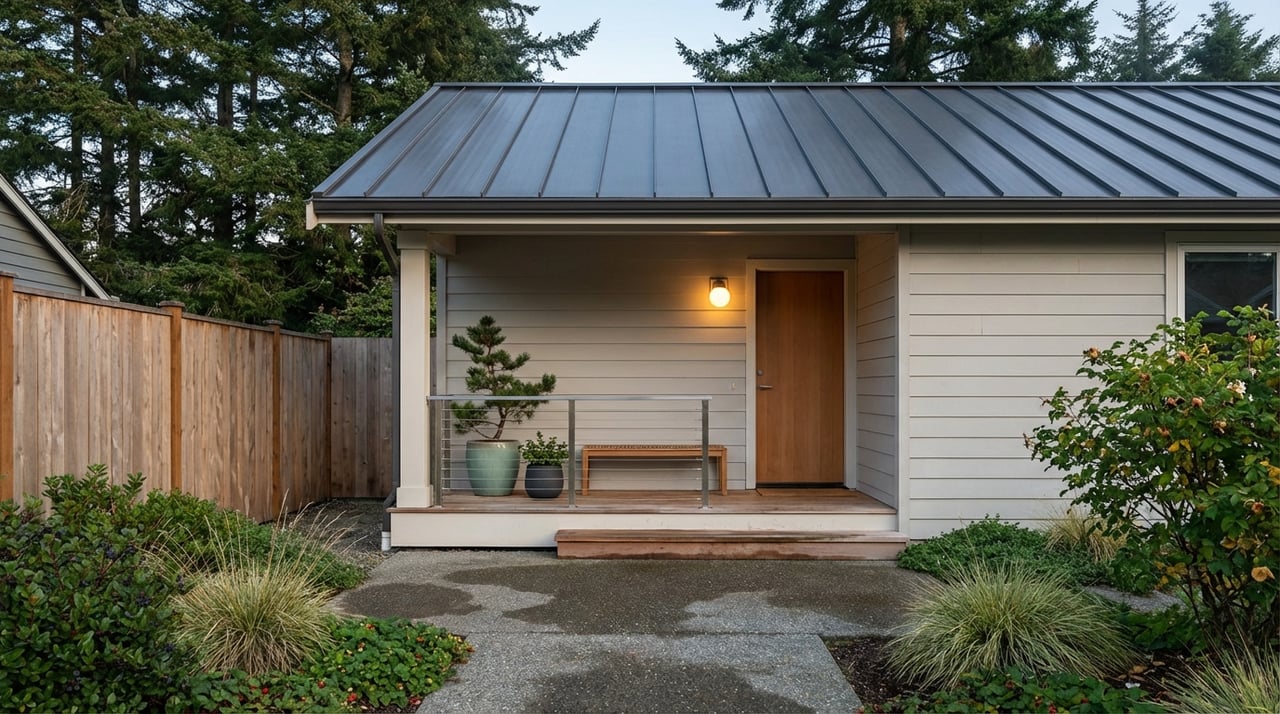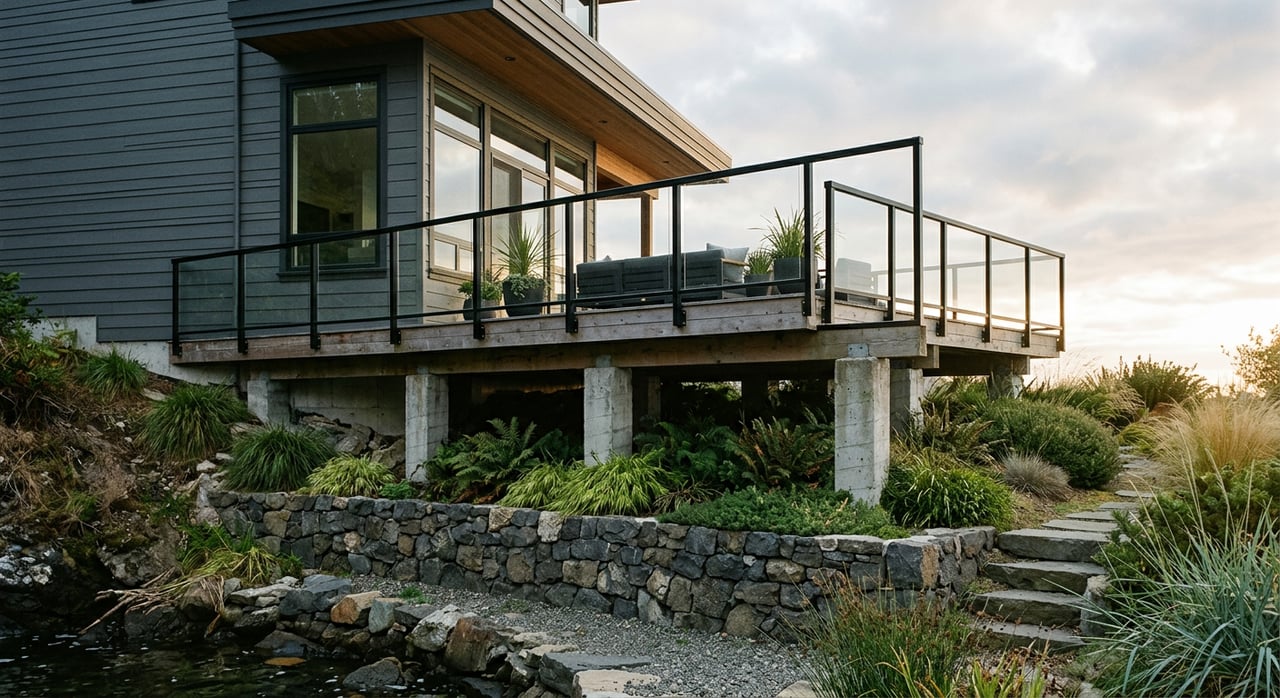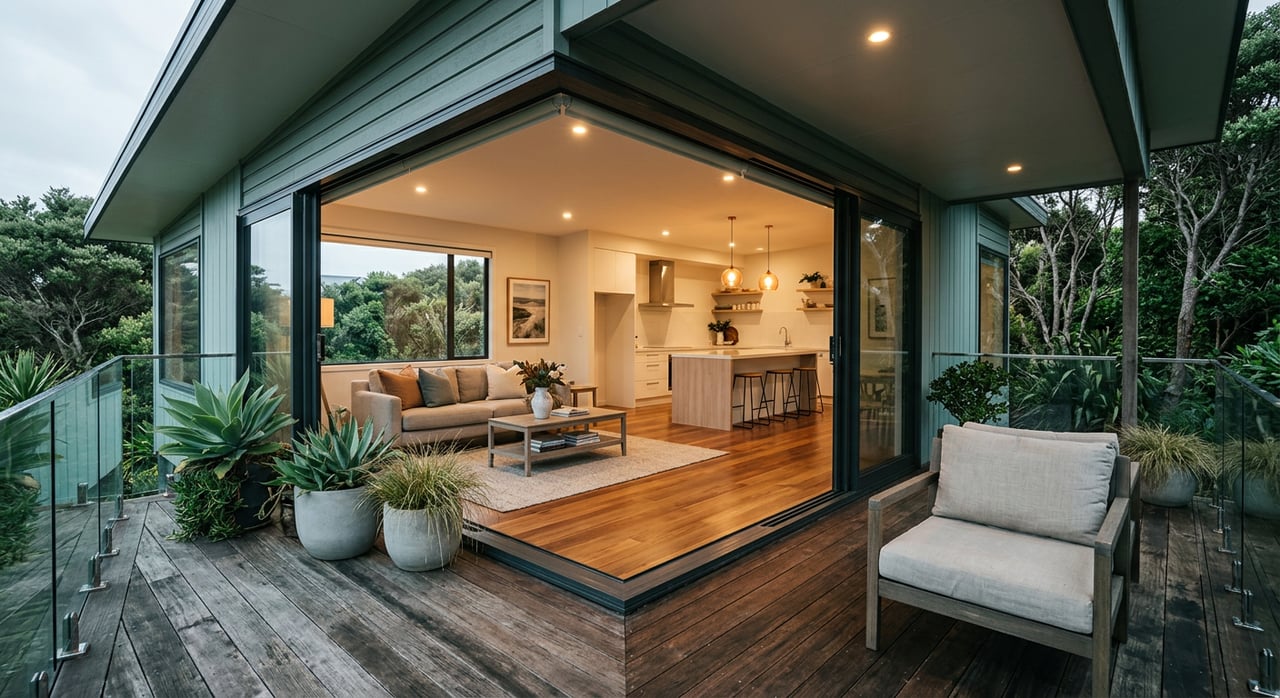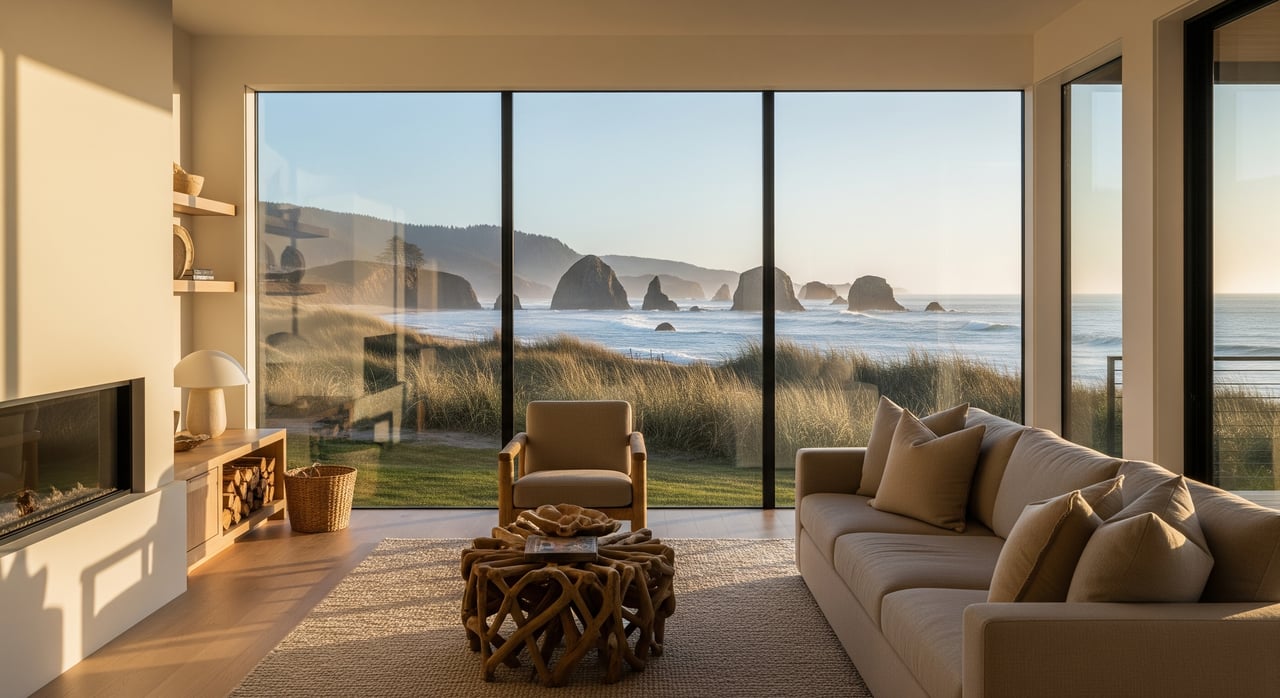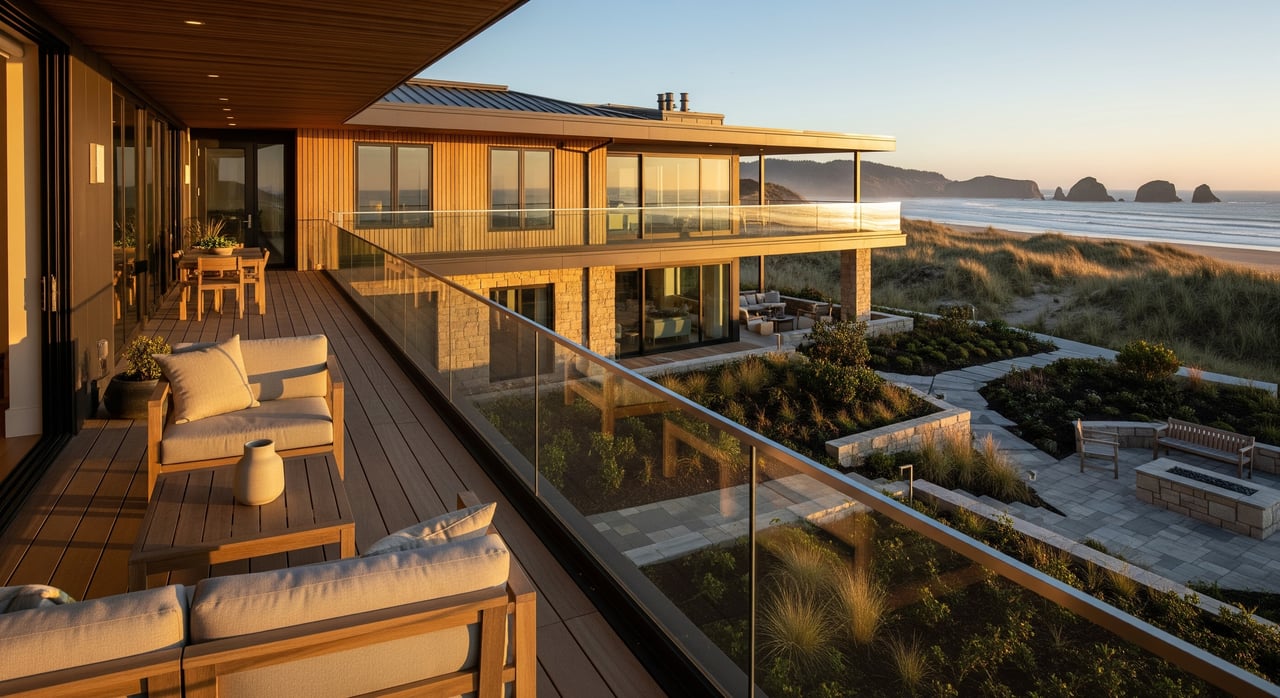
Thinking about a simpler, low‑maintenance life by the sea? If you are eyeing a condo in Bandon, you are not alone. Many downsizers and retirees choose condos for convenience, access to beaches and Old Town, and fewer home‑care headaches. In this guide, you will learn what HOAs typically cover, what fees look like in Bandon, how to read HOA documents with confidence, and which coastal factors matter most before you buy. Let’s dive in.
What HOAs cover in Bandon condos
Condominium ownership gives you a unit plus a shared interest in common areas that the homeowners association manages. In Bandon, HOAs generally handle exterior building care and day‑to‑day operations so you can focus on living, not maintenance.
Here is what you can usually expect an HOA to cover:
- Exterior building maintenance such as roof, siding, exterior paint, and common‑area windows.
- Common area upkeep including landscaping, walkways, lighting, stairways, and parking areas.
- Shared systems where applicable, like elevators, plumbing mains, shared HVAC, and stormwater systems.
- Master insurance for common elements and typically the exterior shell of the building.
- Some utilities in certain associations, commonly water, sewer, or trash, and at times basic cable or internet.
- Amenities and services that vary by community, such as a clubhouse, fitness room, pool, security features, covered parking, or storage.
- Management and administration, including budgeting, reserves, vendor contracts, dues collection, and rule enforcement.
HOAs also enforce rules set in the CC&Rs, bylaws, and house rules. Common restrictions may address quiet hours, leasing rules, pet policies, architectural changes, parking and guest use, smoking, and vehicle storage. Always confirm the specifics in the documents for the property you are considering.
Typical HOA fees and drivers
HOA dues in Bandon vary by building age, size, amenities, insurance costs, and whether utilities are included. Coastal exposure often increases maintenance needs and master policy premiums.
Here are realistic monthly ranges:
- Basic developments with few amenities: about $150 to $350.
- Well‑maintained buildings with reserves and some utilities included: about $300 to $600.
- Ocean‑influenced or amenity‑rich buildings with elevators or on‑site staff: $600 or more.
Key fee drivers include reserve funding levels, building age and condition, number of units, amenities and services, insurance costs, management model, and which utilities are bundled into dues. Associations with stronger reserves may have slightly higher monthly dues but are less likely to levy frequent special assessments.
How to read HOA documents
Before you fall in love with the view, review the association’s paperwork. The documents reveal what you own, what you owe, and how the community operates.
Request and review:
- CC&Rs and Bylaws to understand rules and governance.
- Rules & Regulations for day‑to‑day policies on pets, rentals, and parking.
- Current budget and recent financial statements to see income, expenses, reserve contributions, and cash on hand.
- The latest reserve study to gauge long‑term capital needs and recommended funding.
- Board meeting minutes from the last 12 to 36 months to spot recurring issues or planned projects.
- Insurance declarations for the master policy and deductibles.
- Assessment and arrears report for delinquency rates and collection issues.
- Pending litigation disclosures for any lawsuits.
- Resale certificate or estoppel letter to confirm dues, fees, and owner standing for the unit.
Practical review steps:
- Start with the resale or estoppel certificate to confirm current dues and any planned special assessments.
- Compare the reserve study to actual reserve funding in the budget and statements.
- Read minutes for evidence of deferred maintenance, structural repairs, or disputes.
- Check who covers what under the master policy and what you must insure inside your unit.
- Ask about recent assessment history and any projects on the horizon.
- Verify condo eligibility for your loan type if you plan to use FHA, VA, or conventional programs with condo standards.
Red flags to watch
Not every red flag is a dealbreaker, but each one deserves careful review and, if needed, professional advice.
- Low or no reserves, especially in an aging building.
- High owner delinquency rate, often a concern if above 10 to 15 percent.
- Frequent special assessments in recent years.
- Litigation tied to structural defects, insurance disputes, or developer issues.
- Large master policy deductibles that may be passed through to owners.
- Rental restrictions that do not match your plans, or a high renter share if your lender requires owner‑occupancy thresholds.
- Evidence of deferred maintenance in inspection reports or board minutes.
Coastal factors to verify in Bandon
Coastal living brings beauty and unique maintenance realities. In Bandon, salt‑air exposure and storm systems can accelerate wear on exterior components and raise insurance costs. It is smart to check how an association plans for these conditions.
Confirm the property’s exposure to:
- Salt‑air corrosion that can impact siding, railings, windows, and roofing.
- Heavy wind and rain events and any history of claims for wind or hail.
- Flood, erosion, and tsunami risk. Review FEMA flood maps, local shoreline and coastal hazard information, and evacuation routes.
Ask how the HOA budgets for these risks, how often they inspect building envelopes, and whether any mitigation projects are planned.
Step‑by‑step due diligence checklist
Use this simple sequence to stay organized from offer to closing.
Immediate items to request:
- Resale or estoppel certificate with current dues and any unpaid or pending assessments.
- CC&Rs, bylaws, and rules and regulations.
- Current budget and the most recent financial statement.
- The latest reserve study and current reserve account balance.
- Board meeting minutes for the last 12 to 24 months.
- Master insurance declarations and deductible amounts.
- Assessment history and details on planned capital projects.
Within your contingency period:
- Review documents with your real estate agent and, if needed, a condominium attorney.
- Order a condo inspection that evaluates balconies or decks, windows, water intrusion points, and visible common‑element interfaces.
- Confirm loan eligibility for the specific condo community if you need FHA, VA, or conventional program approvals.
- Verify hazard exposure, including flood zones and tsunami evacuation areas.
- Ask the HOA or manager about delinquency rates and major projects in the pipeline.
- Confirm pet and rental policies match your needs.
- Note any estoppel or document fees and the timeline for delivery.
Post‑contract follow‑ups if concerns arise:
- Review any engineering or special inspection reports.
- Obtain an HO‑6 condo policy quote that aligns with master policy gaps and potential loss assessments.
- Confirm parking, storage, and guest policies.
- Talk with current residents when possible about responsiveness of the board and daily living experience.
Lifestyle fit for downsizers and retirees
The appeal of a Bandon condo is clear: the HOA takes care of exterior maintenance and landscaping so you can enjoy the coast. Many buildings offer single‑level living or elevator access that reduces mobility barriers. Shared spaces can create easy ways to socialize, from clubrooms to walking paths, depending on the community.
Location is a big part of the decision. Some properties sit near Old Town Bandon, beaches, and regional attractions like well‑known golf and resort amenities. Walkability and access vary by building, so visit at different times of day and in different seasons.
Before you choose, confirm:
- Accessibility features such as step‑free entries, elevator access, and helpful bathroom or kitchen layouts.
- Pet policies, including size and number, plus any on‑site pet areas.
- Parking and guest options for visitors or caregivers.
- Emergency preparedness, including tsunami and flood evacuation plans and building communication protocols.
- Budget tradeoffs, since HOA dues replace many maintenance costs but do not eliminate all expenses.
Smart financing and resale considerations
Condo financing sometimes has extra requirements. Many loan programs look at reserve funding levels, owner‑occupancy ratios, delinquency rates, insurance, and litigation. If an association does not meet a program’s standards, certain loans may not be available for that property.
For long‑term value, pay attention to the association’s reserve health, special assessment history, insurance quality, and overall upkeep. Well‑run HOAs with clear budgets and timely maintenance tend to support smoother resale outcomes.
Final advice and next steps
Take the time to match the HOA’s rules, finances, and maintenance plan to how you want to live. A careful document review, a targeted inspection, and a clear understanding of coastal hazards in Bandon will help you buy with confidence. If low‑maintenance living near Old Town or the beach fits your plan, we are here to help you explore options and move forward with clarity.
Ready to see what fits your lifestyle? Reach out through the Pacifica at Rogue Reef Project to start a focused condo search that aligns with your goals and budget.
Pacifica at Rogue Reef Project
FAQs
What do Bandon condo HOAs typically cover?
- Exterior building care, common‑area maintenance, shared systems where applicable, master insurance for common elements, and sometimes select utilities and amenities.
How much are HOA fees for Bandon condos?
- Many communities fall between about $150 and $600 per month, with higher dues in amenity‑rich or coastal‑exposed buildings; confirm for each property.
How can I tell if an HOA is financially healthy?
- Compare the reserve study to actual reserves, review budgets and financials, check delinquency rates, read meeting minutes, and look for a stable assessment history.
What coastal risks should I evaluate before buying?
- Verify salt‑air corrosion impacts, storm exposure, and flood, erosion, and tsunami risk, then check insurance coverage and any planned mitigation projects.
Can I rent out my Bandon condo part‑time?
- It depends on the CC&Rs and rules; confirm short‑term and long‑term rental policies, caps, and any minimum stay or registration requirements.
What insurance do I need as a condo owner?
- An HO‑6 policy that covers your interior finishes, contents, liability, and potential loss assessments, aligned with the master policy’s coverage and deductibles.