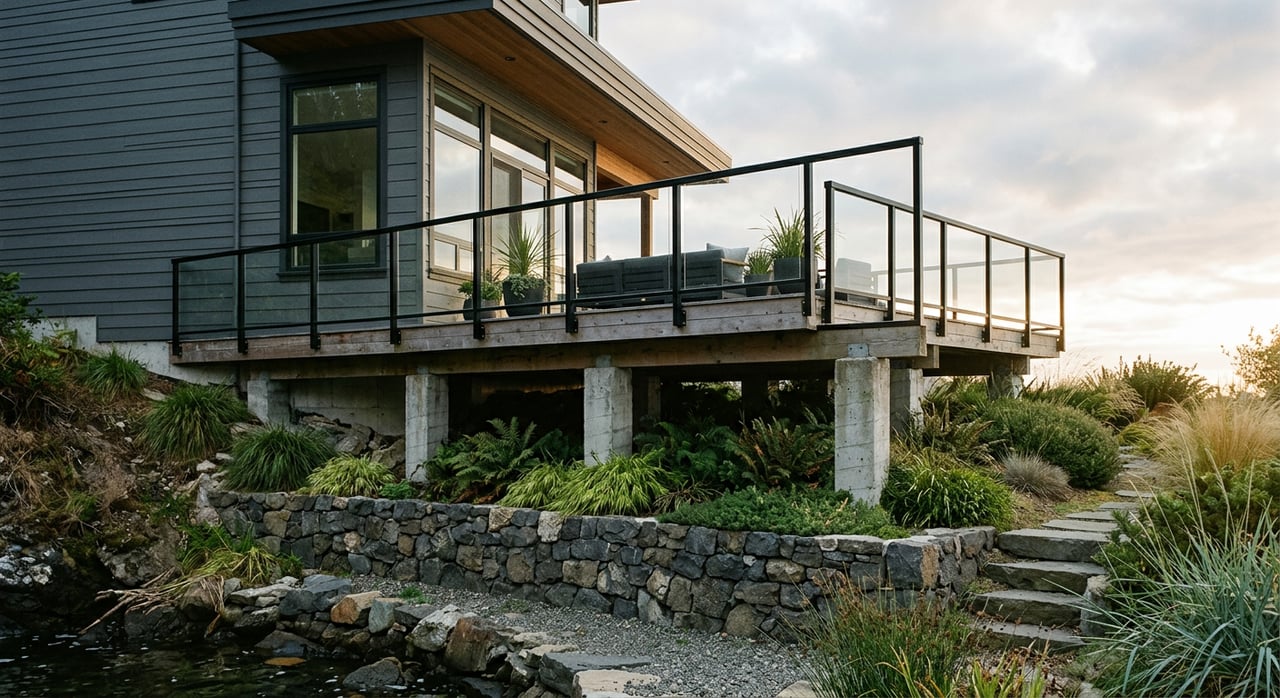
Waterfront homes in Brookings are special. Two shorelines, two rulebooks, and a few extra steps can make or break your timeline. If you want views and boat access without surprises, you need a clear plan for permits, insurance, and moorage. In this guide, you’ll learn how harbor and oceanfront sales really work in Brookings, what to check first, and how to keep your deal on track. Let’s dive in.
Brookings waterfront at a glance
Brookings offers two distinct waterfront experiences. On the Chetco River, the Port of Brookings‑Harbor runs a full‑service marina with more than 500 slips, fuel, haul out, and a transient dock. If you own a boat or want easy access to the river and ocean, review the Port’s rules, slip sizes, and contract details on the Port of Brookings‑Harbor marina page.
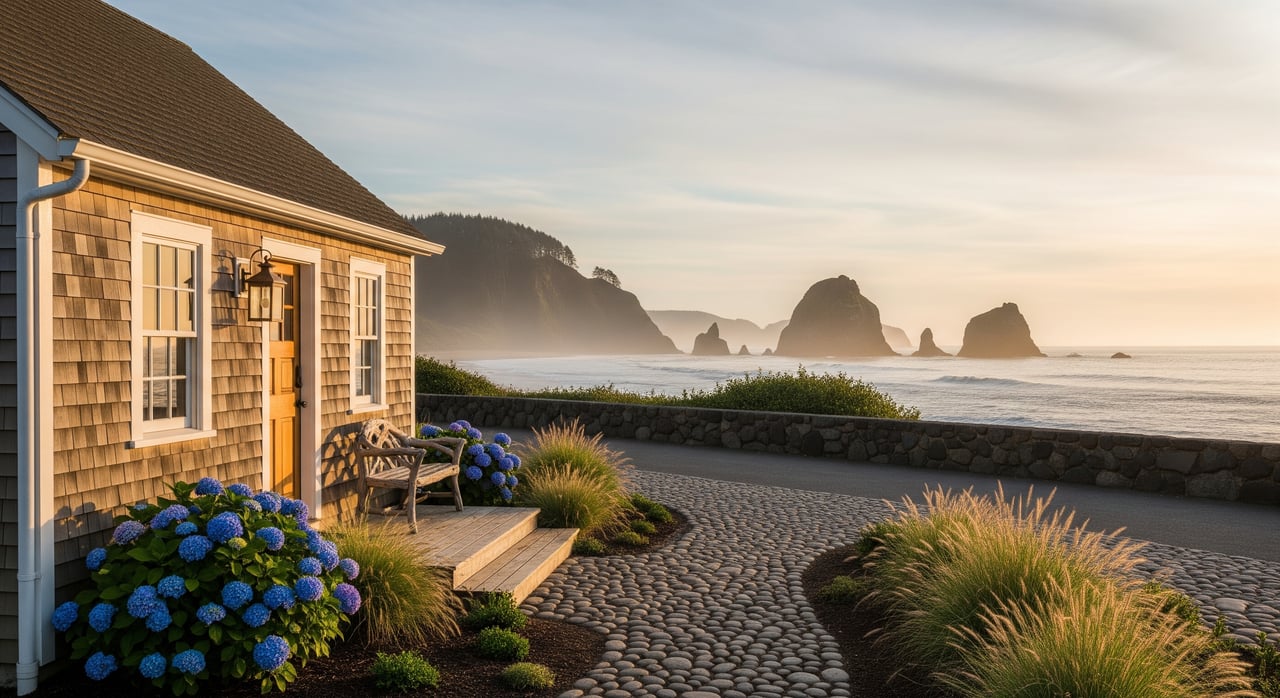
Oceanfront properties face a different set of rules that protect Oregon’s public ocean shore. If you plan to repair a seawall, reshape dunes, or add a beach access path, expect state review before work begins.
Hazards are real and well documented here. The Port sustained notable damage during the March 2011 tsunami, a reminder that coastal and river energy can combine in powerful ways. If you are comparing sites or planning renovations, take a moment to review the Port’s 2011 tsunami summary and plan your due diligence accordingly.
What drives value and risk
Tsunami and flood zones
Start with maps. Pull the DOGAMI tsunami inundation plate for Brookings and the parcel’s FEMA Flood Insurance Rate Map on the FEMA Map Service Center. If the home sits in a Special Flood Hazard Area or a VE coastal zone, both construction requirements and flood insurance costs can change. These map checks help you set realistic expectations on both safety and insurability.
Erosion and shoreline rules
Oregon limits new hard shoreline armoring. Under Statewide Planning Goal 18, beachfront protective structures are generally allowed only for qualifying pre‑1977 development. That affects whether a seawall can be built or replaced and how you plan for long‑term maintenance. Review the state’s Goal 18 background in this DLCD Goal 18 document and the plain‑English Guidebook on erosion control practices before you commit to a property strategy.
If your project reaches the public ocean shore, the Oregon Parks and Recreation Department will review it for the least‑impact alternative and open it to public comment. Read the OPRD ocean‑shore permitting page to understand how applications are evaluated.
Due diligence that wins deals
Use this practical sequence to reduce surprises and keep the negotiation in your favor:
- Map the hazards. Pull the DOGAMI tsunami map and the parcel’s FEMA flood panel. Note any VE or AE zones and plan for an elevation certificate if needed.
- Ask for shoreline permits up front. Request copies of any OPRD ocean‑shore permits, DSL removal‑fill permits, U.S. Army Corps approvals, and Port authorizations. Missing permits can derail insurance and resale.
- Order specialized inspections. Hire a coastal geotechnical professional for bluff or slope stability, and a marine or coastal engineer to assess foundations, seawalls, bulkheads, and docks. Ask for remaining service‑life estimates and itemized repair budgets where applicable.
- Verify moorage and boat access. If a slip or dock is part of your plan, confirm assignment, size, and transfer rules with the Port of Brookings‑Harbor. Get the paperwork, not just a verbal assurance.
- Confirm flood insurance early. Share your preliminary maps and any elevation data with your insurance broker and lender. Get quotes while you are in escrow to protect your timeline.
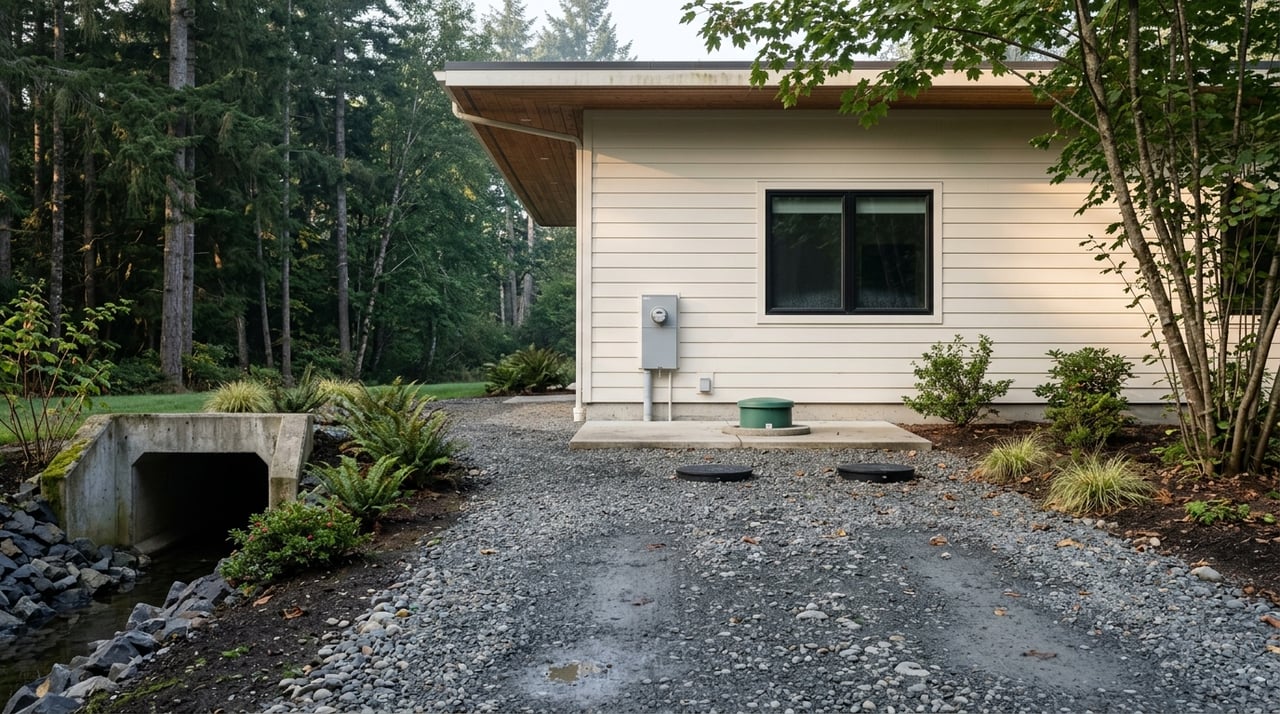
- Review septic and utilities. If the property is on septic or a private well, confirm locations, capacity, and county approvals before you finalize repair credits.
- Plan permits before you close. If you expect to repair a seawall, rebuild a dock, or do in‑water work, outline the permit path and timeline now. Factor it into your closing date and contractor schedule.
Docks, moorage, and boat access
If your home comes with a slip
Some harbor‑area homes include assigned or leased moorage. Ask for the moorage contract, slip specs, proof of assignment, and the Port’s rules for transfer and maintenance. Policies differ, and a waitlist or a non‑transferable lease changes your day‑to‑day reality. The Port’s marina page outlines services, slip counts, and contact points for confirmations.
If you plan a private dock
Adding or replacing a private dock on a river or estuary typically triggers review by the Oregon Department of State Lands, and sometimes federal review. Read DSL’s removal‑fill permitting overview to understand when docks, riprap, or ramps need permits and how timelines work. Fees can be material, and the five‑year schedule was recently updated, so check the current DSL removal‑fill fee schedule when you budget.
Timing and in‑water work windows
In‑water work is often limited to specific seasons to protect fish habitat. That can shorten the effective construction window each year. If you plan pile driving, dredging, or similar work, build your calendar around permit timelines and contractor availability.
Permits and timeline: what to expect
Here is the typical path most Brookings waterfront projects follow:
1) Early outreach and pre‑application
If your plans touch the harbor or shoreline, start with quick calls and pre‑application check‑ins. Contact the Port for any marina or harbor questions, the City or County for planning and building requirements, DSL for in‑water or shoreline work, and OPRD for any ocean‑shore activity. The Port’s marina page, DSL removal‑fill page, and OPRD ocean‑shore permits each show what information you will need.
2) Joint permit packages
Many projects combine a DSL removal‑fill permit with a U.S. Army Corps permit and, at times, water‑quality certification. Expect written justifications, engineering plans, and sometimes public notice. For ocean‑shore work, OPRD reviews alternatives and accepts public comments.
3) Timing and recent changes
Routine maintenance with clear exemptions can move faster, but new structures or dredging often take months. OPRD’s review schedule now includes an extended application timeline with added public comment for ocean‑shore permits, with changes effective January 1, 2026. Plan your closing and contractor mobilization with this in mind.
4) Fees and budgeting
Permit fees are not trivial. DSL updated its five‑year fee schedule, so confirm the current amounts on the DSL fee schedule before you finalize your project budget or repair credits.
Insurance, lenders, and closing mechanics
Flood insurance is a key driver of total cost when a parcel sits in a FEMA Special Flood Hazard Area. Pull your map on the FEMA Map Service Center, request an elevation certificate if one exists, and get quotes early. In VE coastal zones, underwriting may require more engineering and specific foundation types. Your lender may also ask for hazard disclosures and prior repair records if the home has a history of claims.
If coverage is unavailable or unaffordable, you want to know before your financing conditions are due. Build a flood‑insurance contingency into your offer if mapping suggests elevated risk.
Smart negotiation points
Use your contingencies to protect your position and keep your schedule realistic:
- Geotechnical approval. Make your offer contingent on a favorable bluff or slope‑stability report when the home sits near a bluff or steep slope.
- Permit status. Require the seller to provide copies of all OPRD, DSL, Corps, Port, and local permits for docks, seawalls, or dredging. If anything is missing, reserve the right to terminate or renegotiate.
- Moorage confirmation. If a slip or dock is material to your purchase, require written confirmation of assignment, size, and transfer rules from the Port.
- Flood and insurance. Give yourself time to obtain quotes and lender approval based on the property’s actual elevation and map zone.
- Title and shoreline rights. Confirm riparian or littoral rights, any public access obligations, and whether state‑owned submerged lands or leases touch the parcel.
A simple 60‑day escrow game plan
- Days 1–5: Pull DOGAMI and FEMA maps. Open escrow and submit seller requests for permits, claims history, and dock or moorage contracts.
- Days 6–15: Schedule geotechnical and structural inspections for bluffs, foundations, seawalls, and docks. Order an elevation certificate if needed. Begin flood insurance quotes.
- Days 16–25: Review reports and repair budgets. Confirm moorage transferability with the Port. Start pre‑application calls with DSL and OPRD if you plan shoreline or in‑water work.
- Days 26–35: Negotiate credits or repairs based on inspection results and insurance quotes. Align closing date with any permit or contractor windows that affect your first season in the home.
- Days 36–45: Finalize lender conditions and insurance. If permits are needed post‑close, outline scope, fees, and the first target submission date.
- Days 46–60: Complete appraisal and loan approval. Recheck permit document delivery from the seller. Schedule contractors for allowed seasons.
Ready to see Brookings waterfront?
You deserve a clear, confident path from offer to closing, matched to the way Brookings actually works. Our team pairs boutique‑level service with deep coastal expertise, from harbor slips and bar conditions to ocean‑shore permits and insurance. If you are comparing homes or planning a custom project, let’s talk through your timeline and due diligence list so you can move forward with clarity.
Reach out to the Pacifica at Rogue Reef Project to start your Brookings waterfront search with local insight and a proven, concierge approach.
FAQs
What is the main difference between harbor and oceanfront rules in Brookings?
- Harbor properties tie into Port rules and moorage contracts, while oceanfront homes fall under Oregon’s ocean‑shore protections that require OPRD review for work on the public shore.
How do I check tsunami and flood risk for a Brookings home?
- Pull the DOGAMI tsunami map for Brookings and the property’s FEMA flood panel on the Map Service Center. If you see AE or VE zones, plan for an elevation certificate and early insurance quotes.
Can I build or replace a seawall on an oceanfront lot?
- Not always. Goal 18 limits new or replacement hard armoring to qualifying pre‑1977 development, and OPRD reviews ocean‑shore projects for the least‑impact alternative with public comment.
Do marina slips at the Port of Brookings‑Harbor transfer with a home sale?
- It depends on the specific contract. Ask for the moorage agreement and verify transfer rules, slip size, and any waitlist requirements directly with the Port.
How long do permits for docks or shoreline work usually take?
- Simple maintenance can be quicker, but new docks, revetments, or ocean‑shore projects often take months. OPRD’s ocean‑shore review schedule adds more time starting January 1, 2026, so plan early.
What inspections are unique to Brookings waterfront homes?
- Add a coastal geotechnical review for bluffs or slopes and a structural inspection of foundations, seawalls, bulkheads, and docks by a marine or coastal engineer. These help you price risk and repairs.