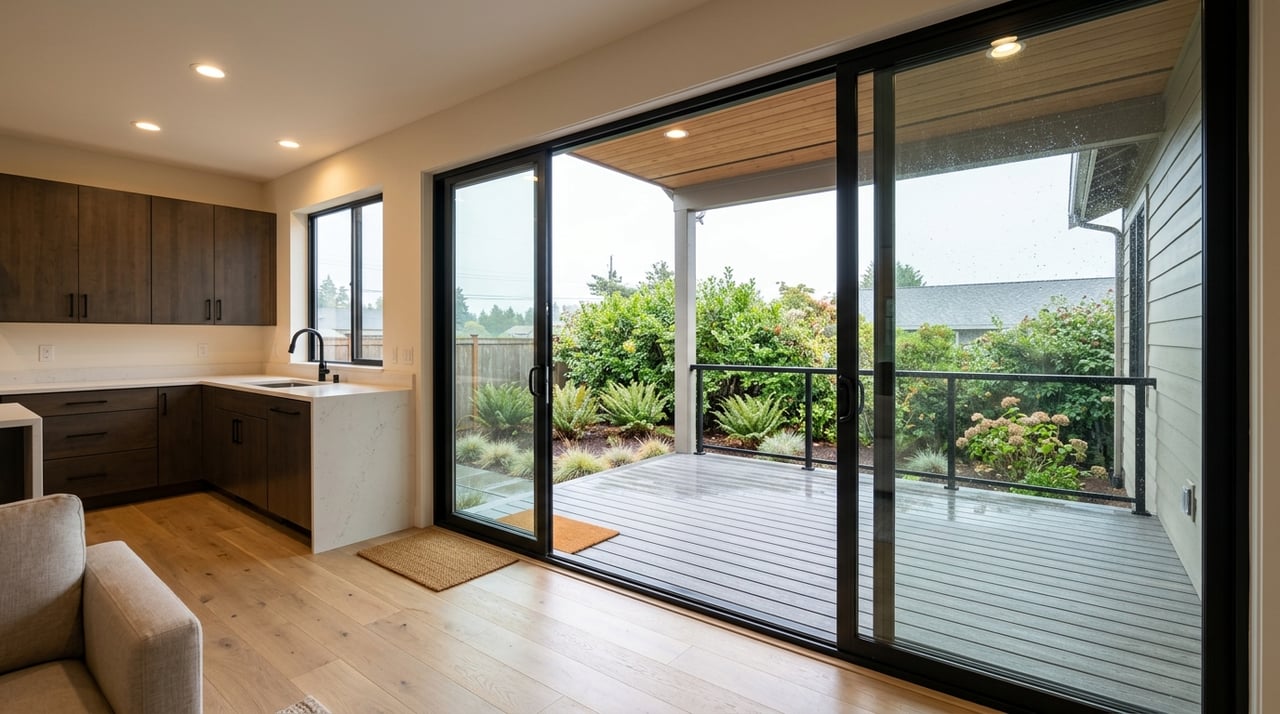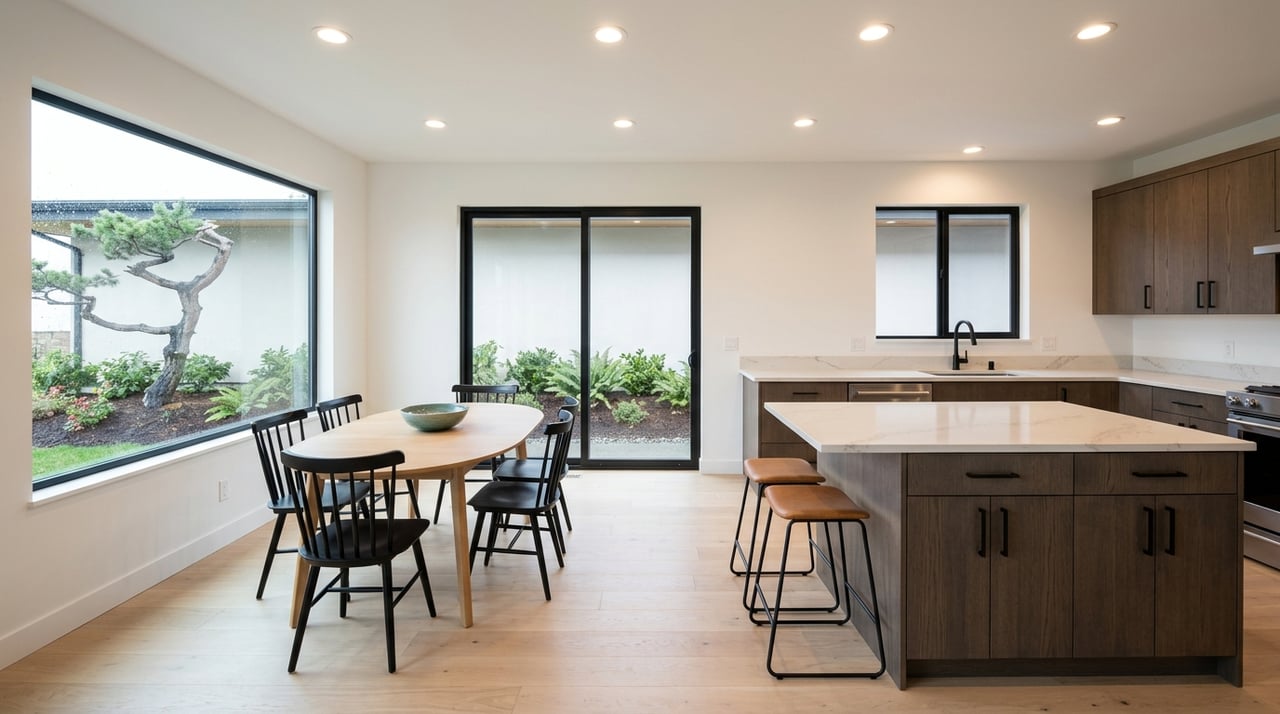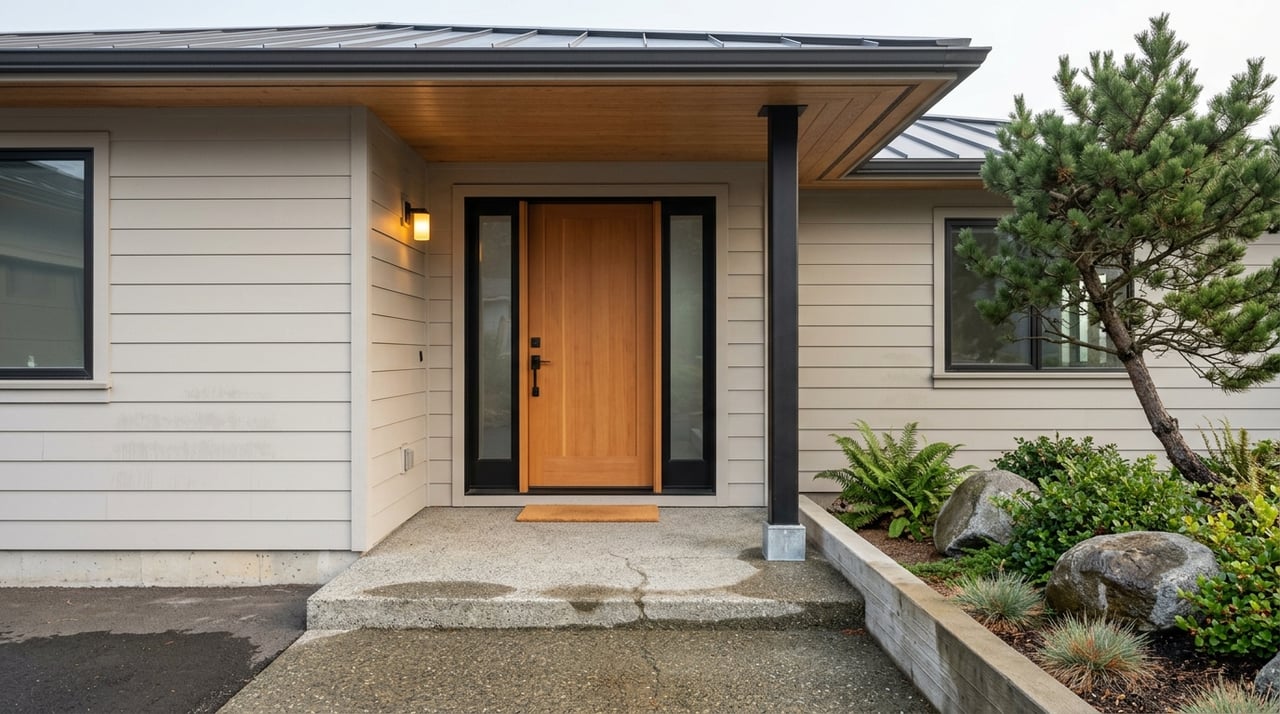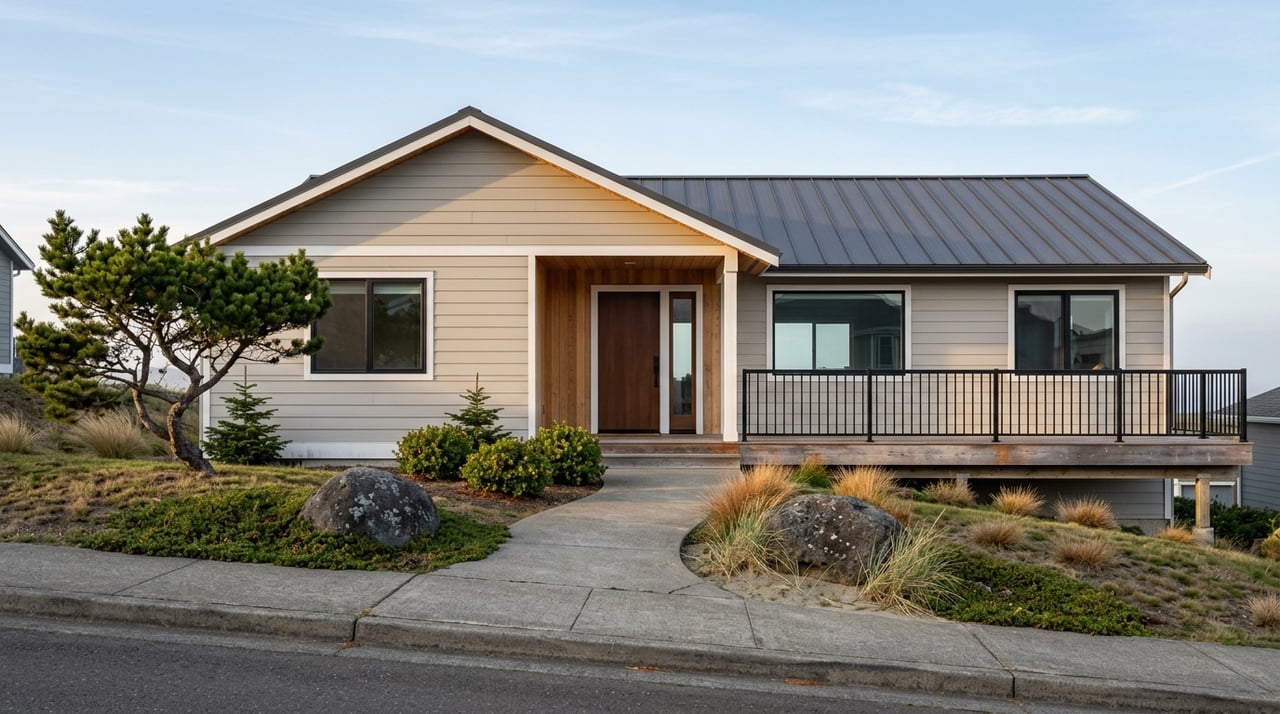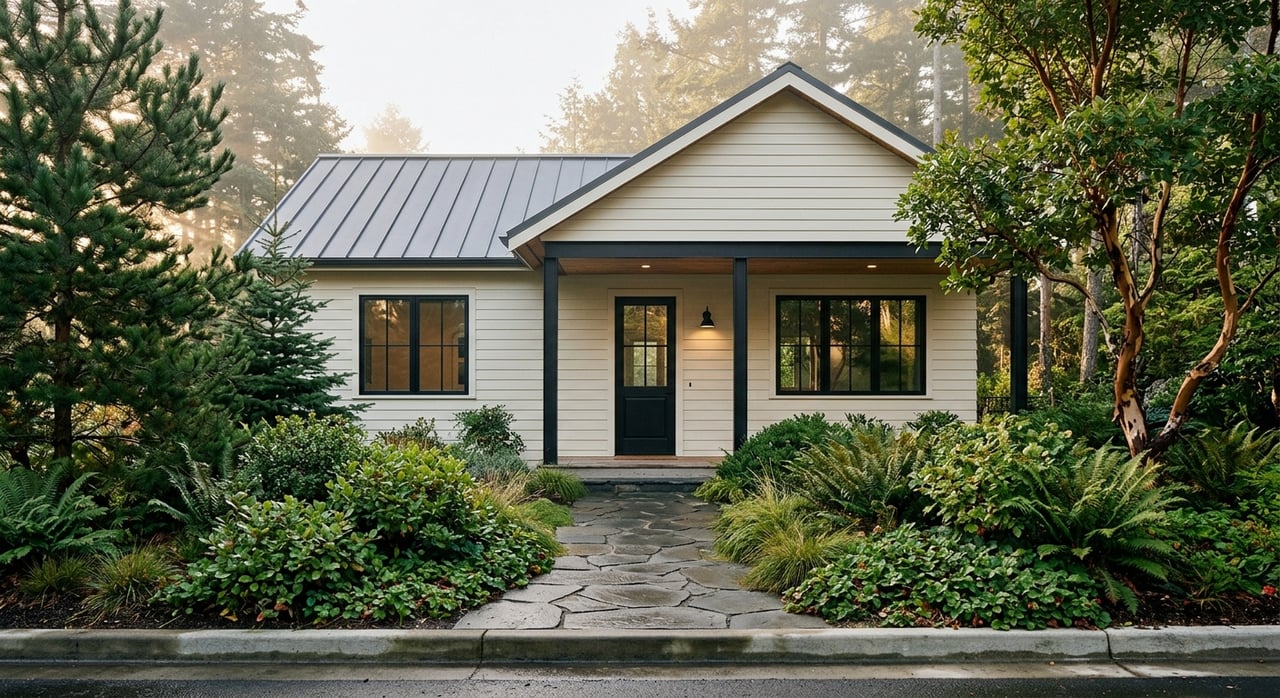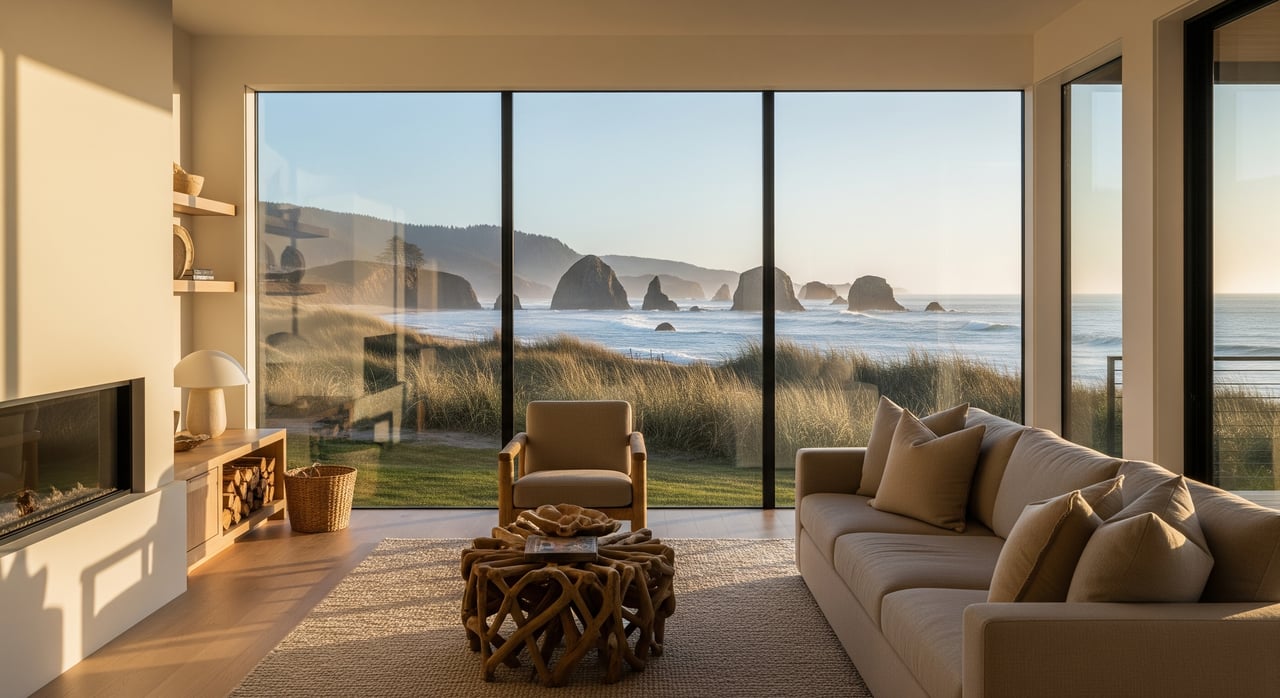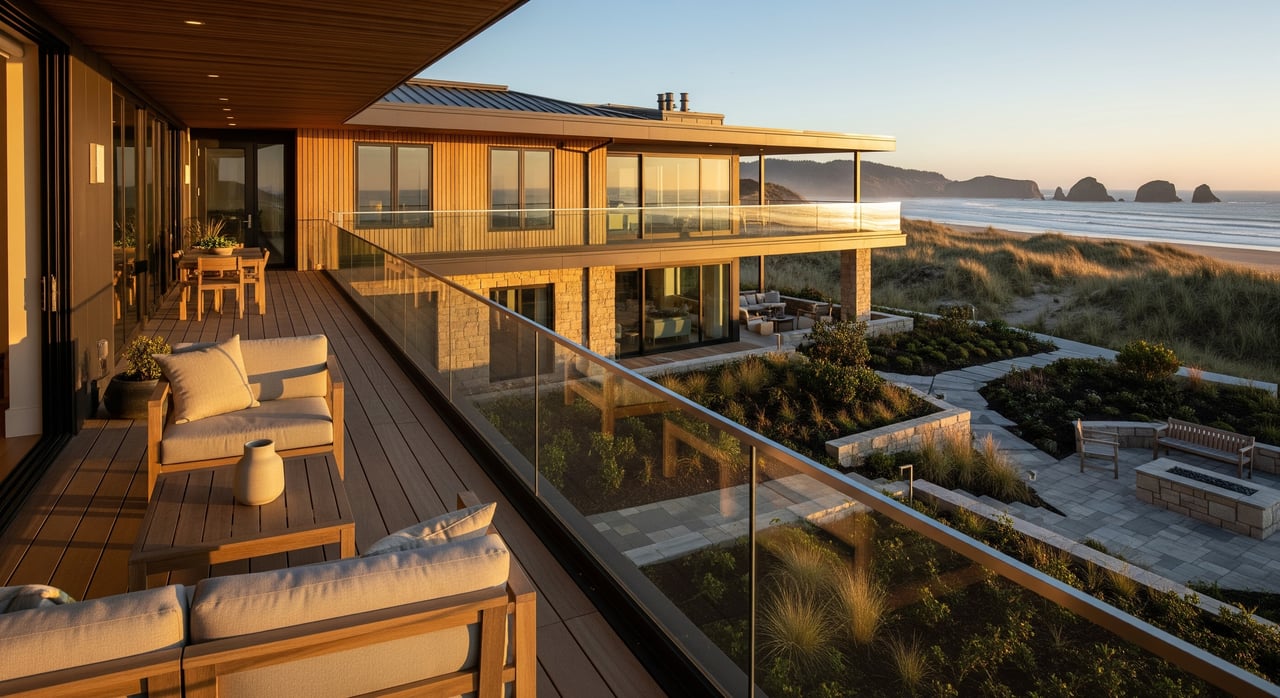
Thinking about moving exchange dollars to the coast? Brookings can be a compelling place to start, but a 1031 exchange here works best when you match the tax rules with the realities of a small coastal market. If you are considering Brookings as your base for a replacement property, you need more than a deadline checklist. You need a clear view of zoning, permitted uses, local compliance, and coastal risk before you commit. Let’s dive in.
Why Brookings stands out for a coastal exchange
Brookings is not a high-volume metro market, and that matters. The city had an estimated population of 6,493 in 2024, which points to a compact inventory base and a more limited pool of replacement options than you might find in a larger city.
That smaller scale is part of the appeal for many buyers and investors. Census data for 2020 to 2024 shows 26.5% of residents are 65 or older, the owner-occupied housing rate is 59.8%, the median value of owner-occupied homes is $446,700, and median gross rent is $1,415. Together, those numbers suggest a market shaped by both long-term ownership and an active rental base.
Brookings also sits in a tourism-influenced part of the Southern Oregon Coast. Census figures show $34.1 million in accommodation and food services sales and $181.97 million in retail sales in 2022, while the Oregon Coast Visitors Association identifies tourism as one of the leading economic drivers on the Oregon Coast. For you, that means Brookings may offer more than one demand story, depending on the property type and location.
Start with the 1031 ground rules
Before you focus on views, zoning maps, or income potential, the exchange itself has to be structured correctly. A 1031 exchange applies only to real property held for investment or productive use in a trade or business. A personal residence or property held primarily for sale does not qualify.
The timeline is one of the biggest pressure points. After the sale of your relinquished property, you generally have 45 days to identify replacement property and 180 days to receive it, or until the due date of your tax return for that year, including extensions, if that comes first.
The identification also has to be done correctly. The IRS requires a signed written identification delivered to the proper party, with the replacement property clearly described by street address or legal description.
Most exchanges also rely on a qualified intermediary. Under the IRS safe-harbor approach, the qualified intermediary helps acquire and transfer the properties while limiting your access to the exchange funds. If you receive or control the proceeds too early, part of the transaction can become taxable.
Identification rules matter in a small market
Brookings inventory can feel selective, especially if you want a property with a specific use, location, or zoning profile. That makes the IRS identification rules especially important here.
The IRS generally allows the three-property rule, the 200% rule, or in some cases the 95% rule. In practical terms, that gives you options, but in a market like Brookings, it is wise to identify properties with a realistic path to closing rather than chasing a concept that still needs major approvals.
What kinds of Brookings properties may fit
One reason Brookings can work for a 1031 exchange is that the city supports multiple land use categories. According to the city planning handbook, Brookings has 15 land use zones, including residential, commercial, mixed-use or professional office, industrial, public open space, and overlay areas.
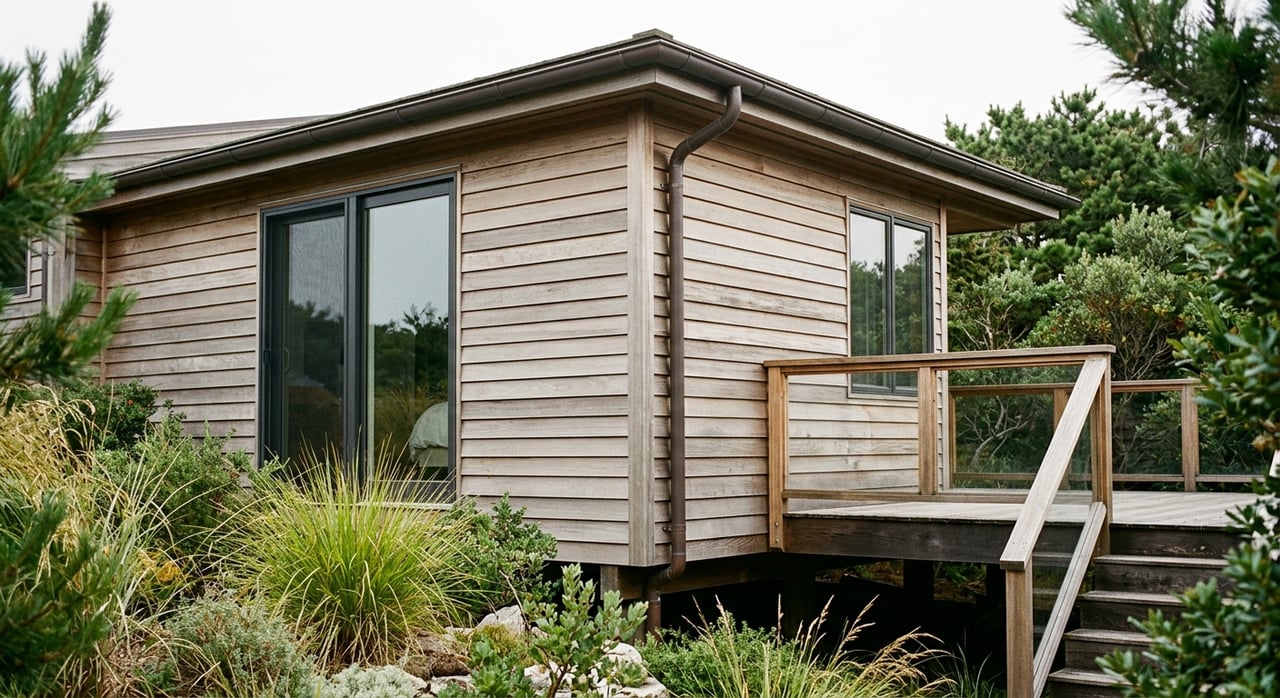
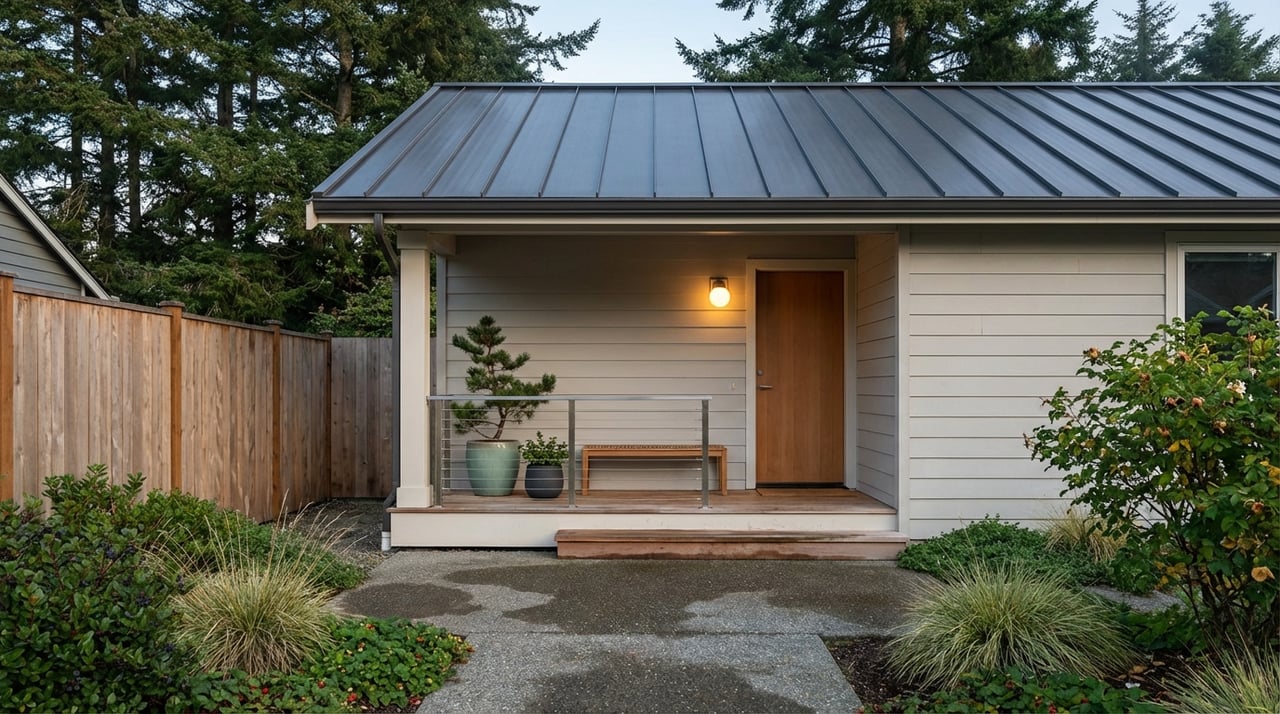
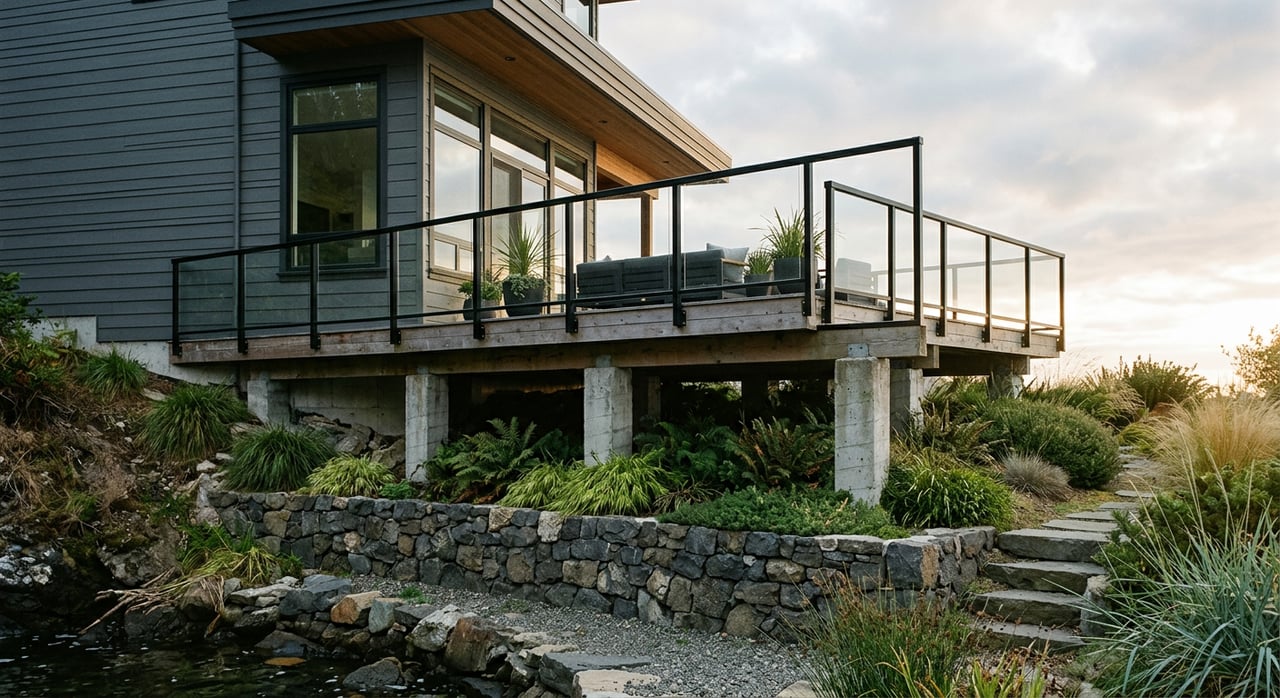
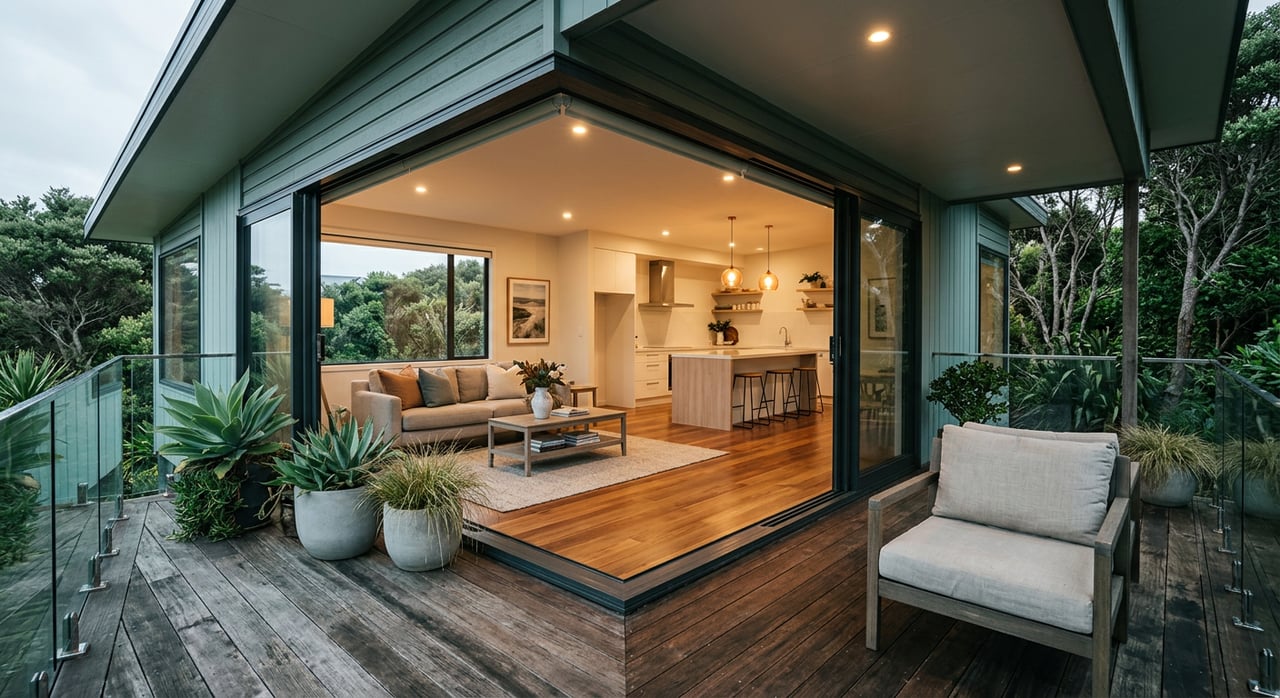
That broad framework opens the door to different replacement strategies. Depending on the zoning and property specifics, your target could be a residential rental, a mixed-use building, a tourist-oriented commercial asset, or a waterfront-adjacent property tied to port or river activity.
Mixed-use opportunities in C-3
Brookings' C-3 General Commercial district is especially worth a close look for exchange buyers who want flexibility. The city code says this district is intended to support a pedestrian-friendly mixture of commercial and residential uses.
The code allows existing residential uses, dwellings above the ground floor, retail and office uses, restaurants and bars, hotels and motels, and certain tourism-related light manufacturing when paired with retail sales. If you are looking for a property that blends income streams or gives you more than one path over time, this district may deserve extra attention.
Short-term rental potential needs verification
Brookings code also lists short-term rentals in existing single-family dwellings as a permitted use in C-3 when the applicable rules are met. That is notable because it suggests some short-term rental strategies may exist in the commercial core, not only in traditional residential settings.
Still, this is not a set-it-and-forget-it category. Brookings requires a business license to conduct business within city limits, and the city's forms show short-term rental registration, a conditional use permit requirement, annual fees, and yearly inspection obligations.
A city planning commission order also shows the type of operating conditions an owner may need to meet, including transient room tax compliance, a local representative within the Brookings Urban Growth Boundary, posted contact information, waste collection, and parking and occupancy limits. If your exchange depends on short-term rental use, confirm the current requirements before you remove contingencies.
Waterfront and port-adjacent uses
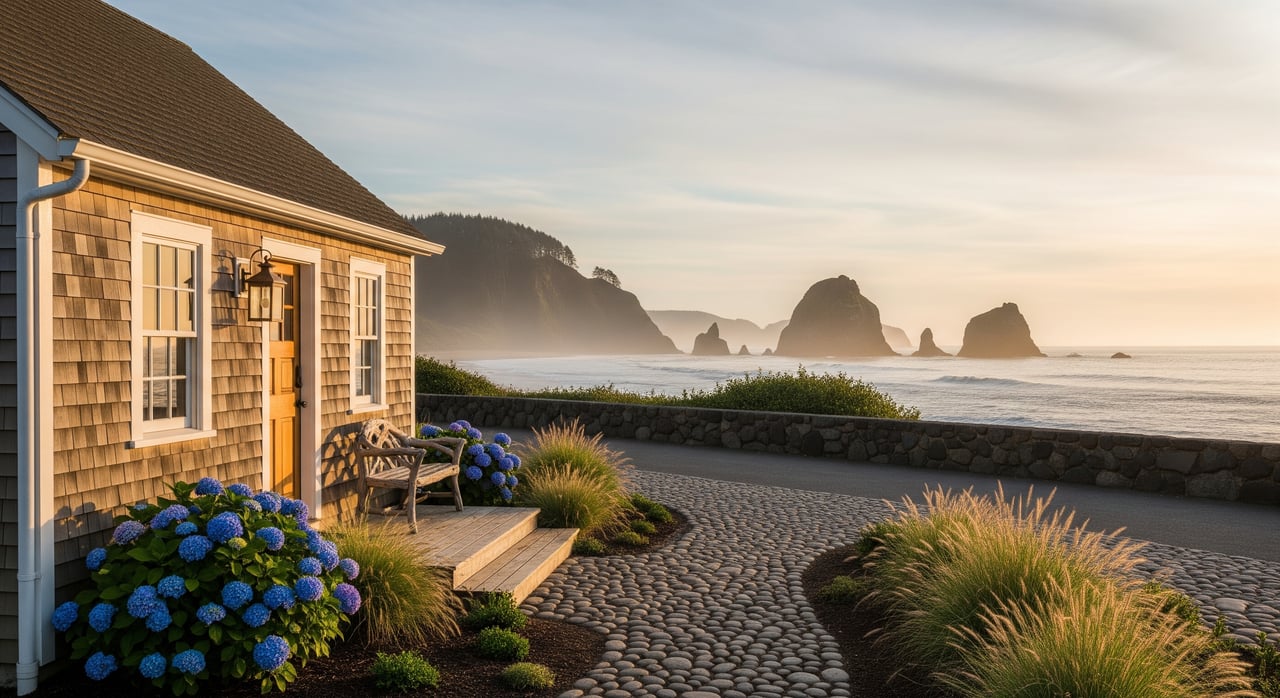
Brookings is not only a residential story. The city's Marine Activity district is designed for the Port of Brookings and shorelands along the Chetco River for commercial, industrial, and recreation activities that benefit from a waterfront location and support the tourist and fishing industries.
For the right buyer, that creates a different kind of replacement search. Instead of focusing only on homes or standard rentals, you may be evaluating assets where location, zoning, and operational use are tightly connected to the waterfront economy.
Why zoning should shape your shortlist
In a 1031 exchange, speed matters. But in Brookings, rushing past zoning and entitlement review can create problems that are much harder to fix later.
The city's planning materials explain that zoning determines what uses are allowed, and that a zone change or comprehensive plan change may be needed if a property is moving from one use category to another. That means the property you identify may not support your intended business plan today, even if the location seems perfect.
Ask these zoning questions early
Before you move forward on a Brookings replacement property, it helps to ask:
- What is the current zoning designation?
- Is your intended use allowed outright, conditionally allowed, or not allowed?
- Does the property already have the permits needed for that use?
- Will you need a conditional use permit, registration, or annual inspection?
- Are there operating requirements that could affect income or management?
- If the plan involves conversion or redevelopment, is a zone or plan change required?
These are not small details in a 1031 exchange. They can determine whether a property is truly replacement-ready within your deadline.
Coastal risk belongs in your underwriting
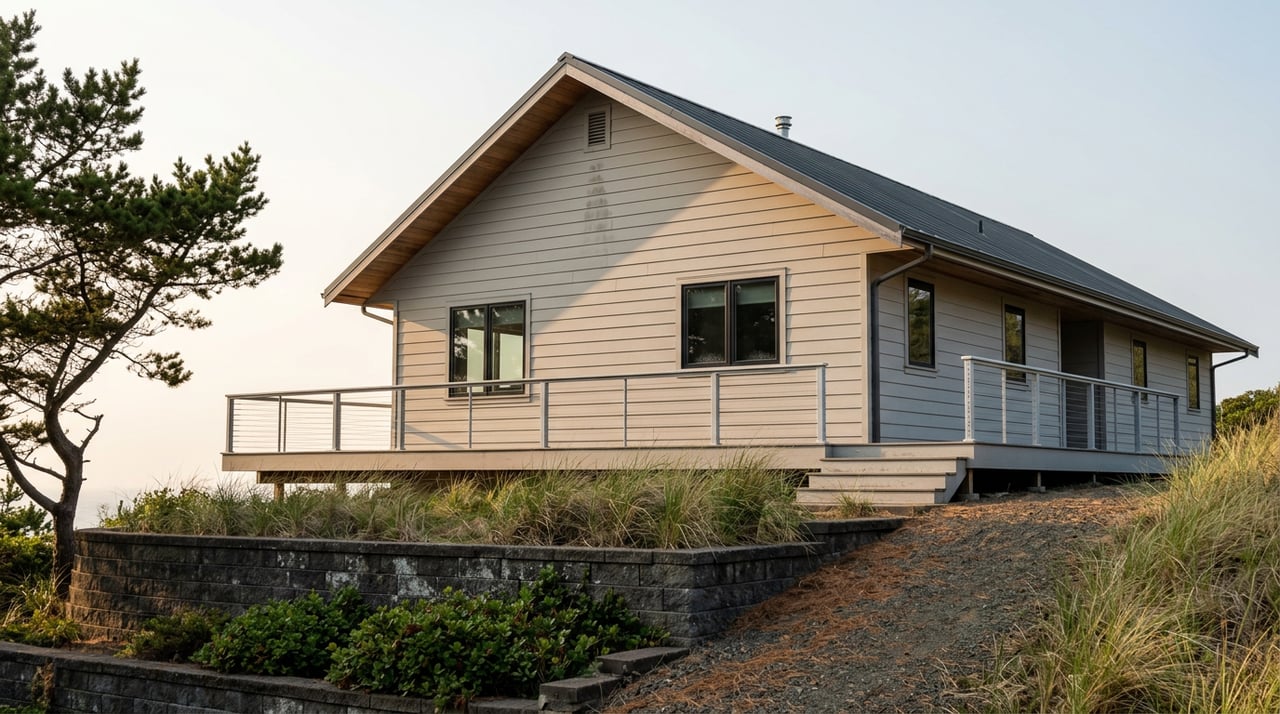
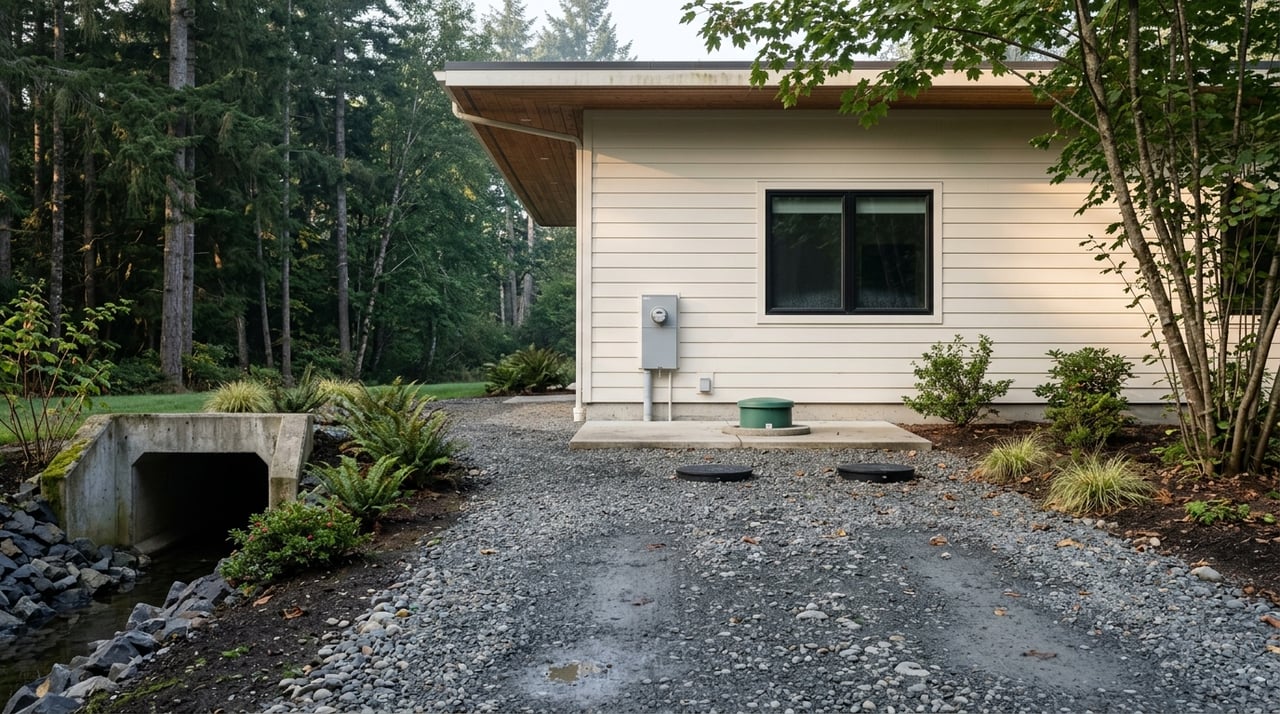
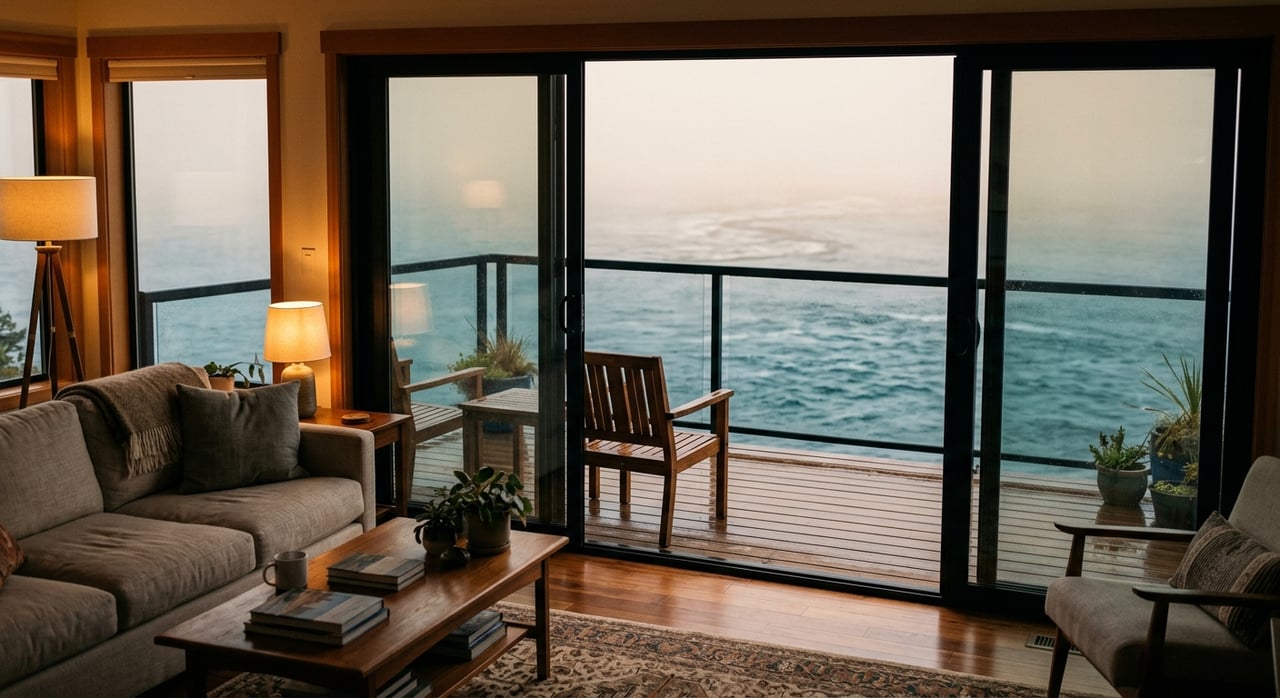
A Brookings address can carry strong lifestyle and tourism appeal, but coastal assets come with extra layers of due diligence. Curry County's hazard mitigation plan says coastal erosion occurs throughout the year and increases during winter months. The same plan identifies shoreline retreat, storm-driven erosion, tidal flooding, stormwater flooding, and tsunami education and evacuation planning as active concerns for coastal development.
For you, that means ocean-adjacent or river-adjacent property should be reviewed with a wider lens. Insurance, maintenance, reserves, long-term resilience, and exit strategy may all look different here than they would for an inland replacement property.
A practical due diligence lens
As you evaluate Brookings opportunities, focus on the basics that affect day-one ownership and long-term hold quality:
- Zoning and permitted use
- Existing permits and licenses
- Inspection and annual compliance requirements
- Physical exposure to erosion or flooding
- Access, parking, and operational constraints
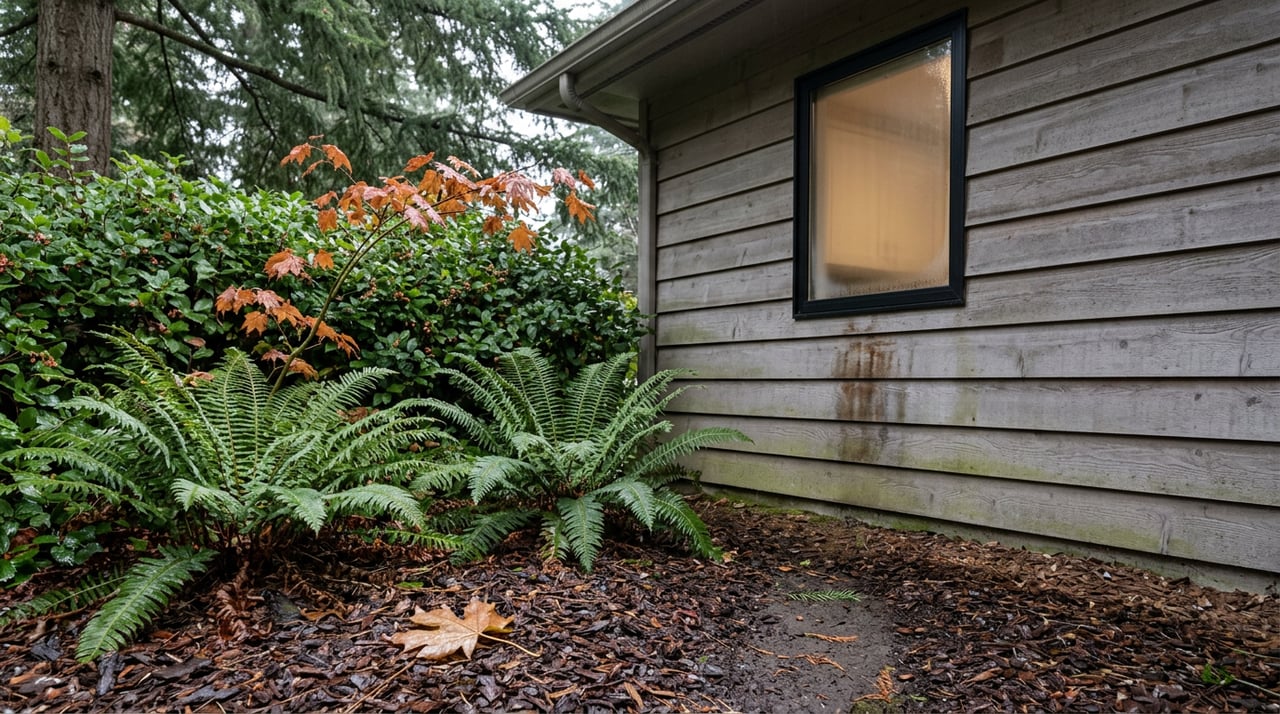
- Maintenance demands tied to salt air and coastal weather
- Resale liquidity in a smaller market
The goal is not to avoid coastal property. The goal is to price risk clearly and choose a property that still makes sense after the romance of the coastline wears off.
How to use Brookings as a 1031 base
For many exchange buyers, Brookings works best as a base when you view it as a focused, place-driven market rather than a broad one-size-fits-all investment pool. The strongest candidates are often the properties where use, zoning, and local demand already line up.
That could mean a residential rental in the right location, a mixed-use building in the commercial core, or a waterfront-oriented asset with a clear permitted use. What matters most is not chasing every possibility. It is narrowing your search to properties that fit both the federal exchange timeline and Brookings' local rules.
A smart Brookings exchange strategy
If you are considering a 1031 exchange into Brookings, keep your strategy simple and disciplined:
- Confirm your exchange structure and deadlines early.
- Work with a qualified intermediary before closing on the relinquished property.
- Build a shortlist that reflects Brookings' smaller inventory base.
- Verify zoning and permits before relying on projected use.
- Underwrite coastal risk conservatively.
- Focus on properties with a realistic path to closing inside the exchange window.
That approach helps you protect both sides of the equation. You preserve the exchange mechanics while also buying with local awareness.
Brookings can offer a distinctive coastal foothold for the right 1031 buyer. Its mix of residential demand, tourism influence, mixed-use options, and waterfront activity creates real opportunity, but only when you pair that opportunity with careful review. If you want local insight on Brookings, Harbor, and the Southern Oregon Coast, connect with Pacifica at Rogue Reef Project for a grounded, property-specific conversation.
FAQs
What makes Brookings, Oregon a potential 1031 exchange market?
- Brookings offers a small coastal market with residential demand, tourism influence, mixed-use zoning options, and waterfront-oriented property opportunities that may appeal to some exchange buyers.
What 1031 exchange deadlines apply when buying in Brookings?
- In general, you must identify replacement property within 45 days after transferring the relinquished property and receive the replacement property within 180 days, or by the due date of your tax return including extensions if earlier.
What Brookings zoning districts matter most for exchange buyers?
- The C-3 General Commercial district and the Marine Activity district are especially relevant because they can support mixed-use, tourism-related, commercial, and waterfront-linked uses, depending on the property.
What should you verify before buying a Brookings short-term rental property?
- You should verify current zoning, short-term rental eligibility, conditional use permit requirements, registration, business licensing, annual fees, inspections, and any local operating conditions that apply.
What coastal risks should you review before exchanging into Brookings property?
- You should review exposure to coastal erosion, shoreline retreat, storm-driven erosion, tidal or stormwater flooding, and broader resilience considerations that may affect insurance, maintenance, and long-term ownership.
Why is local due diligence important for a Brookings 1031 exchange?
- Local due diligence matters because a property's zoning, permit status, and coastal risk profile can affect whether it truly fits your intended use and can close smoothly within the exchange timeline.