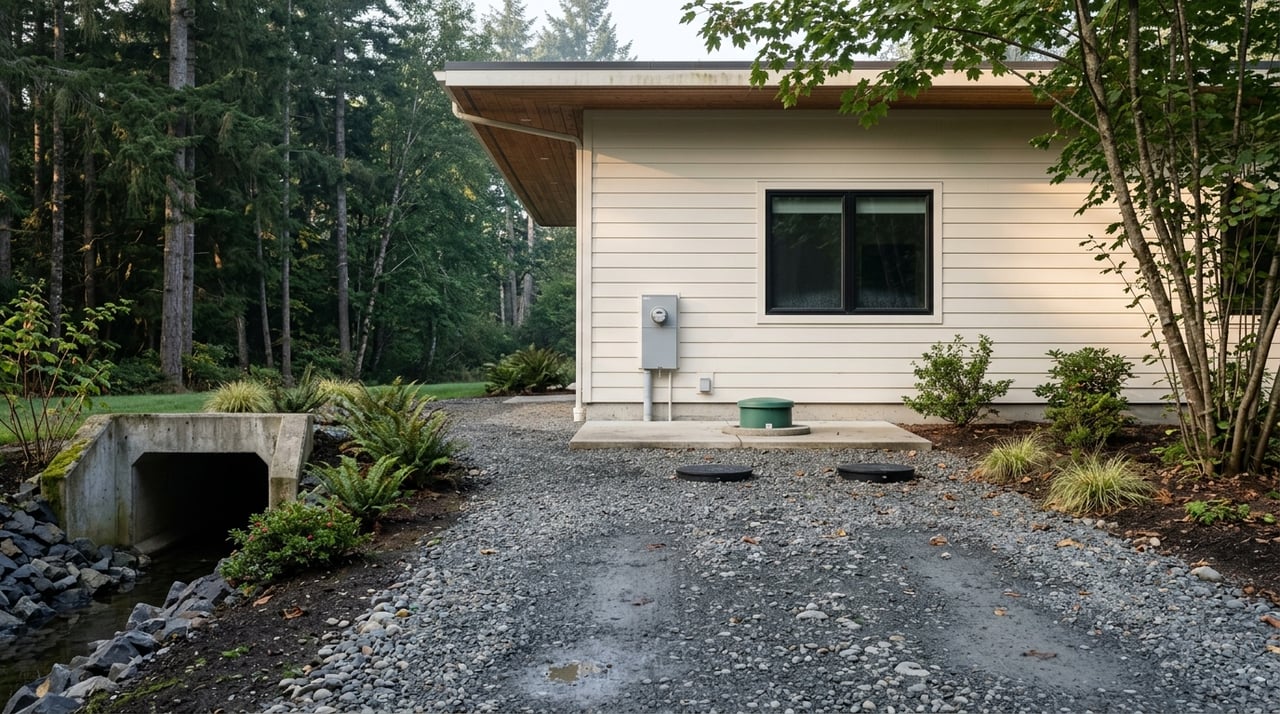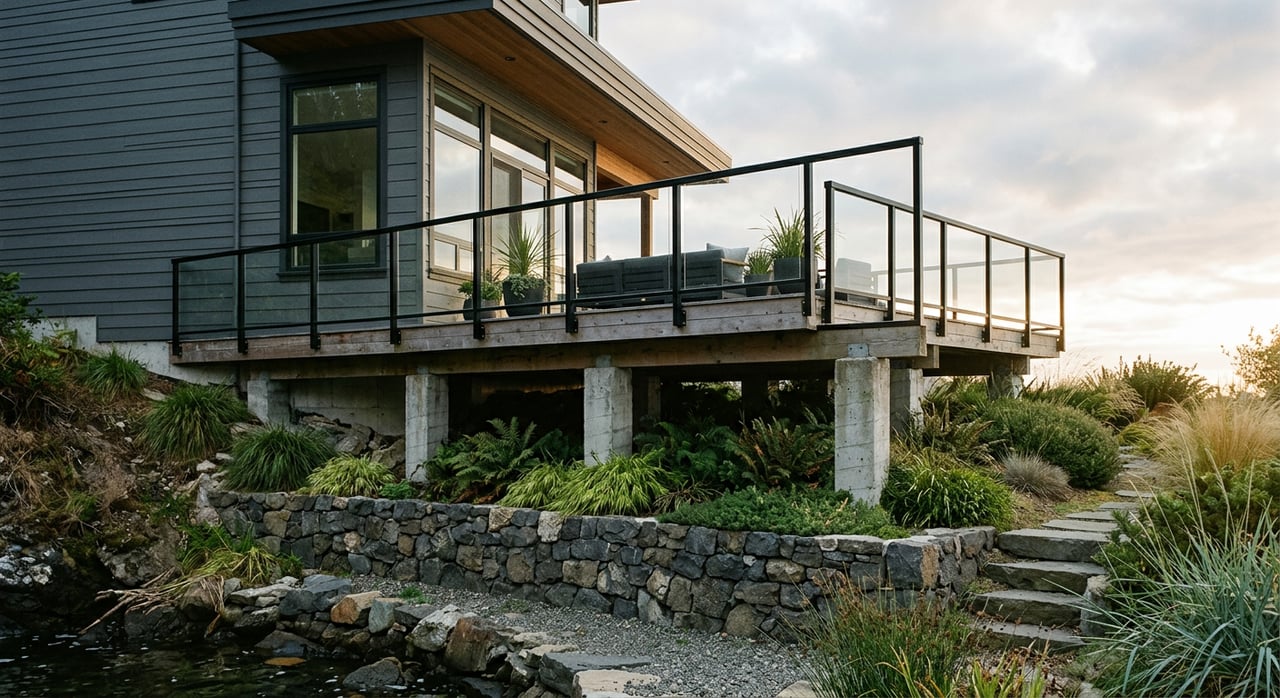
Buying land in Bandon can feel simple at first glance. You see a beautiful parcel, imagine your future home, and start sketching ideas in your head. But on the Southern Oregon coast, a lot that looks buildable on a listing sheet can come with layers of city, county, utility, and coastal-hazard rules. If you want to shop smarter and avoid expensive surprises, you need to know what to check before you make an offer. Let’s dive in.
Start With Jurisdiction
The first question to answer is whether the parcel is inside the City of Bandon or in unincorporated Coos County. That single detail shapes who handles planning questions and what review process applies.
Inside Bandon city limits, development requires a zoning compliance application through the city. Outside city limits, Coos County handles land-use questions for unincorporated areas. If you get this wrong early, you can waste time researching the wrong rules.
Confirm It Is a Legal Lot
One of the biggest mistakes land buyers make is assuming a tax lot is the same as a legal buildable lot. In Coos County, that is not always the case.
The county states that a legal lot must be created in compliance with state and county land-use law. A deed or contract alone does not necessarily create a legal lot, and a tax map does not prove buildability by itself. Before you move forward, review the recorded plat or legal description and confirm the parcel is a lawfully established unit of land.
Check Zoning and Overlay Rules
After jurisdiction and legal lot status, the next step is understanding the parcel’s zoning. That means more than reading a base zone label on a flyer.
In Bandon, a parcel may also be affected by overlay protections for shorelands, beaches and dunes, hazards, wetlands, riparian corridors, and architectural review. In the county around Bandon, zoning can include urban residential, rural residential, and controlled-development designations. A lot may look straightforward until those extra layers are mapped correctly.
Questions to Ask Early
- Is the lot inside city limits or under county jurisdiction?
- Is it a legal lot, not just a tax lot?
- What is the base zone?
- Are there any overlays or special review areas?
Understand Utility Options Early
Your building plans will only go as far as your utility path allows. In Bandon, utility questions should be part of your first-round due diligence, not something you save for later.
Inside the city, confirm water and sewer availability right away. The city also notes that system development charges must be paid before zoning compliance is released, and construction activity in the city right-of-way requires a public works permit. That means connection costs and possible street-work obligations belong in your budget from day one.
Outside city service, septic and water become major feasibility items. Coos County directs buyers to check with DEQ for septic feasibility and with OWRD for wells and water sources unless the parcel is served by a water district or sewer service area.
Rural Utility Risks to Screen
- Has the site ever been evaluated for septic approval?
- Are soil, slope, or groundwater conditions likely to require an alternative septic system?
- Is there enough usable area for an onsite system?
- Will the property rely on a well or another approved water source?
DEQ requires a site evaluation when you plan to build a new house on undeveloped property that has never been evaluated for septic approval. Some sites may need alternative systems, and some may not be suitable for onsite septic at all.
Verify Access Before You Fall in Love
Access can make or break a land purchase. A parcel may have a great view and a reasonable price, but if legal or practical access is limited, your project can stall fast.
You should confirm recorded access, easements, and driveway feasibility early. If the parcel fronts a state highway, ODOT requires a highway approach permit before constructing a new driveway connection or changing the use of an existing one.
That means location, sight distance, and the actual usability of the access route matter. If a lot depends on a private road or a highway connection, do not treat that as a minor detail.
Coastal Hazards Matter in Bandon
In Bandon, coastal hazards are not just background information. They are central to how land is reviewed and whether development may be limited.
Bandon’s development framework includes coastal shoreland rules and beaches-and-dunes regulations. The city’s beaches-and-dunes overlay identifies areas subject to potential ocean flooding, ocean overtopping, and wave undercutting.
For many buyers, the most important takeaway is simple: not every ocean-edge parcel is a straightforward homesite. In Bandon’s beaches-and-dunes overlay, residential developments and commercial or industrial buildings are prohibited within the overlay. Other development may be allowed only if it is adequately protected from geologic hazards, wind erosion, undercutting, ocean flooding, and storm waves while minimizing erosion and environmental impacts.
Hazard Overlay Review
Some parcels may also trigger geologic-report requirements. Bandon’s code states that new construction must be limited to the recommendations in the geologic report, and oceanfront development under that review generally must be set back at least 25 feet from the top of the bank, or farther if the report requires it.
The city also notes that owners should consider construction techniques that allow buildings to be movable if relocation becomes necessary. In some cases, the site must have access wide and graded enough to allow a building to be relocated or dismantled.
Screen Flood, Wetland, and Tsunami Concerns
A buildable lot is not just about size and zoning. The amount of usable building area can shrink quickly if flood-prone ground, wetlands, or riparian protections are present.
Bandon’s code includes wetland protection standards and riparian corridor protections. The city’s planning materials also reference floodplain development review and geologic assessment exemptions for some dune-development situations. If a parcel touches mapped wetlands, creek corridors, or flood-prone areas, screen those issues before you invest in design work.
Tsunami risk also deserves serious attention in this part of the coast. DOGAMI notes that no location on the Oregon coast is immune to coastal hazards, and low-lying areas, estuary mouths, and tidal flats face the greatest tsunami danger. For Bandon buyers, that makes tsunami mapping part of practical site screening, not just emergency planning.
Know the Likely Permit Path
If the lot is inside the city, Bandon’s packet shows a fairly clear starting point. The process begins with zoning compliance through the planning department.
Once zoning compliance is approved and stamped, plans are then submitted to the State Building Codes Division office in Coos Bay if a building permit is required. The city also states that zoning compliance approval is valid for one year.
If the lot is in the county, the process is more spread out. Coos County’s building department handles structural, plumbing, electrical, and mechanical permitting for most of the county, while planning, septic, water, and access questions may involve different agencies. In other words, rural land buyers should expect a coordinated due-diligence process rather than a one-stop permit counter.
A Smart Bandon Lot Checklist
If you want to shop for land with confidence, keep your due diligence focused on the issues that matter most in Bandon.
Core Items to Confirm
- Legal lot status
- City or county jurisdiction
- Base zoning and overlays
- Water and sewer availability, or well and septic feasibility
- Recorded access and driveway feasibility
- Flood, tsunami, wetland, beach-and-dune, and hazard screening
- Any likely need for geologic reports, septic redesign, or right-of-way work
The best parcels are usually the ones where those answers are already becoming clear before closing. That does not guarantee a simple build, but it can dramatically reduce the risk of delays, redesigns, and unexpected costs.
Why Local Guidance Helps
Shopping for land in Bandon is part vision and part verification. You may be buying for a custom home, a retirement move, a second home, or a longer-term investment, but the process works best when you balance excitement with careful local research.
That is especially true on the Southern Oregon coast, where coastal character and development rules go hand in hand. A well-chosen lot is not just attractive on paper. It is a parcel with a clear path on jurisdiction, legal status, access, utilities, and site constraints.
If you are exploring land or homesites in Bandon and want a clear, local perspective on what to check before you commit, connect with Pacifica at Rogue Reef Project for thoughtful guidance rooted in Southern Oregon coastal real estate.
FAQs
What should you verify first when buying land in Bandon?
- Start by confirming whether the parcel is inside the City of Bandon or in unincorporated Coos County, then verify that it is a legal lot and not just a tax lot.
What does legal lot status mean for a Bandon land purchase?
- In Coos County, legal lot status means the parcel was created in compliance with land-use law, and a deed, contract, or tax map alone does not necessarily prove the lot is buildable.
What utilities should you check on a Bandon lot?
- You should verify whether the parcel has access to city water and sewer or whether it will need well and septic review, along with any related connection costs or site-evaluation requirements.
Why are coastal hazards important when shopping for land in Bandon?
- Coastal hazards matter because some parcels may be affected by beach-and-dune, flood, wetland, riparian, tsunami, or geologic-hazard review that can limit where and how development can occur.
What access issues can affect a Bandon land purchase?
- You should confirm recorded access, easements, and driveway feasibility, especially if the parcel depends on a private road or fronts a state highway that may require an ODOT approach permit.
What is the first permit step for building inside Bandon city limits?
- For lots inside the city, the process starts with zoning compliance through the City of Bandon before plans move on for building-permit review if required.