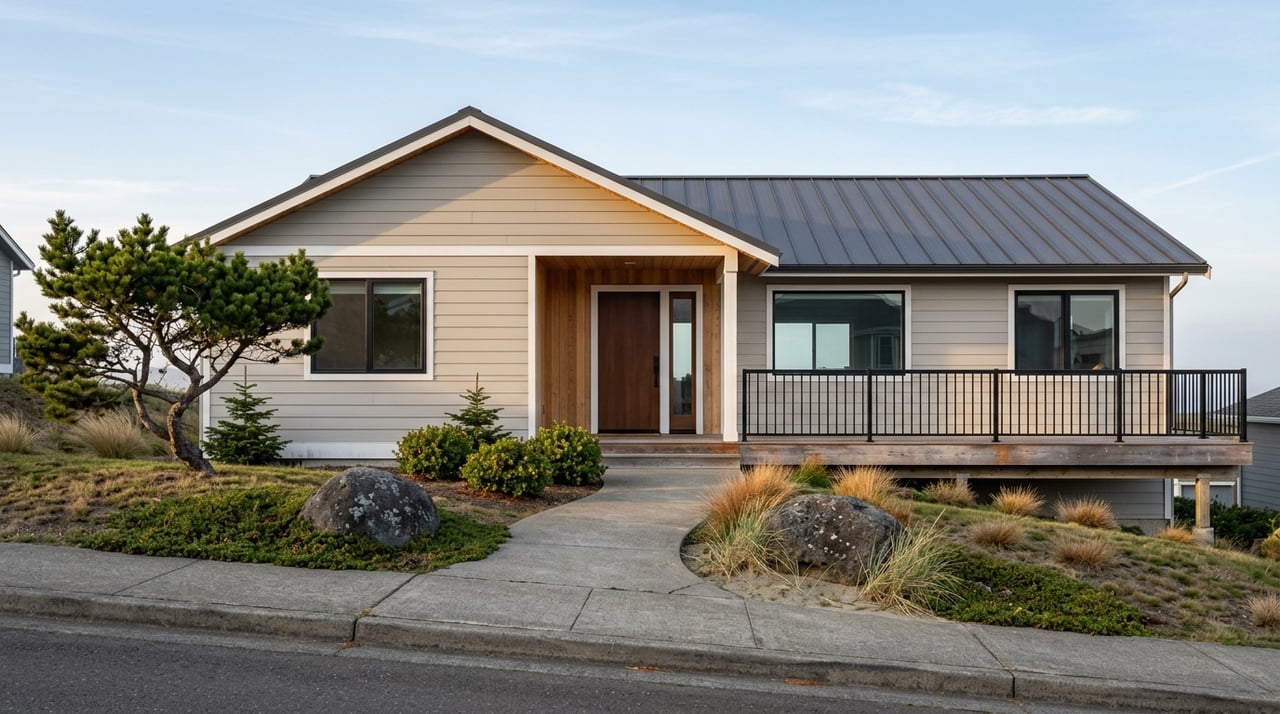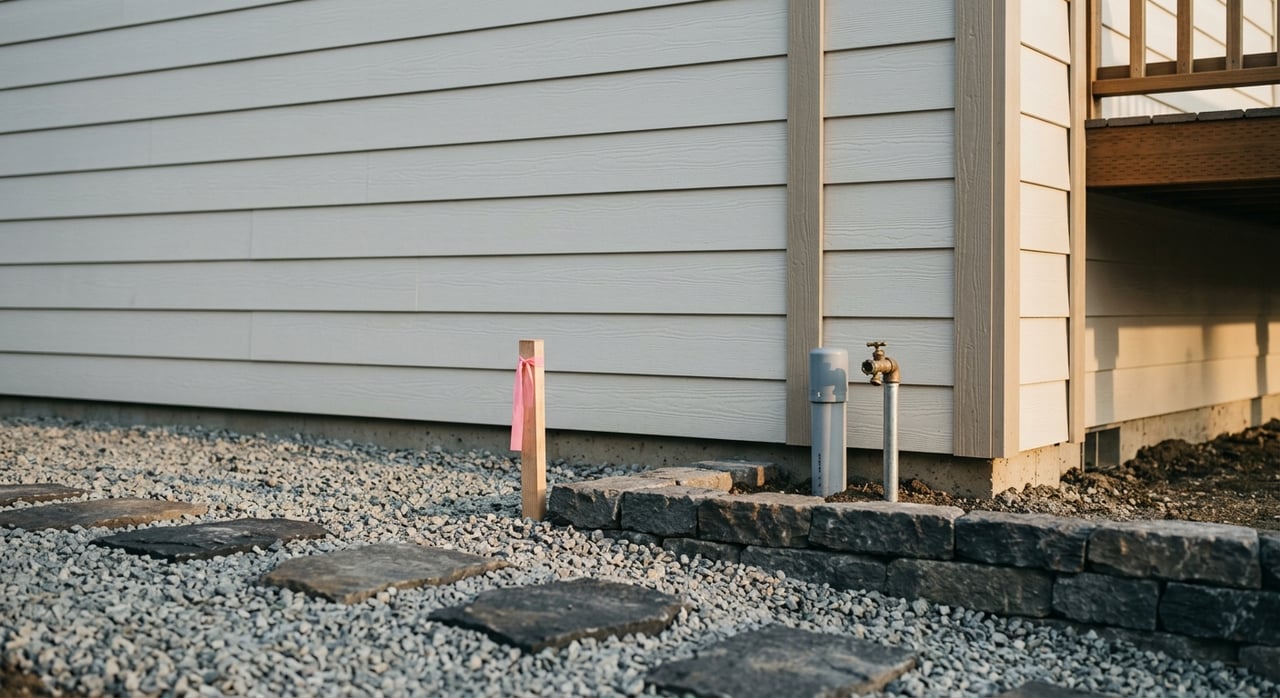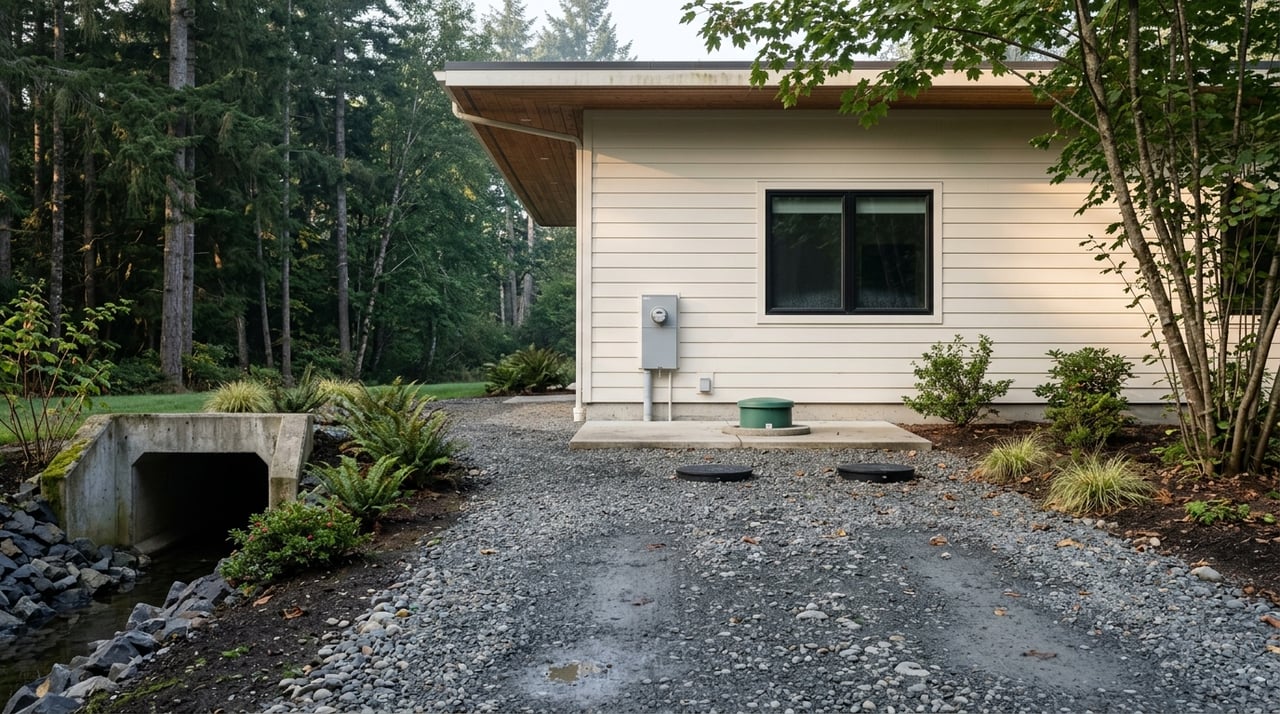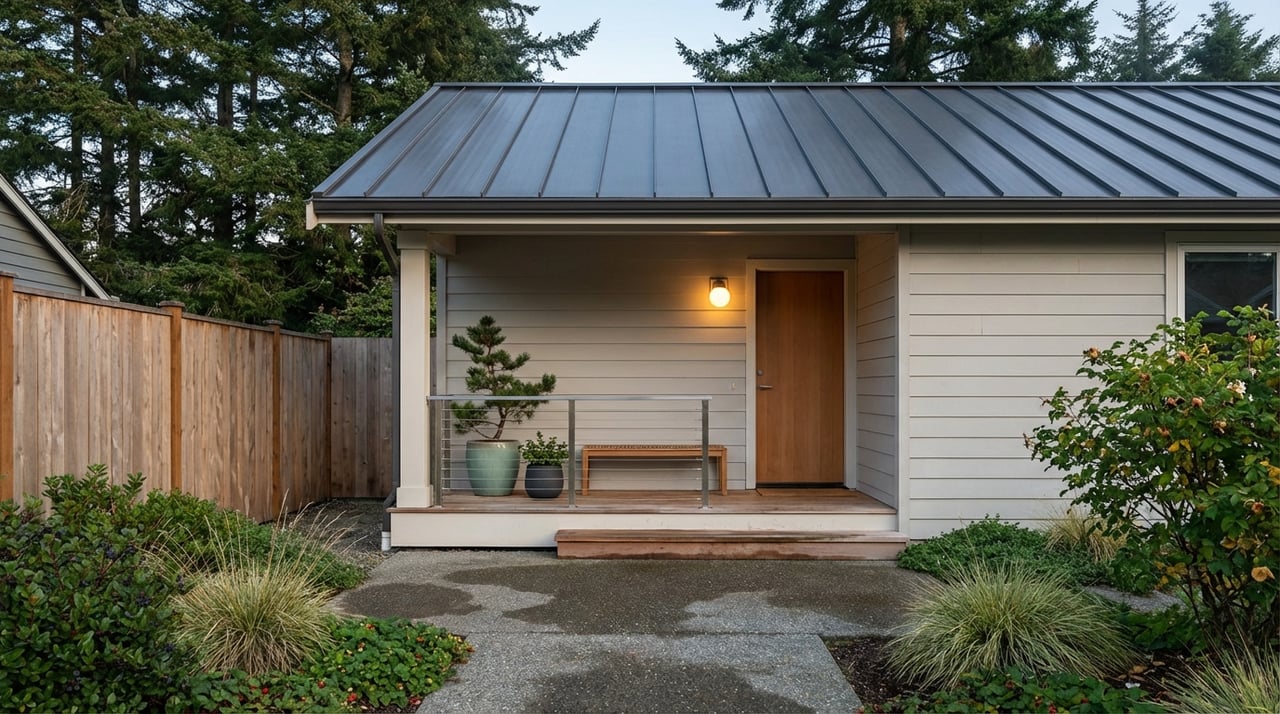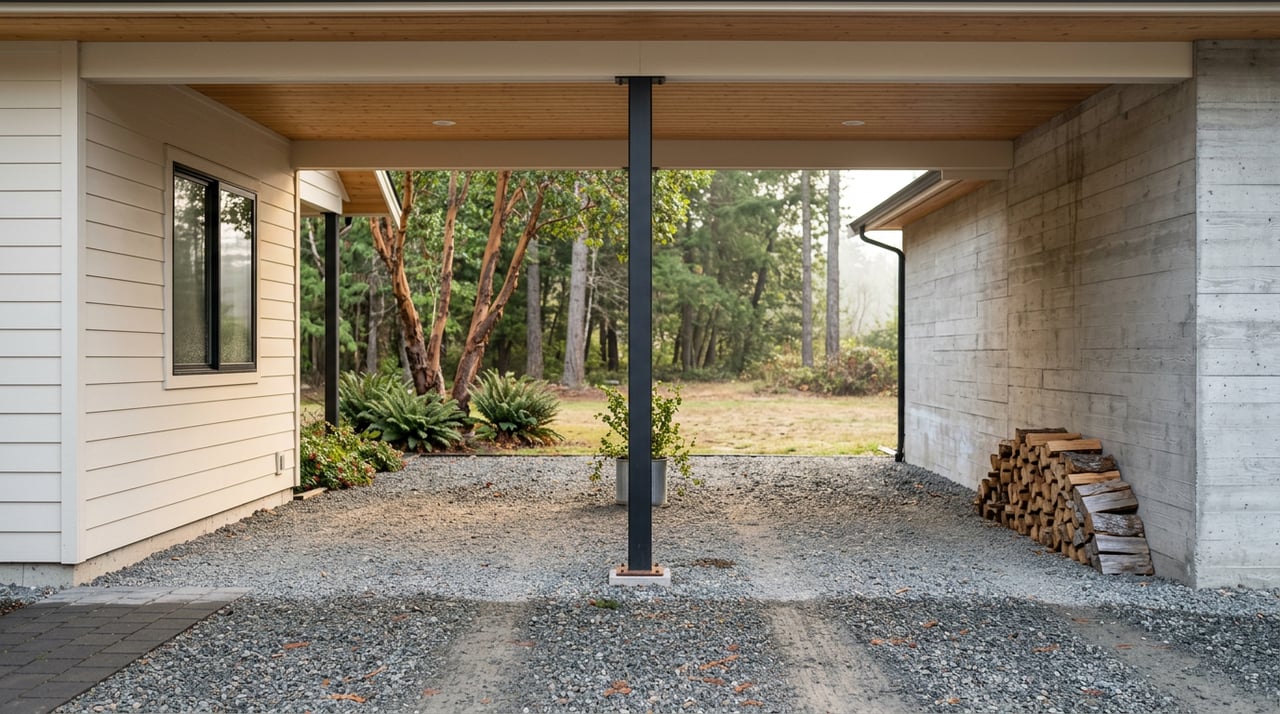
A buyer finds a five-acre parcel outside Gold Beach with a river view, room for a shop, and a price that finally works. The listing agent mentions the well is already in and septic feasibility is approved. Everything sounds finished. Then someone asks who actually issues the septic permit, and the answer surprises almost every out-of-area buyer: it is not Curry County anymore. It is the state.
That single handoff, quiet as it sounds, is the hinge this whole piece turns on. If you are buying acreage, building on your own lot, or selling a home that has never touched a city sewer line anywhere near Gold Beach, the county-versus-state split changes who you call, how long approval takes, and where a deal can stall without anyone doing anything wrong.
The One Call You Can't Make Anymore
For years, county planning departments across Oregon handled septic permitting locally. That is no longer true in Curry County. The Oregon Department of Environmental Quality now manages the onsite septic program directly, which means the person who signs off on a new system, a repair, or a site evaluation works out of DEQ's Medford office, not the county building on the coast.
Curry County still plays a role, but it is a narrower one. Before DEQ will act, the county's Community Development Department requires a Planning Clearance Packet that includes a Land Use Compatibility Statement, commonly shortened to a LUCS, along with a DEQ Statement of Understanding. Minor repairs skip the LUCS requirement. New construction and major alterations do not. A site evaluation, meanwhile, goes straight to DEQ with no county step in between.
The practical effect is that a septic decision on a Gold Beach parcel routes through two different agencies depending on what stage the property is at, and neither one moves on the other's schedule. A buyer who assumes one phone call settles everything usually finds out otherwise sometime around the middle of escrow.
Why Curry County Listings Keep Mentioning This Anyway
If you spend time in land listings around Gold Beach, you notice a pattern that has nothing to do with staging or curb appeal. Sellers and their agents keep volunteering septic and well specifics that buyers in a city would never think to ask about: gallons-per-minute output on a well, whether septic feasibility has already been approved, whether a shared well easement exists between two parcels.
That language shows up because it has to. A parcel with an approved septic feasibility report and a documented well flow rate is meaningfully closer to buildable than one without, and everyone in this market has learned to say so upfront. It is also a signal worth reading correctly: "septic approval on file" means the diligence has already cleared the DEQ and county steps described above. "Septic feasibility complete" usually means an evaluation has happened but the full permit is not yet in hand. Those are not interchangeable phrases, and treating them as the same thing is how a buyer ends up surprised by a six-week wait they did not budget for.
Two Very Different Timelines
The process looks different depending on whether you are buying a home with a septic system already installed and functioning, or buying raw land where a system still needs to be designed and approved.
| Existing home, working septic | Vacant land, new septic needed | |
|---|---|---|
| Who you contact first | Seller's disclosure covers system age and service history | Curry County Community Development for the Planning Clearance Packet |
| Key document | Existing System Evaluation Report, if requested | Land Use Compatibility Statement plus DEQ Statement of Understanding |
| Approving agency | DEQ, if a transfer evaluation is required | DEQ Medford office for the site evaluation and final permit |
| Typical friction point | Age or service gaps the seller may not fully know | Timeline uncertainty between county sign-off and DEQ scheduling |
An existing, working septic system on a home sale is usually the lighter lift. The heavier lift sits with vacant acreage, where the county and state steps stack in sequence rather than running in parallel. That sequencing is exactly why the smart move on raw land near Gold Beach is confirming septic feasibility before you are deep into a purchase agreement, not after.
The Disclosure Form Doesn't Care How Charming the Property Is
Septic is only half of the diligence picture. The other half is Oregon's Seller's Property Disclosure Statement, which state law requires for essentially every residential sale, including houses, condos, and manufactured homes. The form is standardized under Oregon Revised Statutes 105.464 and 105.465, and it asks direct yes-or-no questions across categories that matter most in a rural coastal market: water source and sewage system, structural condition, title and easements, and any HOA or shared-common-area obligations.
The standard is what a seller actually knows, not a guarantee that nothing is wrong. Sellers are not required to hire an inspector before filling it out. They are required to answer honestly based on their own observations and records.
The form also ends with a question that trips people up more than any other: a final catch-all asking whether any other material defect exists that could affect the property or its value. Unlike most of the form, this question has no "unknown" option. It has to be answered yes or no, and a yes requires an explanation. For a property with a decades-old septic system, a shared well arrangement, or an easement that was never formally recorded, that question is where a lot of honest conversations start.
The Five Days That Can Reopen a Deal
Here is the part that surprises buyers and sellers equally: once the disclosure statement is delivered, the buyer has five business days to revoke the offer, in writing, even after signing a purchase agreement. If the seller never delivers a completed disclosure at all, that revocation right does not simply expire. It continues until the statute says it terminates, and in practice that can stretch all the way to closing.
For a Gold Beach transaction where septic history, well capacity, or an old easement only surfaces after the disclosure form lands in the buyer's hands, that five-day window is the real deadline that matters, more than any date written into the purchase agreement itself. Sellers who complete the form early and completely close that window fast. Sellers who wait, or who leave gaps because they assumed a fact wasn't worth mentioning, keep the door open longer than they probably intended.
What This Means If You're Looking at Land Near Rogue Reef
None of this is unique to any one parcel. It applies just as much to a resale home in town on city water as it does to acreage further out where a well and septic system are simply how the property functions, including land in and around the Rogue Reef corridor where new construction and larger parcels are part of the everyday conversation. The difference is how much runway you give yourself. A buyer who confirms septic feasibility status and asks for the disclosure statement early is negotiating from a position of knowing what they're actually buying. A buyer who assumes the county handles it all, or that a charming five-acre view means the paperwork will be simple, is the one who finds out the hard way that Gold Beach real estate rewards patience with the process as much as it rewards patience with the search itself.
FAQ
Does every property near Gold Beach use well and septic? No, but a large share of acreage and rural parcels do, since city water and sewer service is generally limited to in-town areas. Always confirm the water source and sewage type directly rather than assuming based on location.
Is a septic inspection legally required before I can sell my home? Oregon law does not require a mandatory pre-sale septic inspection. It requires honest disclosure of what the seller actually knows about the system's age, history, and any past problems.
Can a buyer waive the five-day revocation right? Yes, a buyer can waive it in writing, but that waiver has to be an informed, separate decision rather than something buried in boilerplate. Buyers weighing whether to waive should understand exactly what they are giving up.
If I'm buying vacant land, when should I start the septic conversation? Before you're under contract if at all possible. Confirming where a parcel stands with Curry County's Planning Clearance Packet and DEQ's site evaluation process early gives you a real timeline instead of a guess.
Buying or selling acreage, waterfront, or new construction near Gold Beach comes with more moving pieces than the listing photos ever show. Pacifica at Rogue Reef works through those pieces with buyers and sellers every week on this stretch of coast. Explore Pacifica living and contact Marie for local expertise before your next offer, not after.