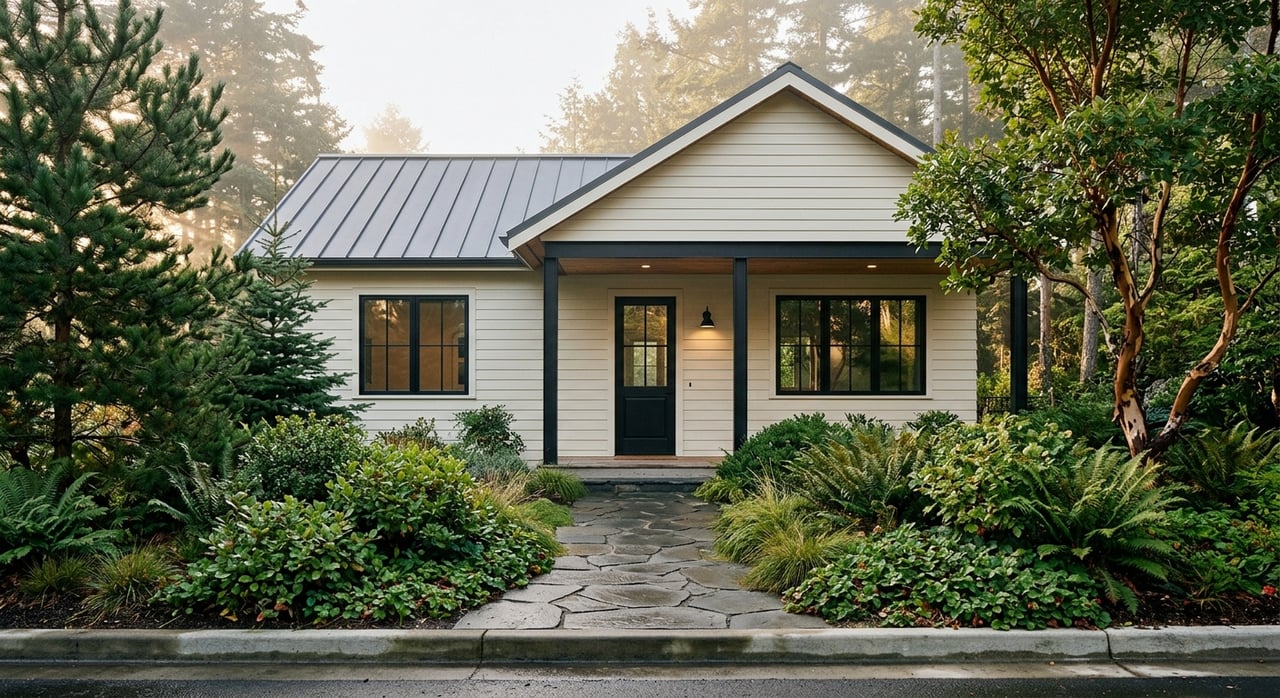
Wondering which part of Brookings fits the way you want to live on the coast? That is one of the biggest questions buyers face here, because Brookings is less about sharply defined neighborhoods and more about choosing between in-town convenience, harbor and beach access, or a quieter rural setting. If you are weighing lifestyle, price, views, and day-to-day ease, this guide will help you compare the areas that local buyers talk about most. Let’s dive in.
How Brookings neighborhoods differ
Brookings sits at the mouth of the Chetco River, with the Pacific Ocean to the west and the Coastal Range to the east. The city’s layout naturally creates three broad home-buying zones: the in-town core, the harbor and beach side, and the rural fringe.
That matters because your experience can change a lot from one area to another. In one part of town, you may be able to run some errands on foot. In another, you may trade convenience for ocean views, extra land, or more privacy.
The city also identifies local subareas you may hear in everyday conversation, including Harbor Hills Subdivision, Oceanview Drive, Parkview Drive, Dawson Tract Neighborhood, and Harbor. These names help narrow your search, even if Brookings does not feel divided into many formal districts.
In-town Brookings: convenience first
If you want to stay close to daily essentials, the in-town core is usually the easiest place to start. The city clusters many civic and practical services around its central area, including City Hall, the library, the post office, shopping, schools, and airport and port facilities.
This is also the most walkable part of the local market. Recent property examples in central Brookings showed lifestyle scores that suggest some errands can be done on foot, which is a meaningful difference compared with many other Brookings locations.
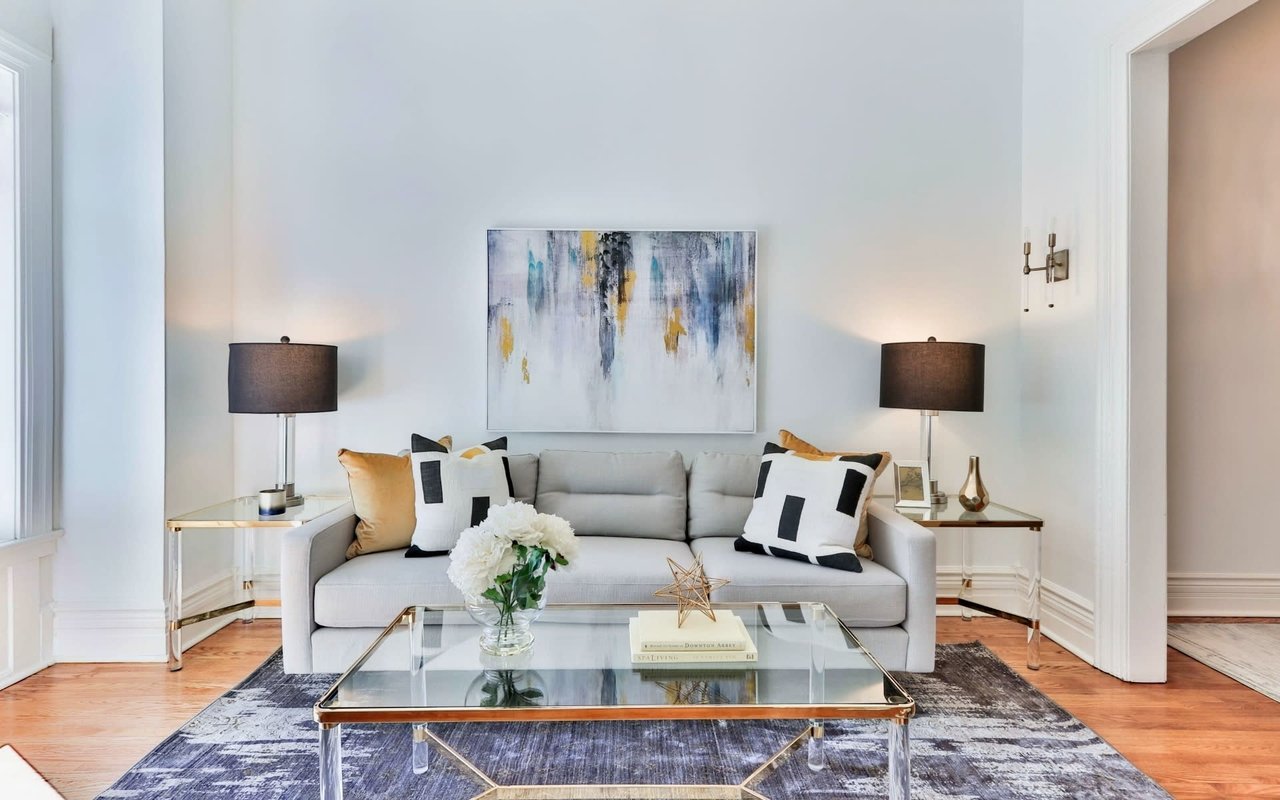
For buyers relocating from a larger town or suburb, this area can feel more familiar in daily rhythm. You may have less land and fewer dramatic view corridors, but you gain easier access to services and a more connected in-town setting.
What homes look like in the core
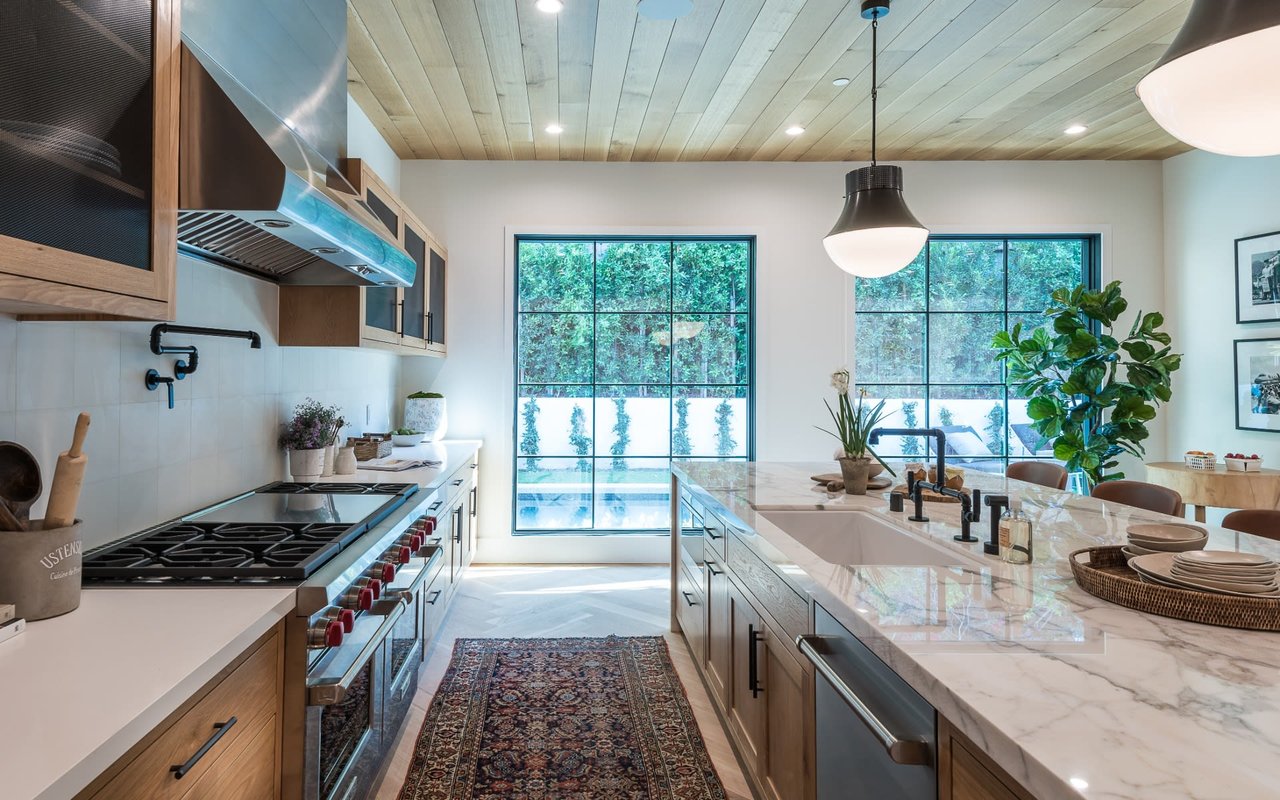
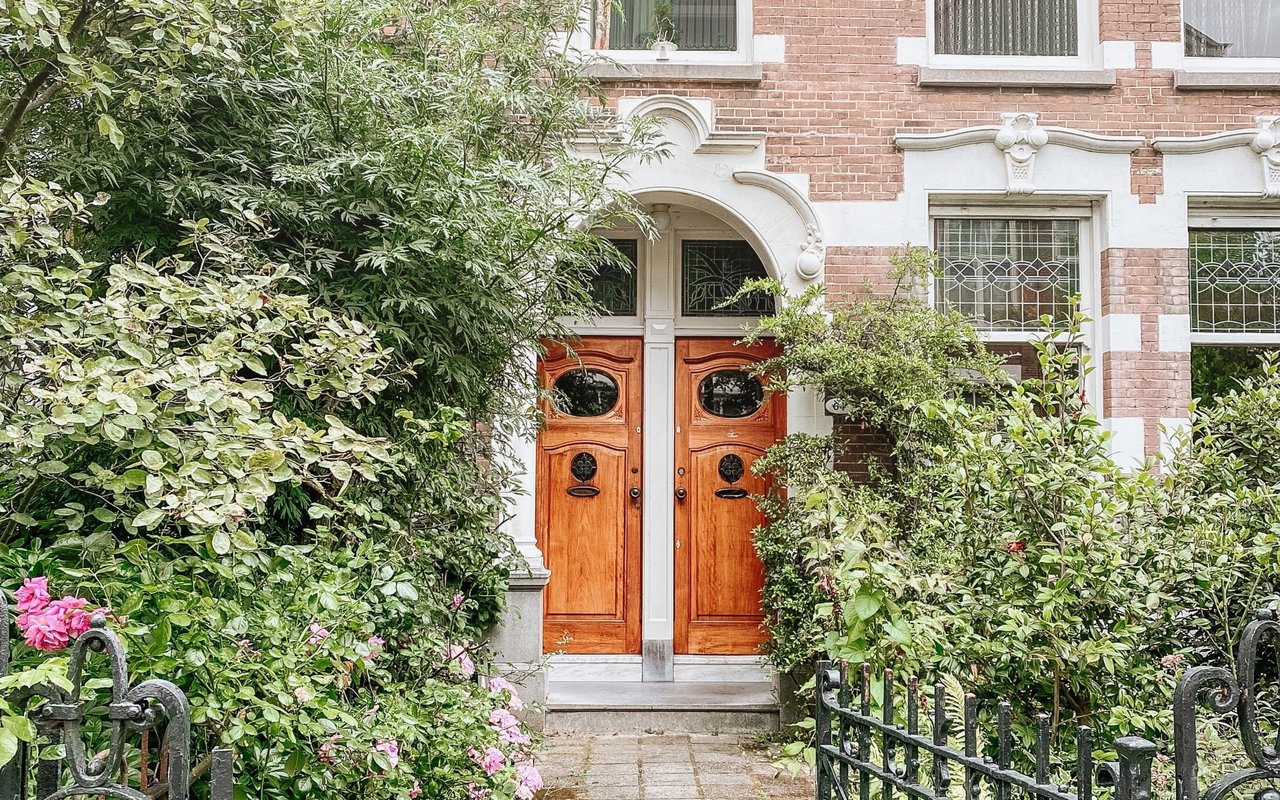
Housing in central Brookings tends to include older single-family homes, cottages, and updated homes on modest lots. Some homes command higher prices when they are larger, more remodeled, or better positioned near the central corridor.
Recent examples in the research ranged from a Wharf Street sale at $389,000 to a Railroad Street listing at $599,900. That gives you a practical sense of the range, though individual homes will vary based on condition, size, and updates.
Who this area often fits best
The in-town core often works well if you want:
- Easier access to errands and civic services
- A lower reliance on driving for daily needs
- Older homes with character or updates already completed
- A simpler relocation experience close to schools and medical care
Brookings-Harbor School District 17C serves the area, and Curry Medical Center provides primary care, specialty care, and 24/7 emergency service in Brookings. For many out-of-area buyers, having those services nearby is part of the decision.
Harbor and beach areas: views and coastal feel
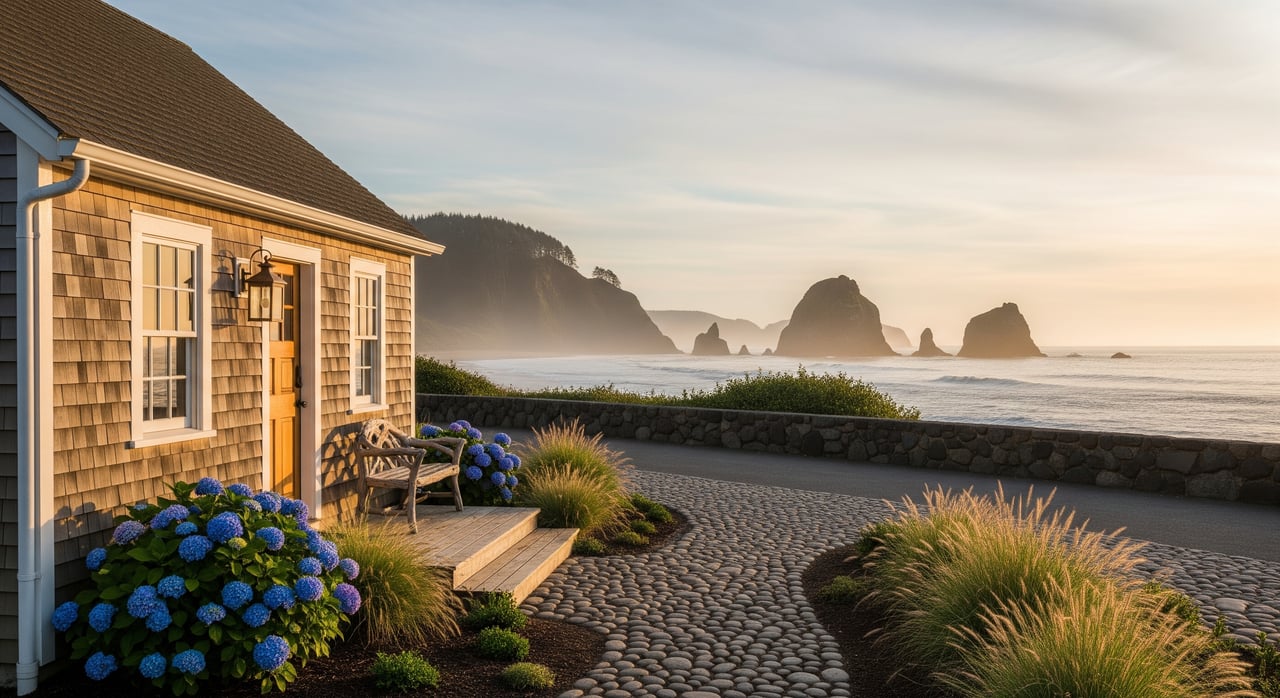
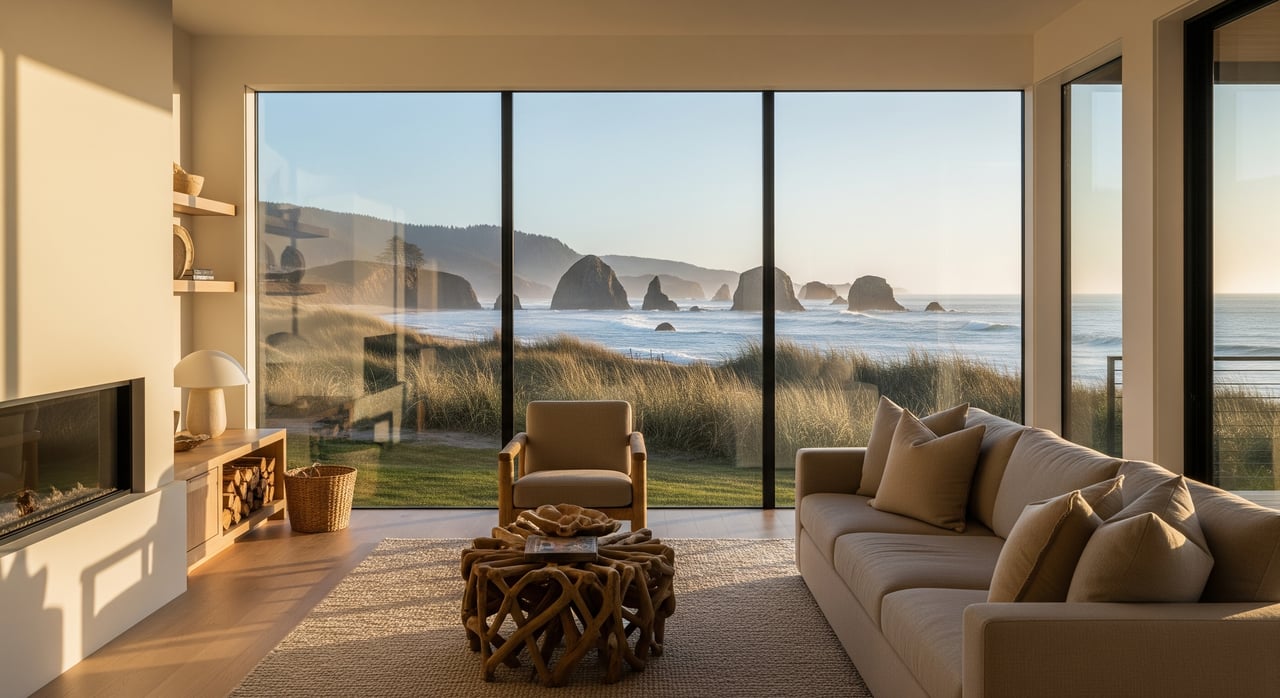
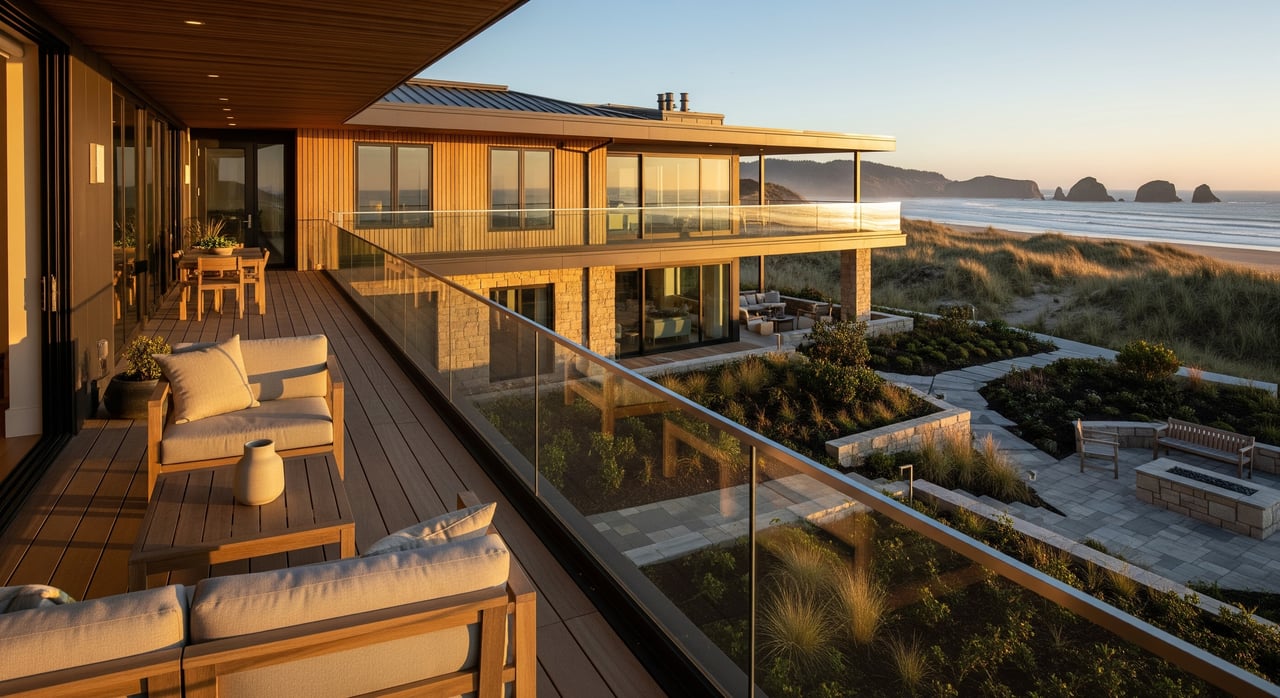
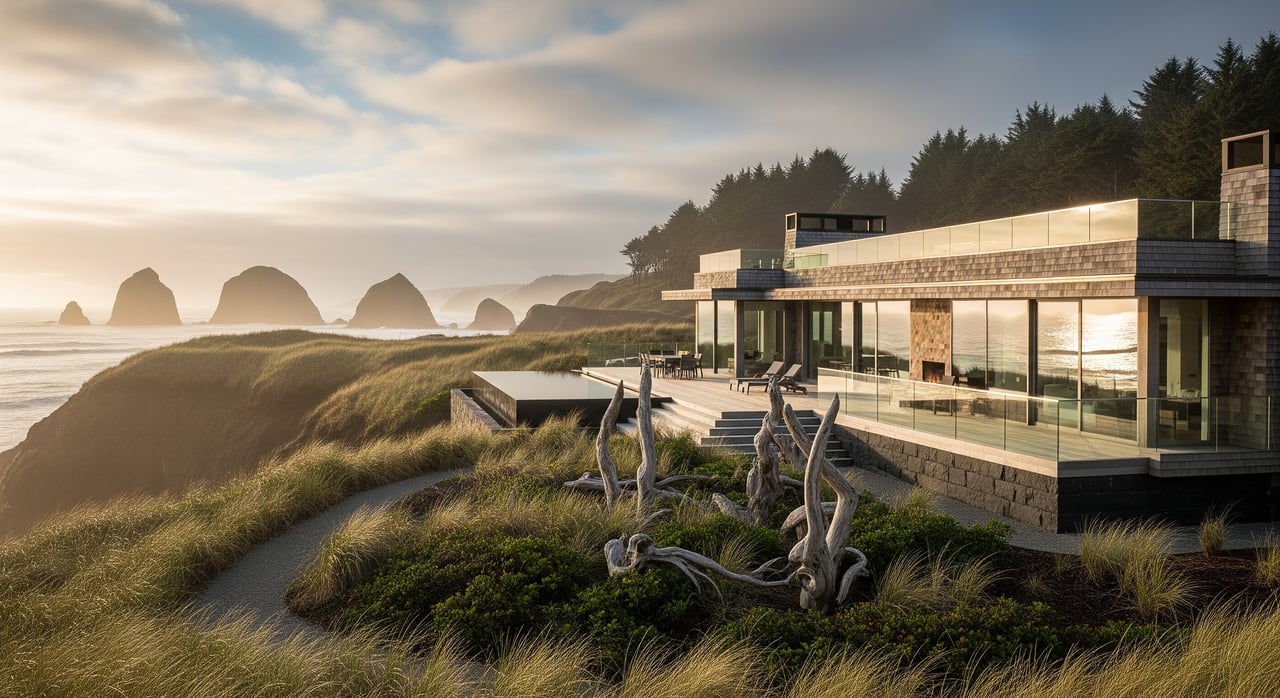
If your picture of coastal living includes ocean views, beach access, or a stronger second-home feel, the harbor side often draws the most attention. This part of Brookings is more varied in both terrain and housing style than the in-town core.
According to the Harbor Area plan, Harbor Hills sits on wooded slopes east of US 101 overlooking the Pacific, while Harbor Bench lies west of US 101 and has more historically agricultural land patterns. In real terms, that means you can see everything from flatter parcels near port activity to elevated homes with broader outlooks.
Areas buyers often compare here include Harbor, Harbor Hills, Oceanview Drive, Parkview Drive, and the Harris Beach edge. These pockets can feel very different from one another, even when they are discussed together.
What to expect day to day
The tradeoff for views and beach proximity is usually car dependence. Recent examples near Harris Beach, Oceanview Drive, and Harbor Hills showed very low walkability scores, with driving required for most needs.
For some buyers, that is an easy trade. If you are shopping for a retreat, a view property, or a home that feels more tucked into the landscape, convenience may matter less than setting.
Price range in the harbor and beach band
This is the broadest pricing band in Brookings. The research shows examples from a $132,500 Harbor Hills park home and a $265,000 manufactured home near the port and beaches to $600,000 and $720,000 sales on Schooner Bay Drive, a near-beach home estimated around $992,817, and an oceanfront listing at $3.25 million.
That spread tells you something important: location alone does not set the price here. Elevation, view angle, home type, condition, and direct ocean frontage can all shift value in a major way.
Buyers who often prefer this area
These neighborhoods often appeal to buyers looking for:
- Ocean views or beach-oriented living
- A second-home or getaway atmosphere
- Low-maintenance options, including some manufactured-home settings
- Coastal presentation with a stronger sense of destination
If you are downsizing, some Harbor Hills options may also be worth a look. Just be sure to review park rules, shared amenities, and driving distance to the places you use most.
Rural Brookings: land, privacy, and flexibility
If your ideal property includes acreage, workshops, or a quieter setting, the rural fringe may be the best fit. Buyers often look toward the Chetco River corridor, North Bank, South Bank, Duley Creek, and Tule Road when they want more space.
This part of the market is less about neighborhood feel and more about land use, privacy, and property features. A home here may come with forested surroundings, detached garages, shops, or room for equipment and hobbies.
What rural properties offer
The research highlights examples such as a North Bank Chetco River property on 5.03 acres with a 40-by-40 shop and a second workshop, and a South Bank Chetco River property on more than nine acres with forest cover and a detached garage. In these areas, the land can matter as much as the house.
That makes rural Brookings attractive for buyers who want flexibility. If you are comparing acreage properties, lot size, outbuildings, access, and setting may carry just as much weight as square footage.
The tradeoff for more space
Walkability drops sharply in the rural corridors. One rural Chetco River example showed a very low lifestyle score, with schools several miles away.
That means your priorities need to be clear. If you want privacy and elbow room, the drive may be worth it. If you want quick daily convenience, rural properties may feel less practical.
Rural pricing in context
Recent sale examples in the research included a 1.31-acre Duley Creek home sold for $365,000 and a 5.03-acre Tule Road home sold for $430,000. As you move through this segment, values can change quickly based on acreage, improvements, views, and utility features.
This is one of the most nuanced parts of the Brookings market. Two homes with similar square footage can feel very different in value if one has better land usability, more outbuildings, or a stronger river or forest setting.
Brookings price trends by area
Brookings is best understood as a premium coastal market with meaningful variation by micro-area. As of April 2026, the 97415 ZIP showed a median sale price of $598,000 and average days on market of 115, with buyer’s market conditions.
For you, that means two things. First, pricing can shift a lot depending on whether you want in-town convenience, harbor access, or rural acreage. Second, you may have more room to negotiate than you would in a faster-moving urban market.
Here is a simple way to think about the local ranges mentioned in the research:
| Area | General price pattern |
|---|---|
| In-town core | High-$300Ks to $600Ks |
| Harbor and beach areas | Mid-$100Ks for some manufactured homes to seven figures for premium oceanfront |
| Rural acreage corridors | Mid-$300Ks and up, depending on land, views, and improvements |
These are not fixed price bands, but they are a useful starting point when planning your search.
A key Brookings factor: tsunami zones
In Brookings, location decisions are not just about lifestyle and price. The city’s tsunami evacuation map shows that low-lying beach and harbor corridors sit within local or distant evacuation zones.
That makes elevation and route access important parts of the buying process, especially if you are comparing harbor-adjacent homes with inland or hillside properties. A lower-lying home may offer easier beach access, while a higher site may change your risk profile and evacuation planning.
This is not a small detail to leave for later. If you are seriously considering a harbor or beach property, it makes sense to check tsunami mapping early so you can compare homes with a full picture of the tradeoffs.
How to choose the right Brookings area
The best neighborhood for you depends on how you want your days to feel. Start by thinking less about labels and more about patterns of living.
Ask yourself:
- Do you want to run some errands without always getting in the car?
- Are ocean views or beach access worth a less central location?
- Would you rather have acreage, privacy, and outbuildings than walkability?
- How important are proximity to medical care, schools, shopping, or the port?
- Are you comfortable evaluating elevation and evacuation routes for coastal sites?
When you answer those questions honestly, Brookings gets easier to sort. Instead of trying to find the “best” neighborhood, you can focus on the best fit.
Why local guidance matters in Brookings
Brookings is a market where broad descriptions only go so far. One street may offer a very different experience from the next, especially in the harbor and rural areas where topography, access, and home type vary widely.
That is why neighborhood-level context matters. A well-guided search can help you compare not just price, but also how each area supports the lifestyle you actually want, whether that means a cottage near town, a view home above the harbor, or acreage along the Chetco corridor.
If you want help narrowing the right Brookings area for your goals, connect with Pacifica at Rogue Reef Project for local insight and a more tailored coastal home search.
FAQs
What is the most walkable area for home buyers in Brookings?
- The in-town core is the most walkable part of Brookings, with some homes offering the ability to handle certain errands on foot and easier access to civic services, shopping, schools, and medical care.
Which Brookings areas are best for ocean views and beach access?
- Buyers often start with Harbor Hills, Oceanview Drive, Parkview Drive, Harbor, and the Harris Beach edge when they want stronger coastal views, beach proximity, or a second-home feel.
Are rural Brookings properties good for acreage buyers?
- Yes. Areas like North Bank, South Bank, Duley Creek, and Tule Road are often where buyers look for larger parcels, privacy, workshops, and a more rural property setup.
How much do homes cost in different Brookings neighborhoods?
- Based on the research examples, in-town homes often fall from the high-$300Ks to $600Ks, harbor and beach properties range from the mid-$100Ks to several million dollars, and rural acreage properties can start in the mid-$300Ks and rise based on land and improvements.
Do Brookings coastal buyers need to check tsunami zones?
- Yes. The city’s tsunami evacuation mapping shows that some low-lying harbor and beach corridors are in evacuation zones, so elevation and route access should be reviewed early when comparing coastal properties.