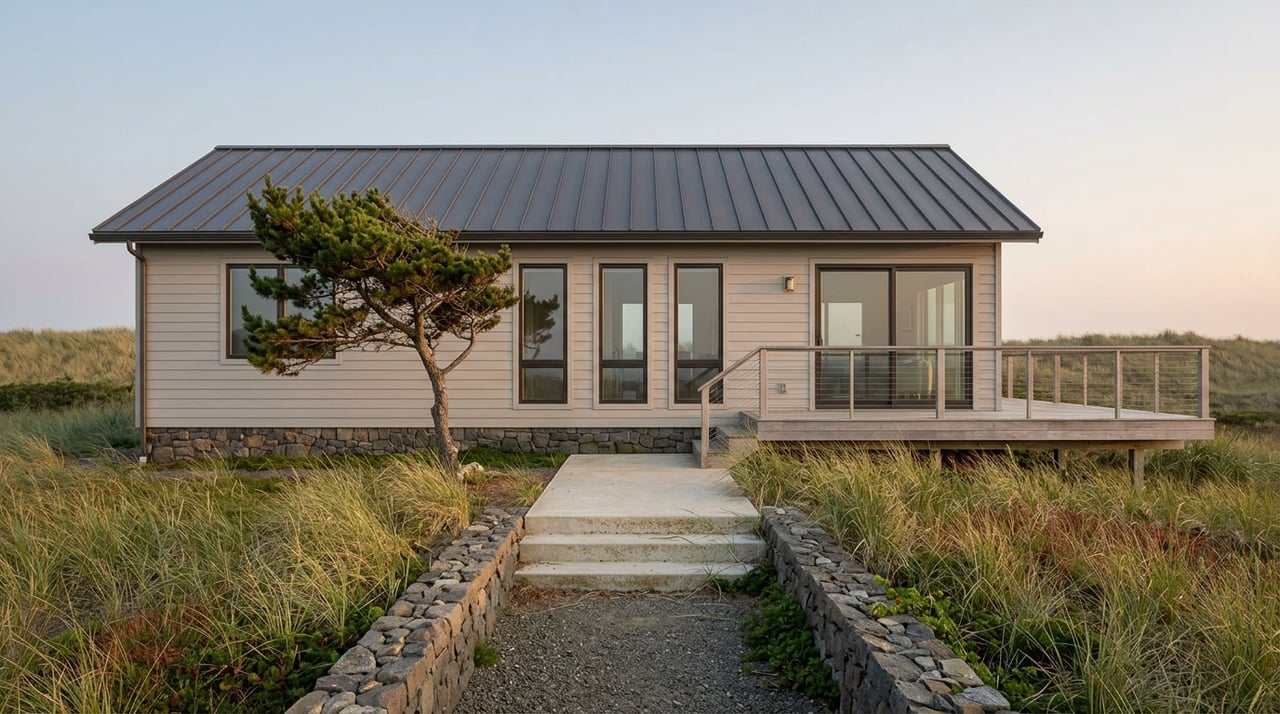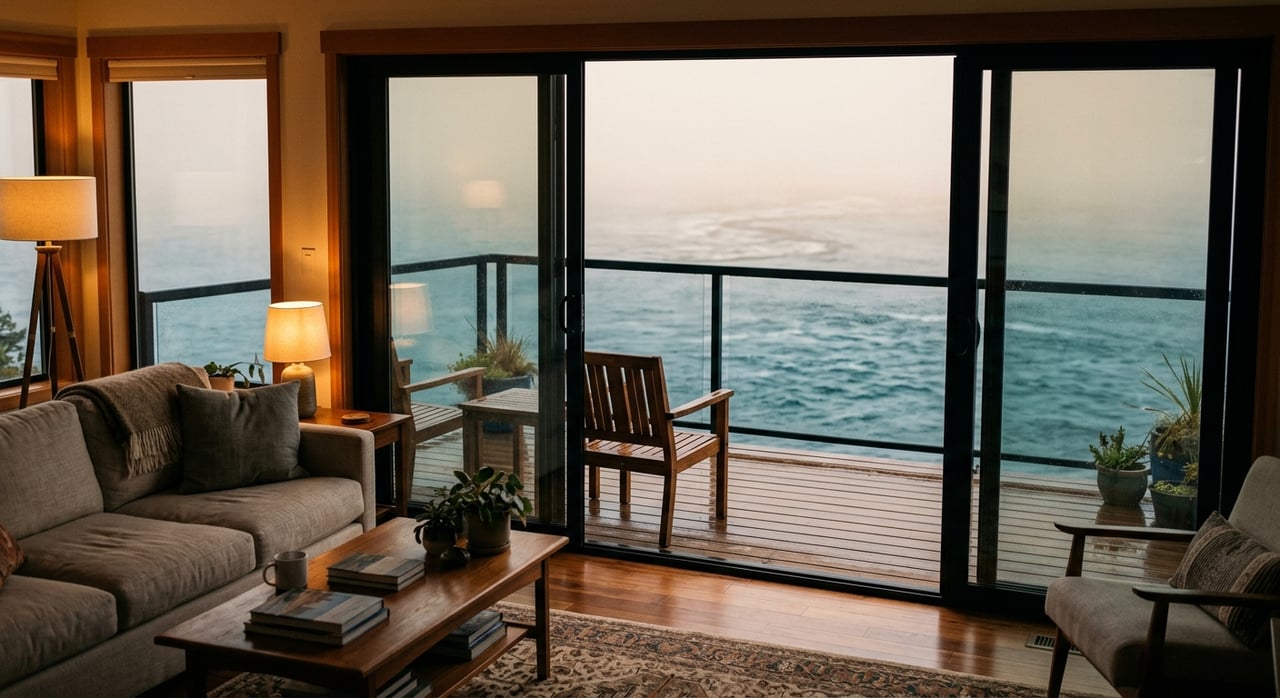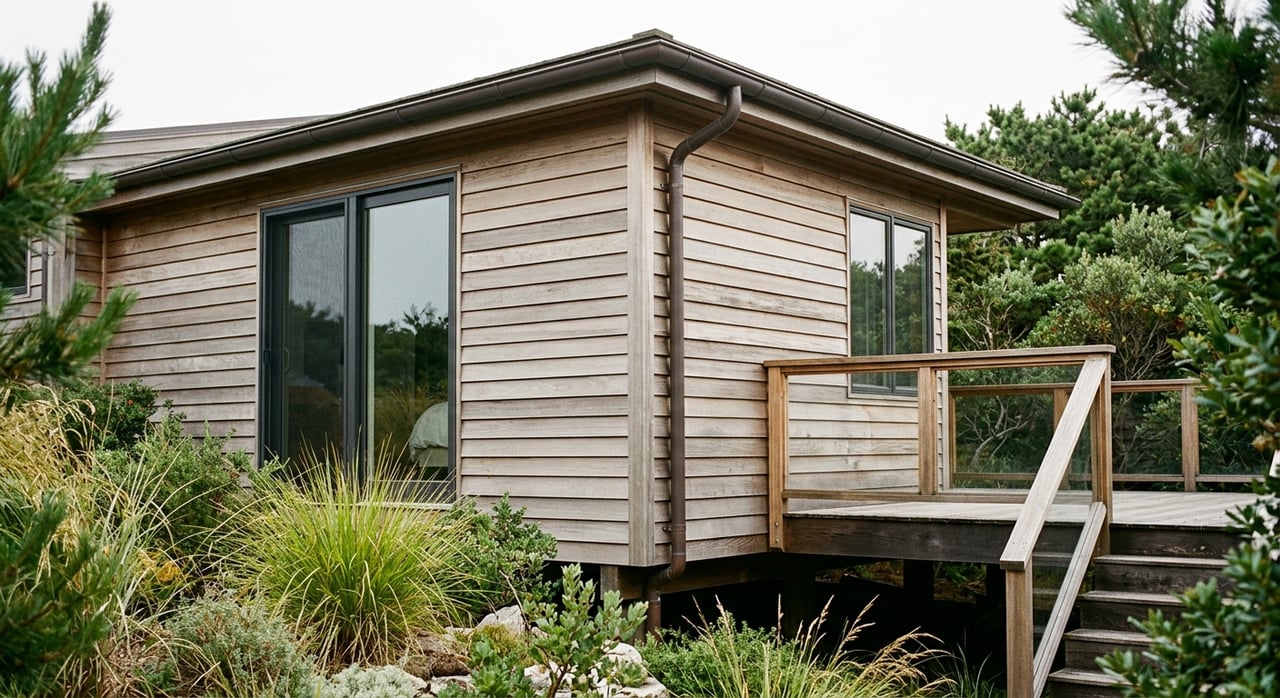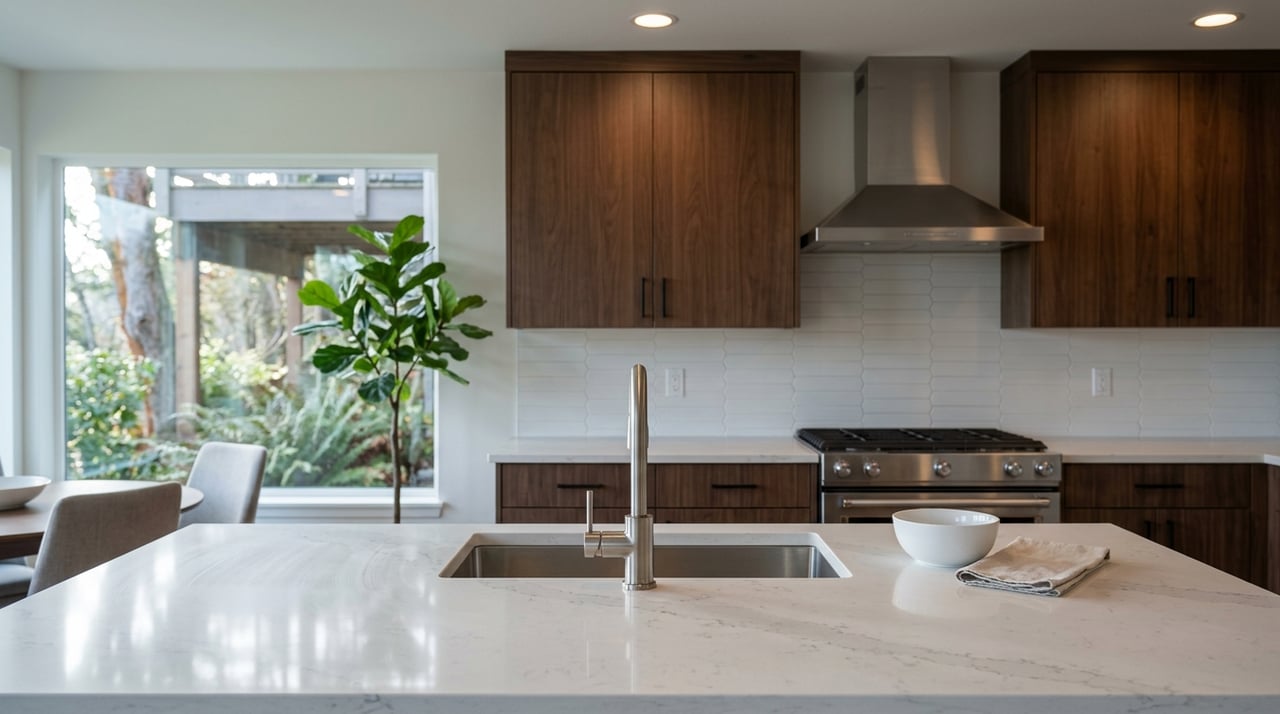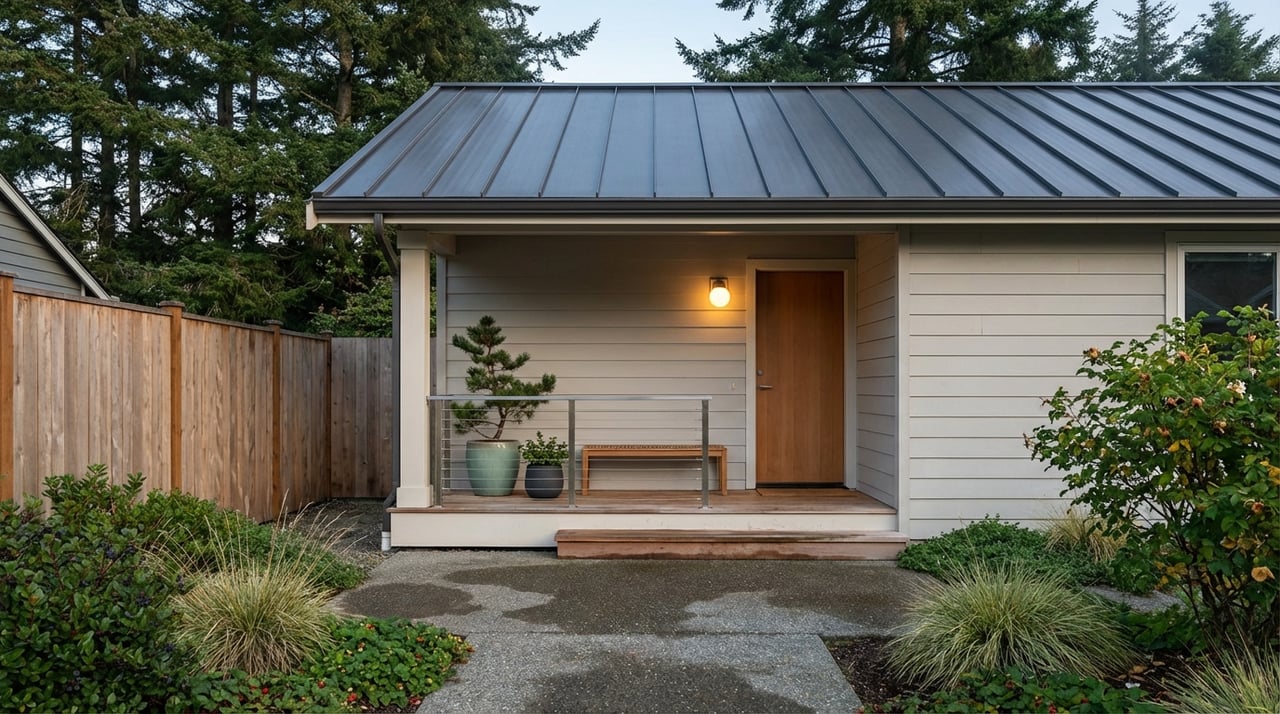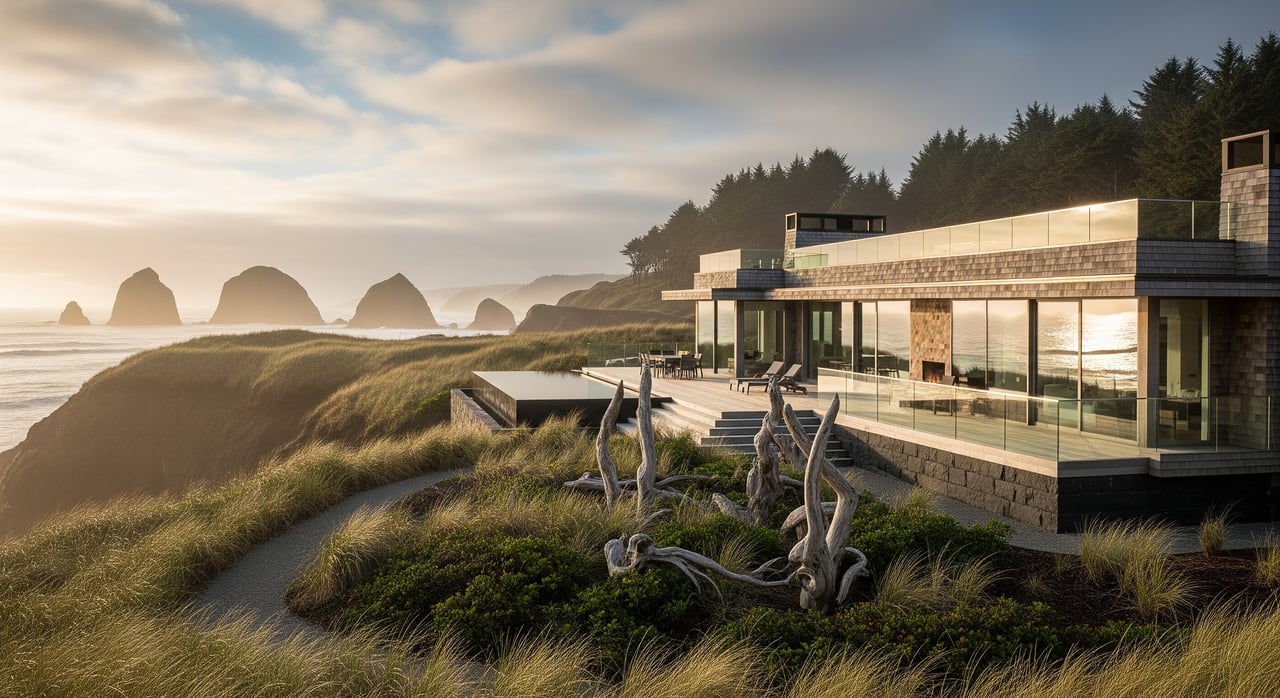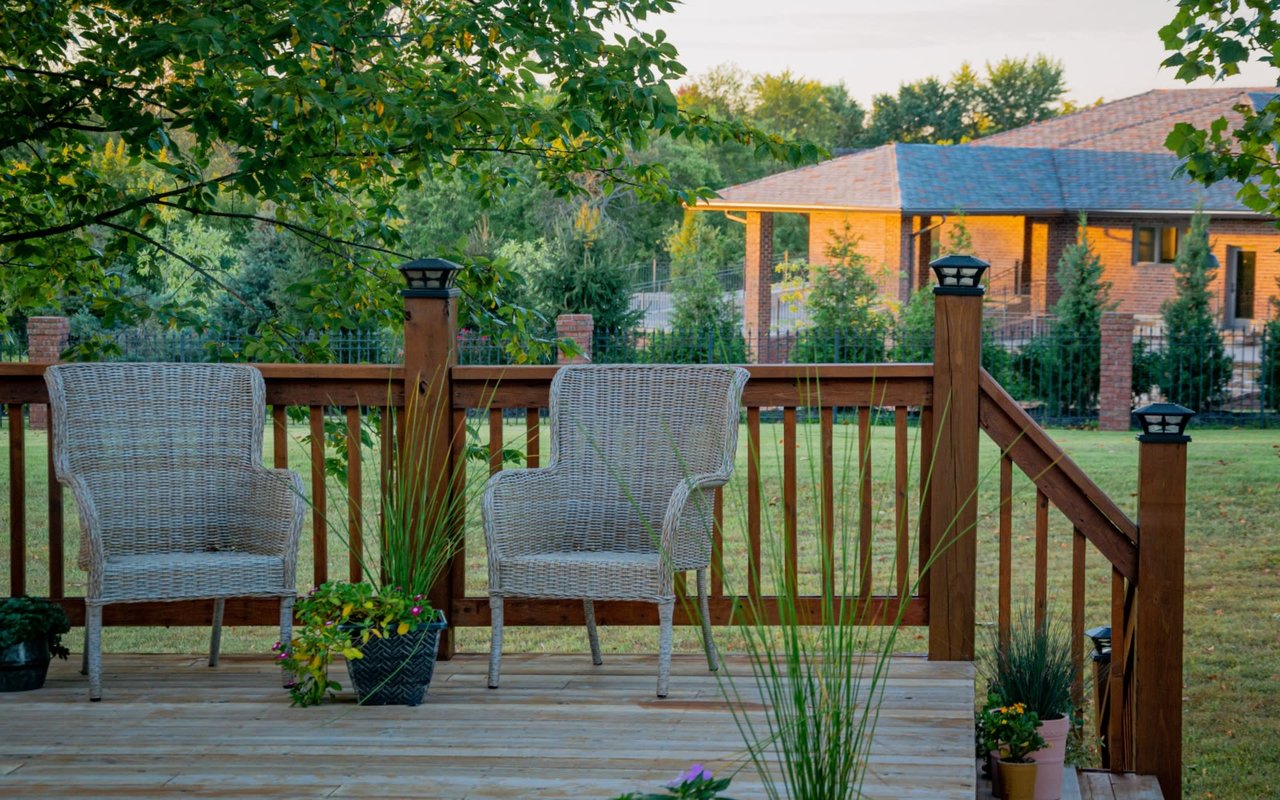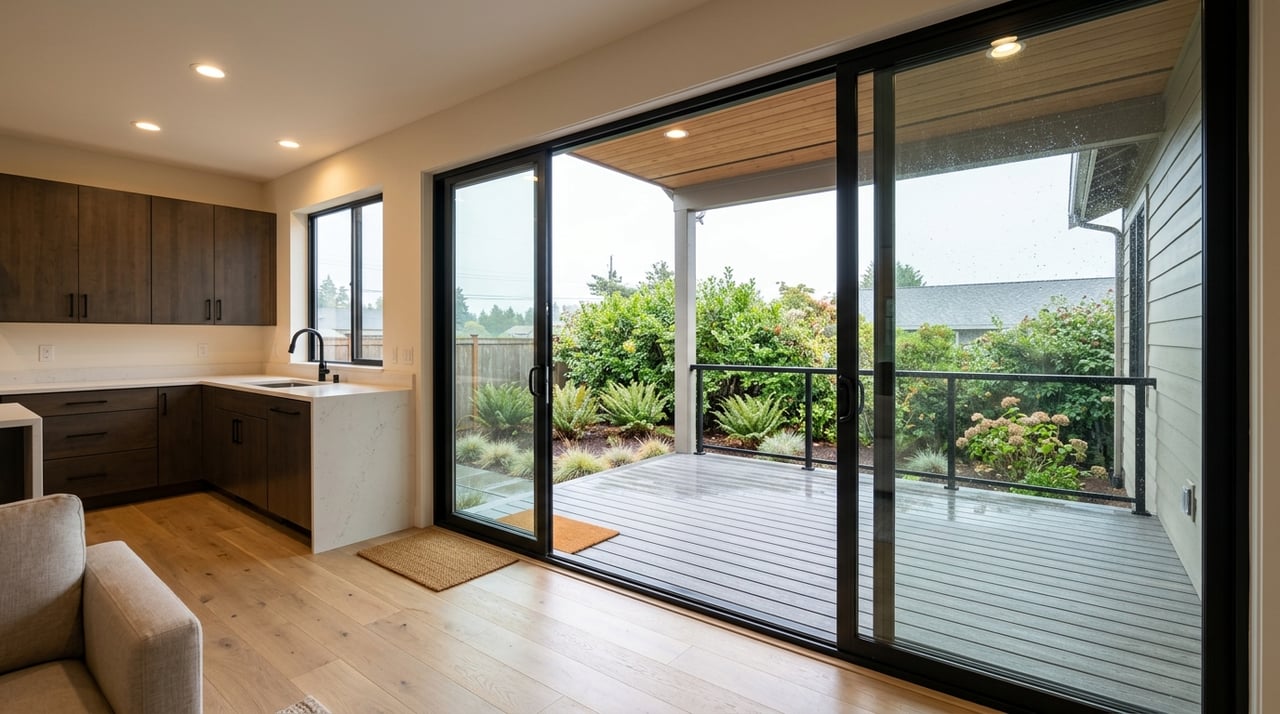
If you are picturing Brookings weather as nonstop rain or, on the flip side, as a sunny coastal paradise every day, the truth sits somewhere in the middle. Life here is shaped less by extremes and more by a steady mix of mild temperatures, ocean air, seasonal rain, fog, and wind. When you understand what that really looks like, it becomes much easier to picture daily routines, home upkeep, and even what kind of yard or garden can thrive. Let’s dive in.
Brookings Weather at a Glance
Brookings is best understood as a mild maritime coastal town. According to the City of Brookings, the area gets plenty of sunshine despite winter fog and marine layer, averaging about 191 days of sunshine per year.
The city is also influenced by the Chetco Effect, which can bring warmer air into the area and helps explain Brookings' well-known “banana belt” reputation. Still, this does not mean tropical weather. It means conditions are often more moderate than many people expect on the Oregon coast.
NOAA climate normals for the Brookings station show winter average highs around 54 to 55 degrees, while late summer average highs are about 66 to 67 degrees. Average lows generally stay in the low 40s to low 50s, which helps explain why Brookings feels temperate rather than harsh.
Rain Shapes the Seasons
The biggest weather shift in Brookings is not usually temperature. It is the difference between the wet season and the dry season.
Climate data show that late fall and winter are very wet, with about 13.1 inches of rain in December and 11.0 inches in January. In contrast, July averages about 0.4 inches of rain and August about 0.6 inches, so summer often feels dramatically drier.
That seasonal rhythm matters in everyday life. You are more likely to plan around rain jackets, drainage, and stormy stretches in winter than around deep freezes or long heat waves.
Mild Does Not Mean Weather-Free
One of the best ways to think about Brookings weather is this: it is usually moderate, but it still asks you to pay attention. You are not typically preparing for prolonged snow season or major summer heat.
Instead, daily life is more often shaped by rain, fog, and wind. The Curry County hazard plan notes that flooding is most common from October through April, when Pacific storms can bring intense rainfall.
Wind is also a real part of coastal living. The same local hazard planning identifies windstorms with gusts over 50 mph as a common coastal hazard, which is why Brookings residents often think more about sturdy outerwear and sheltered spaces than snow shovels.
Outdoor Life Is Still a Big Part of Living Here
Brookings weather supports an outdoor lifestyle for much of the year, just in a different way than many inland places. The City of Brookings highlights everyday activities like fishing, hiking, golfing, kayaking, biking, swimming, beachcombing, whale watching, and picnic lunches as part of local life.
That matters if you are thinking about a move here. In Brookings, “nice weather” does not always mean hot and cloudless. Often, it means mild enough to get outside comfortably if you are dressed for the day.
This is why locals tend to keep a flexible mindset. A morning may start cool or foggy, then open into a pleasant afternoon that still works well for a walk, paddle, or beach visit.
What Brookings Weather Feels Like Day to Day
For everyday routines, Brookings weather is often more comfortable than dramatic. Many days land in a range that supports being outside without battling major cold or major heat.
That said, the coast can be changeable. A sheltered spot may feel calm and bright, while a more exposed area catches stronger wind, heavier mist, or thicker fog.
This can affect how you dress, how long you stay outside, and even where you prefer to spend time on a given day. In practical terms, coastal life often rewards people who are comfortable adapting rather than expecting the same conditions every afternoon.
Gardening in Brookings Takes Strategy
If you love gardening, Brookings can be rewarding, but it helps to let go of inland assumptions. Oregon State University Extension describes the coastal climate as a mix of opportunity and challenge, with mild temperatures, ample rainfall, cool summers, wind, fog, and limited sunlight all playing a role.
Brookings falls in USDA hardiness zone 9b, and OSU says the growing season generally runs from mid-February to early or mid-October. That is a useful window, but success often depends on choosing the right site and protecting plants from coastal exposure.
One of the most important ideas is that your yard may contain multiple microclimates. A sunny, protected corner can behave very differently from an open area exposed to wind and salt air.
Wind Matters More Than Many People Expect
For coastal gardening, wind is often the biggest challenge. OSU notes that coastal gusts can reach 45 to 65 mph, which means plant protection is not just a nice extra.
Windbreaks can make a major difference. OSU recommends choosing the warmest, most protected site with plenty of sun, and notes that a southwest exposure is ideal for vegetables.
If you are evaluating a property, this is worth noticing right away. A yard with natural shelter, thoughtful fencing, or protected planting zones may function very differently from one that is fully exposed.
Raised Beds and Protection Help Gardens Thrive
Brookings can support productive home gardens, but methods matter. OSU recommends raised beds rather than planting directly in sandy soils, and it suggests tools like cloches, row covers, or greenhouses to extend the season and shield crops from wind and rain.
For watering, drip irrigation or soaker hoses are considered the most efficient options in this climate. That approach helps you manage moisture more precisely without wasting water or over-soaking plants.
The takeaway is encouraging. You can garden successfully here, but the best results usually come from planning, protection, and paying attention to the exact conditions on your lot.
Best Crops for a Brookings Garden
Brookings tends to favor cooler-weather crops and short-season varieties. OSU recommends vegetables such as lettuce, spinach, kale, broccoli, carrots, beets, potatoes, beans, squash, cucumbers, and onions.
Heat-loving crops like tomatoes and peppers can still be possible, but they often do better with shorter-day varieties or added protection. In other words, gardening success here is usually less about high summer heat and more about smart setup.
For many homeowners, that can actually be part of the appeal. A well-planned coastal garden can be beautiful and productive without demanding the same hot-weather conditions some inland gardens rely on.
Homes Need to Handle Moisture Well
If you are buying or owning a home in Brookings, weather matters just as much outside the house as inside it. The biggest issue is usually moisture management.
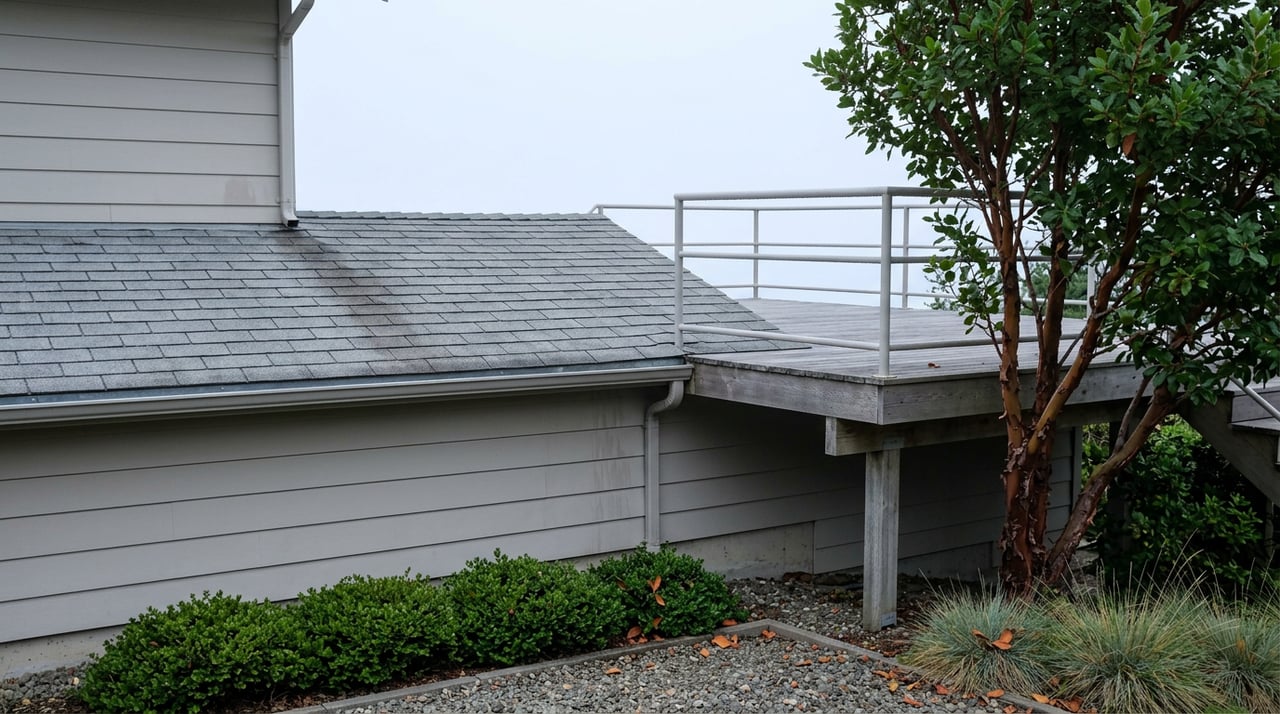
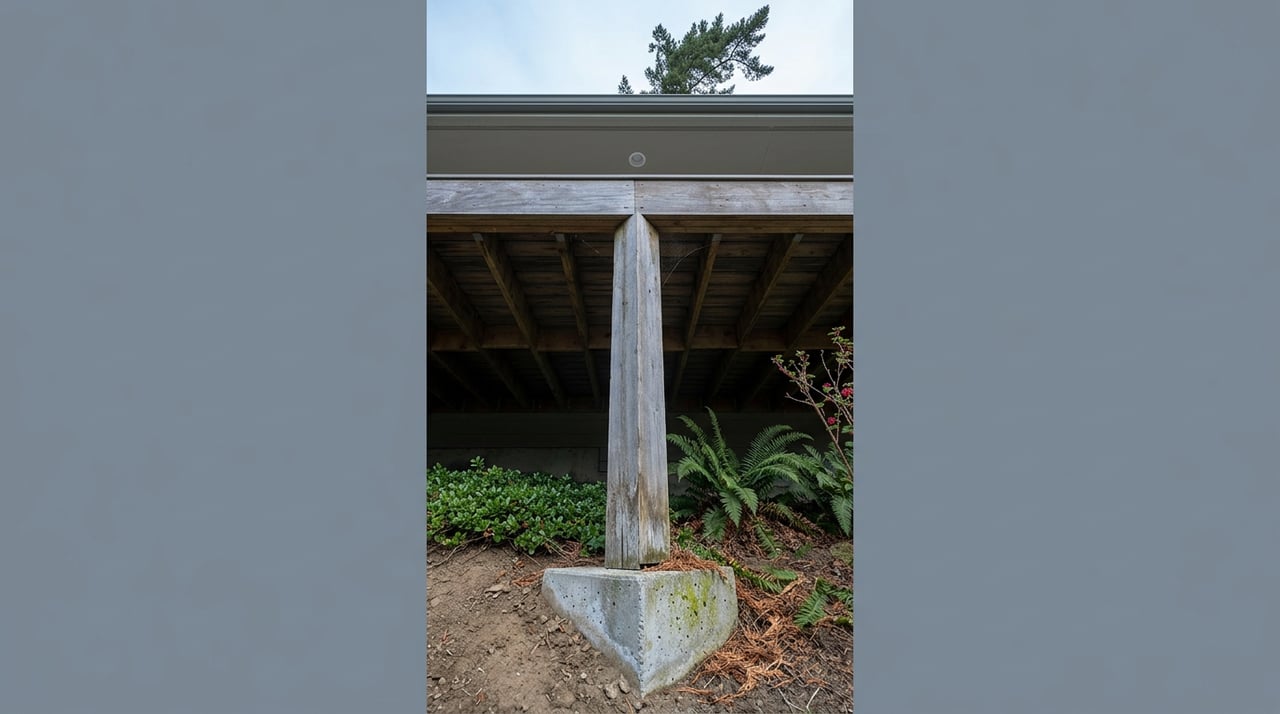
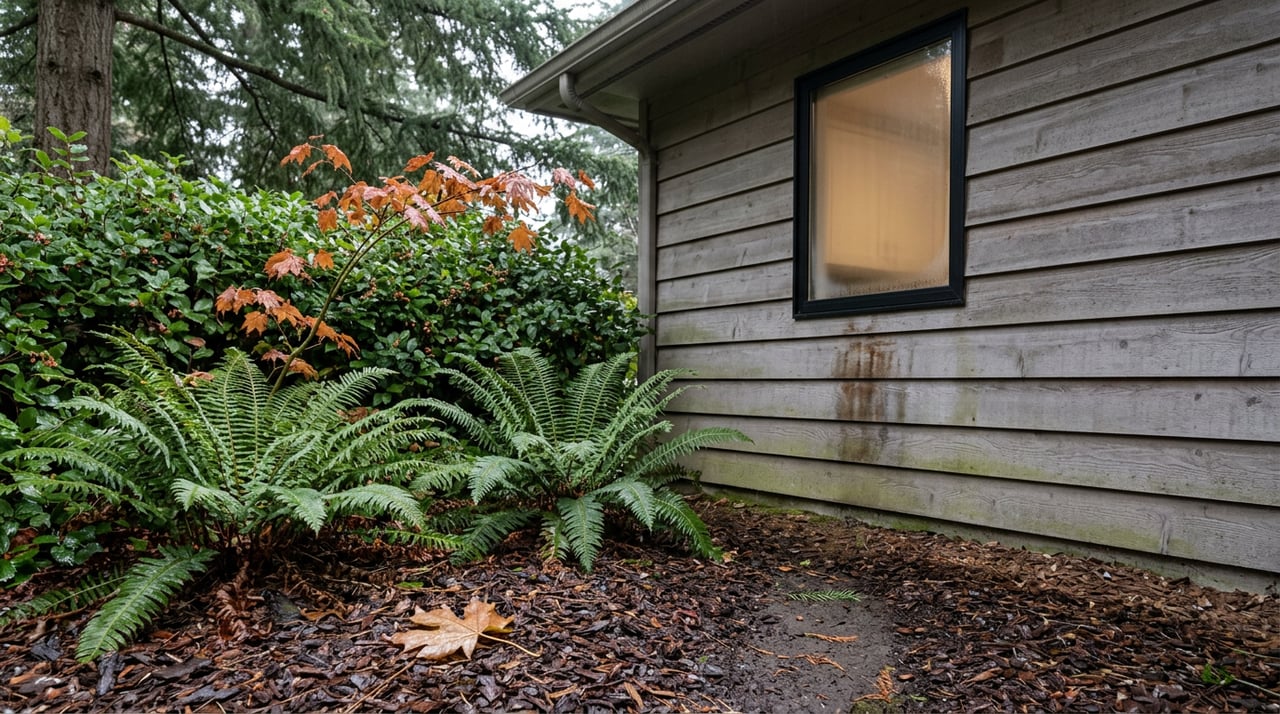
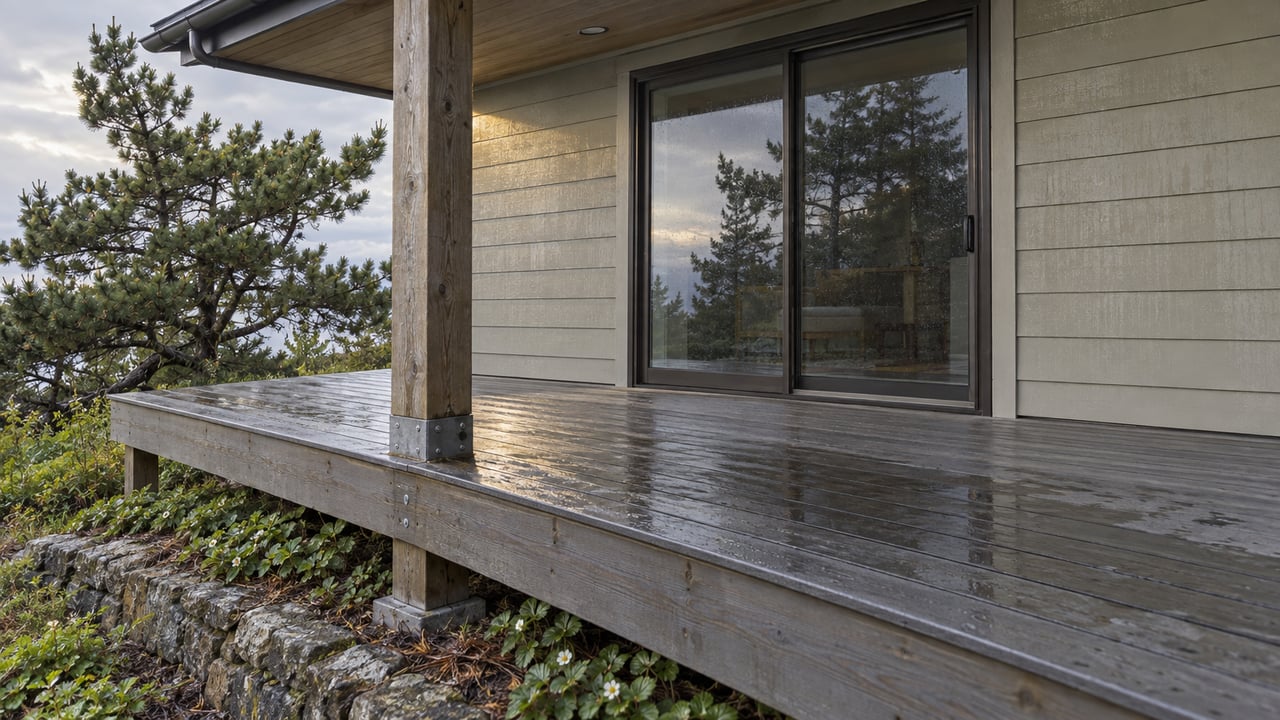
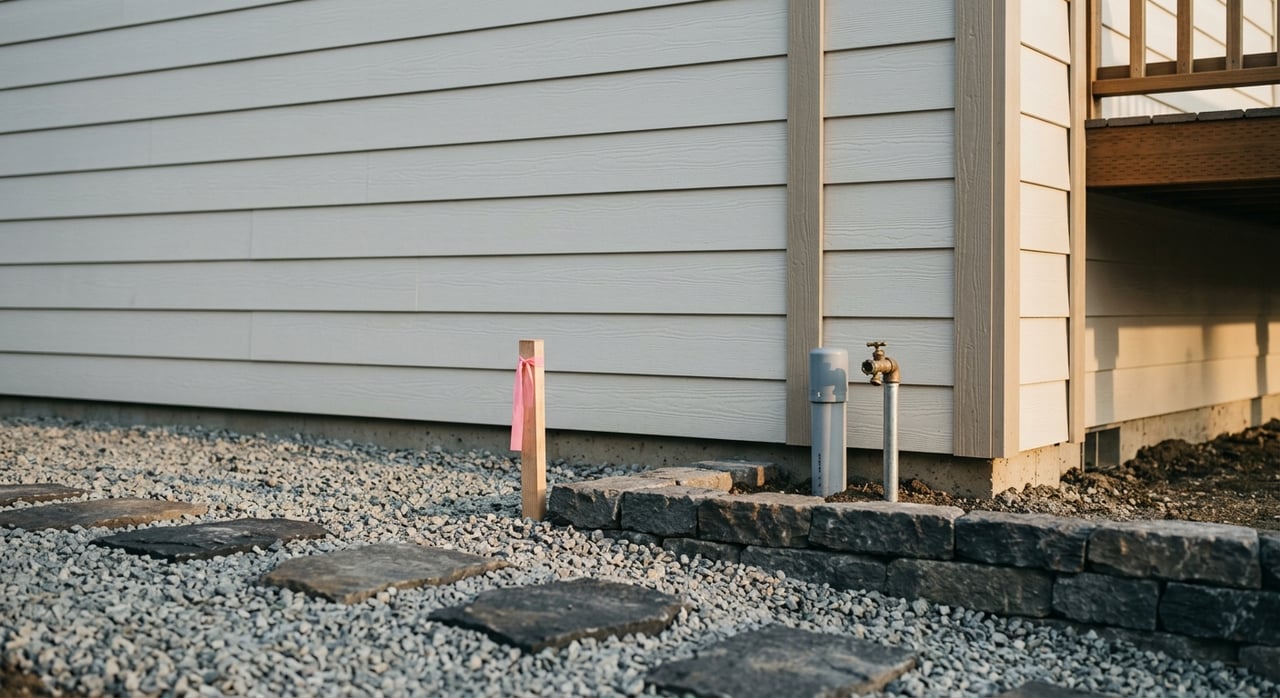
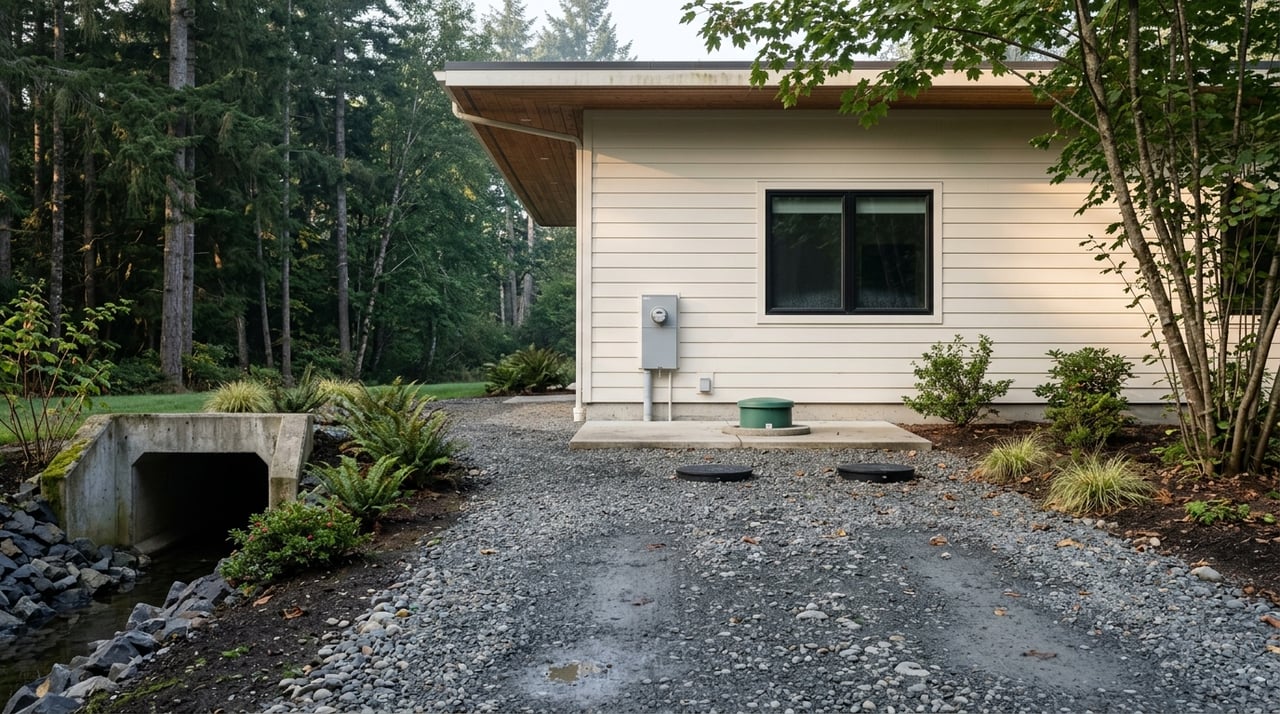
OSU Extension recommends an annual indoor-outdoor inspection for moisture and insects. That includes checking drainage, gutters and downspouts, deck rot, vegetation and tree branches near the home, and any wet spots or signs of leaks in the attic or crawl space.
This is an important coastal mindset shift. In Brookings, weather protection is not only about how a home was built. It is also about how consistently it is maintained.
Salt Air Can Affect Exterior Materials
Homes near the shoreline may also deal with salt exposure. FEMA guidance notes that salt spray from breaking waves and onshore winds can significantly speed up corrosion of metal connectors and fasteners, with the strongest salt spray generally closest to the shoreline.
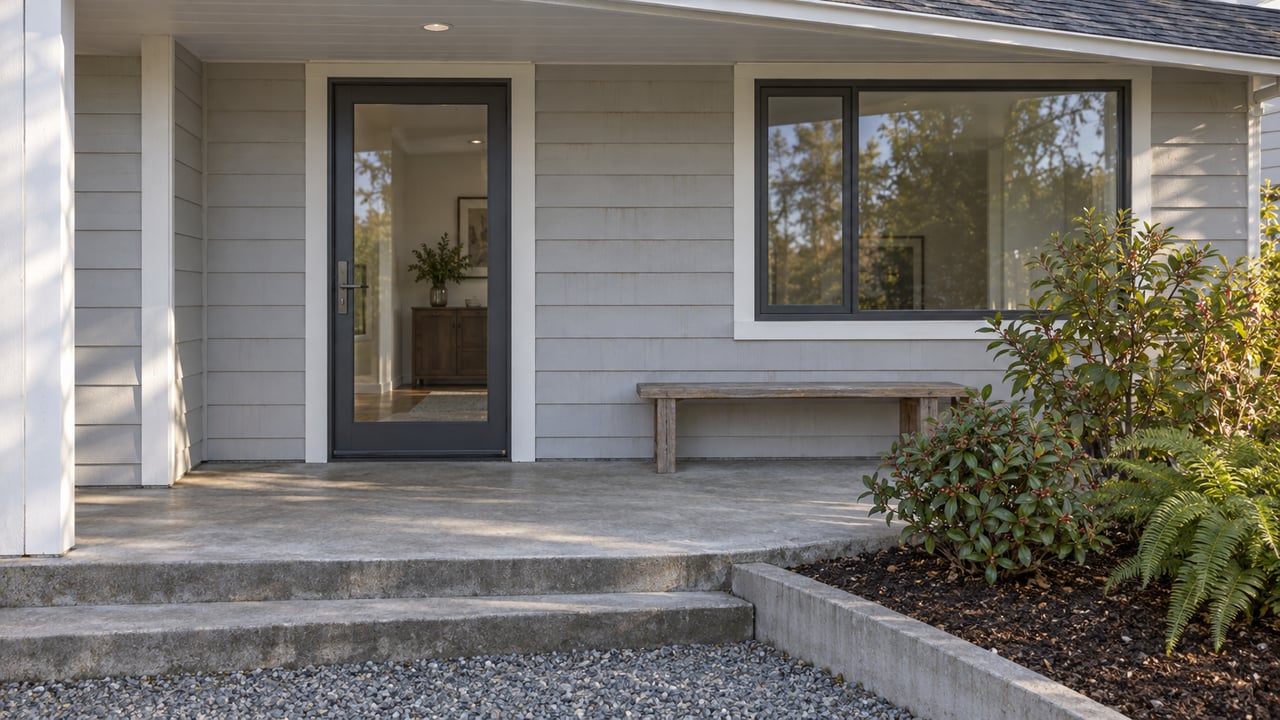
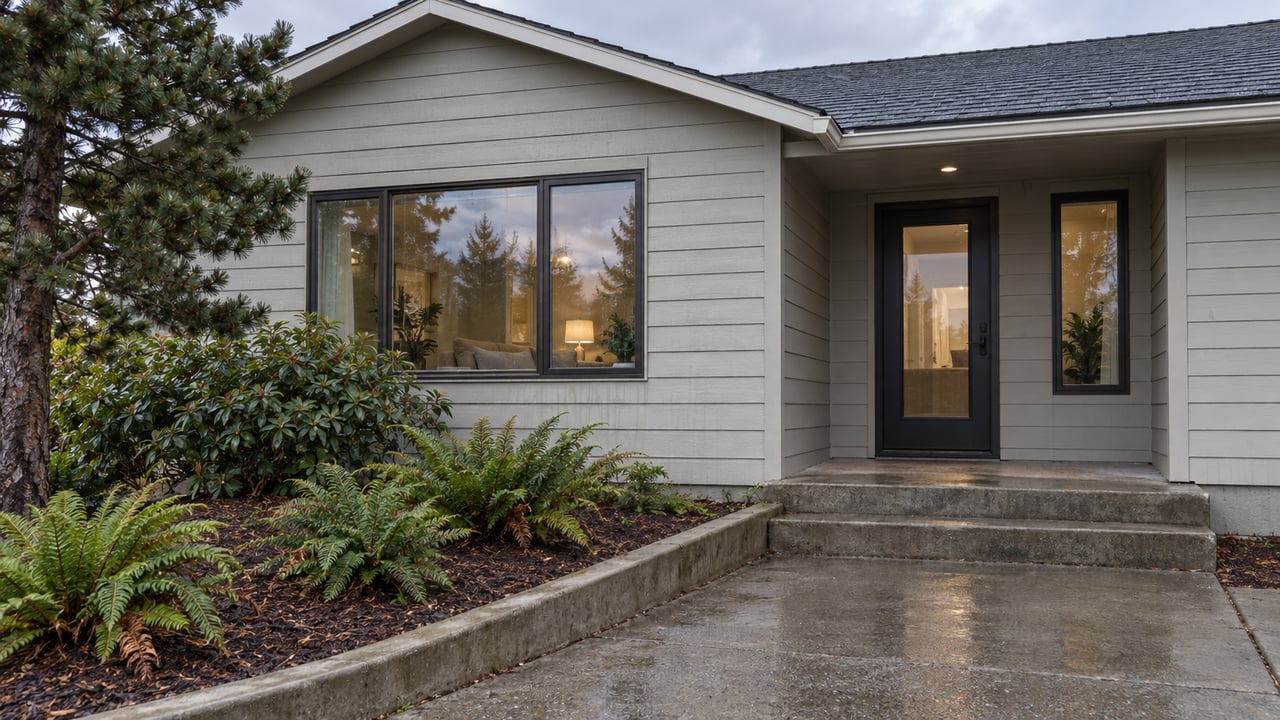
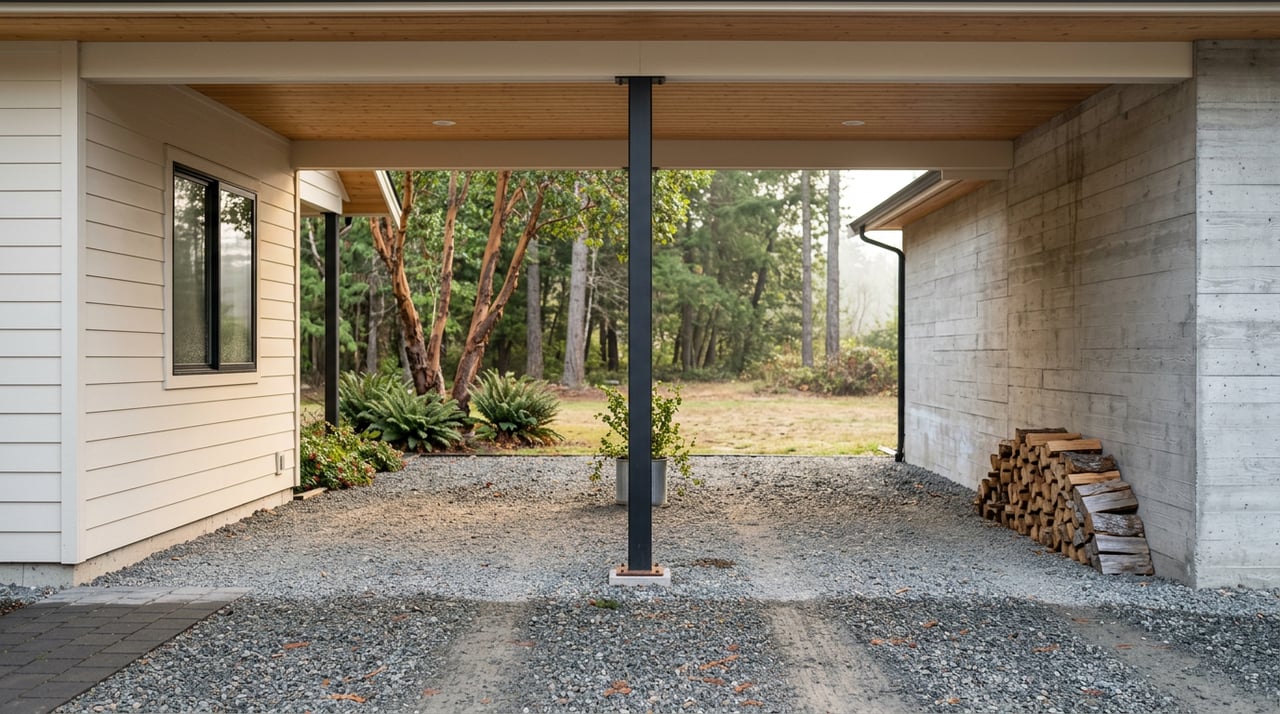
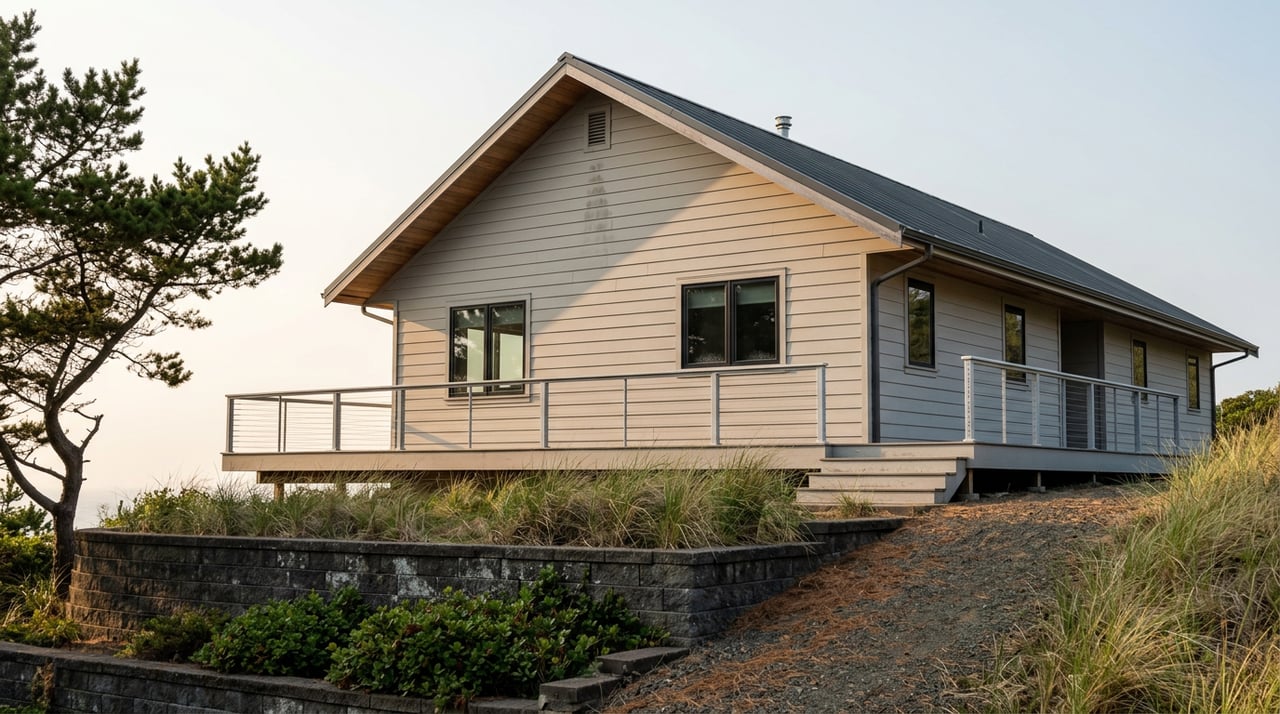
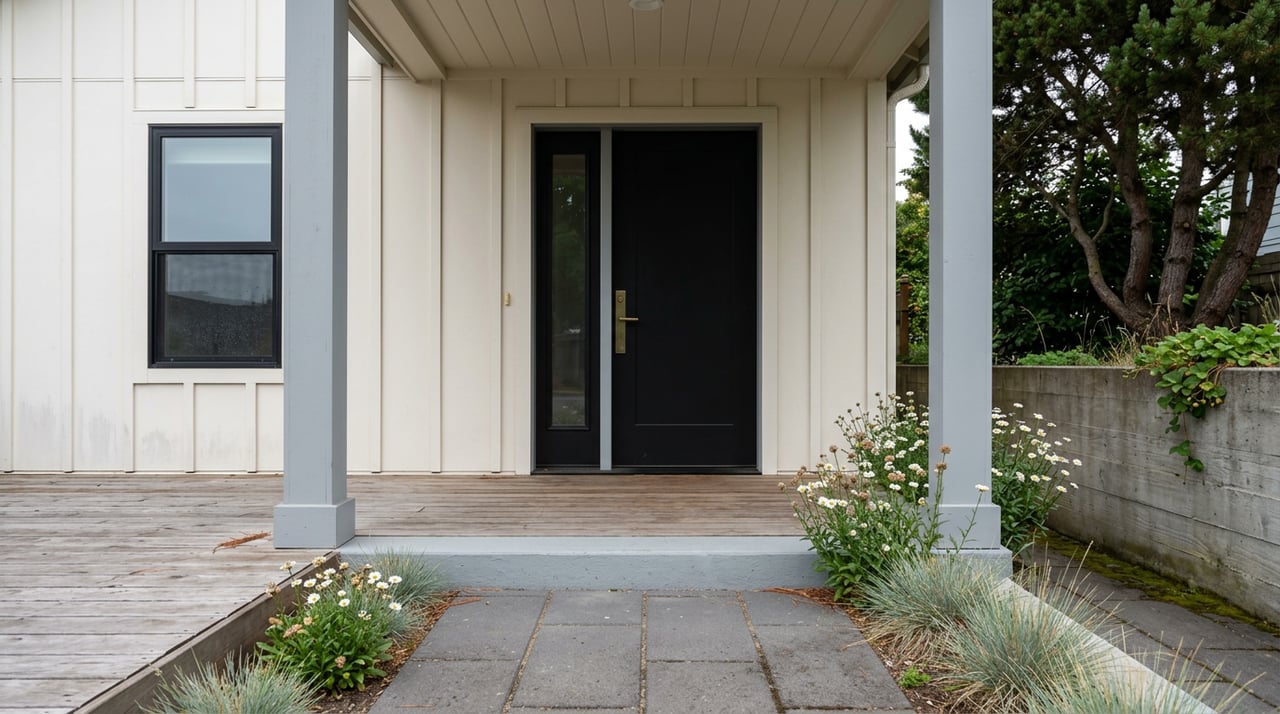
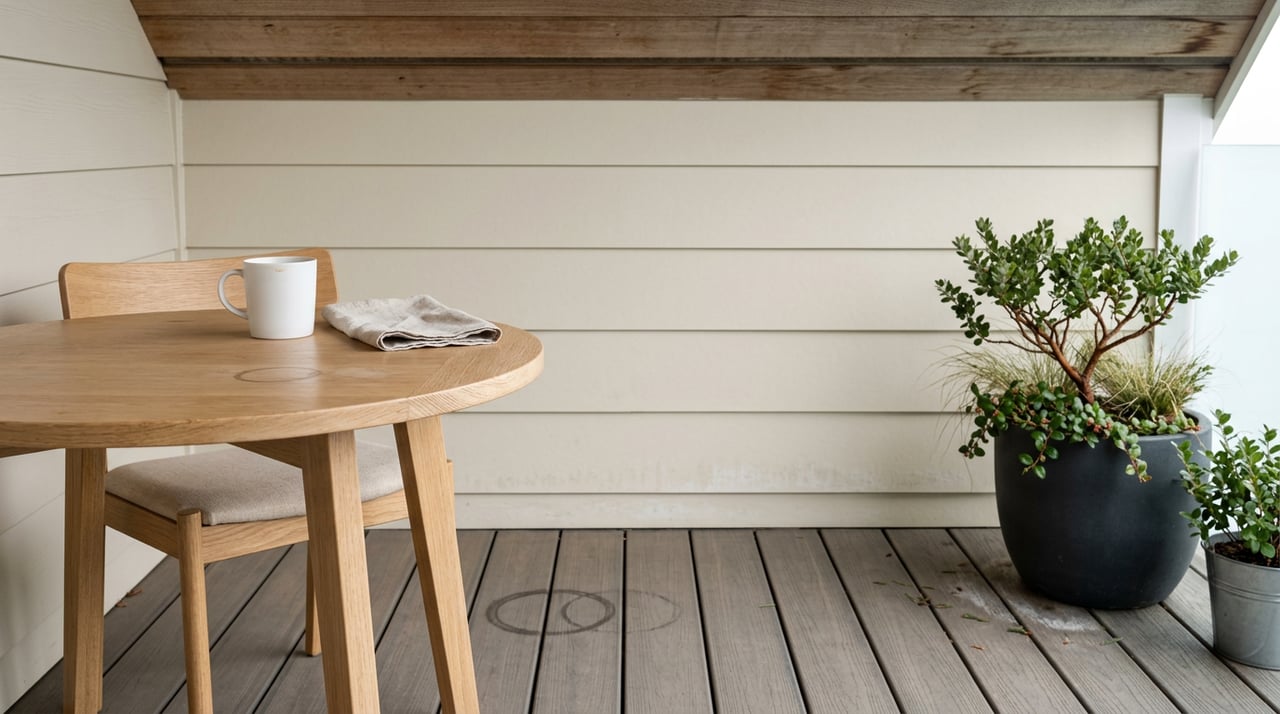
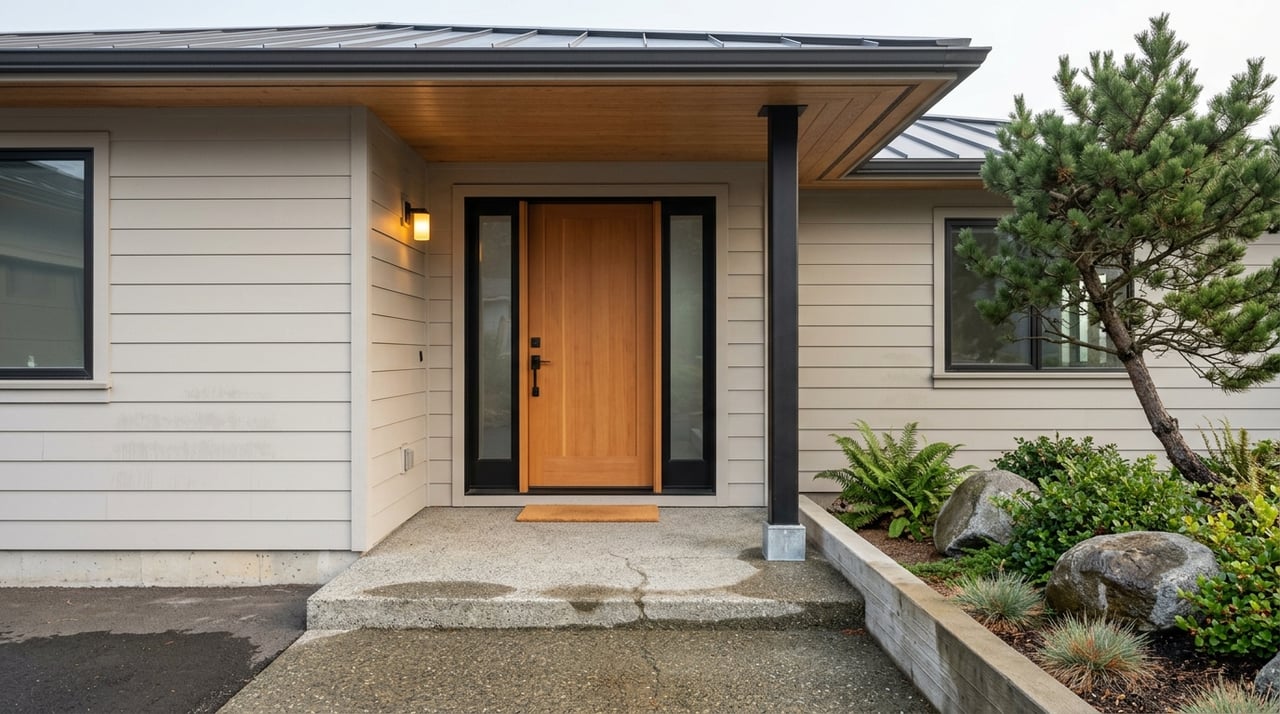
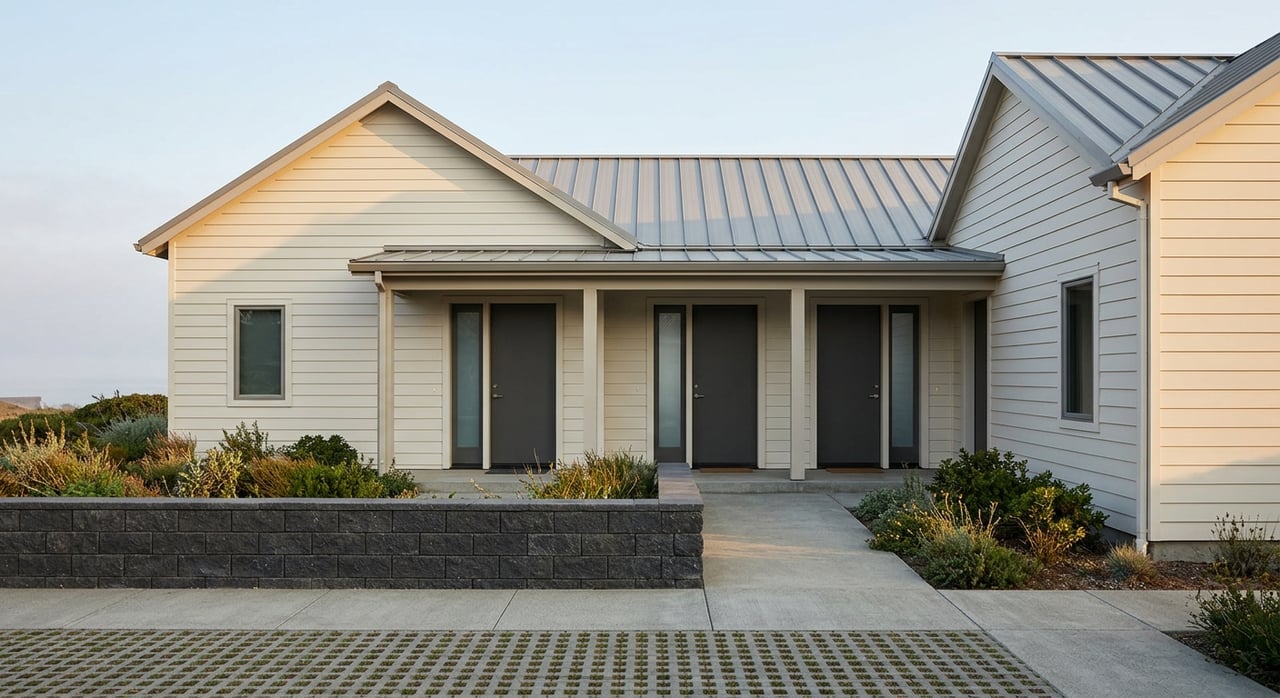
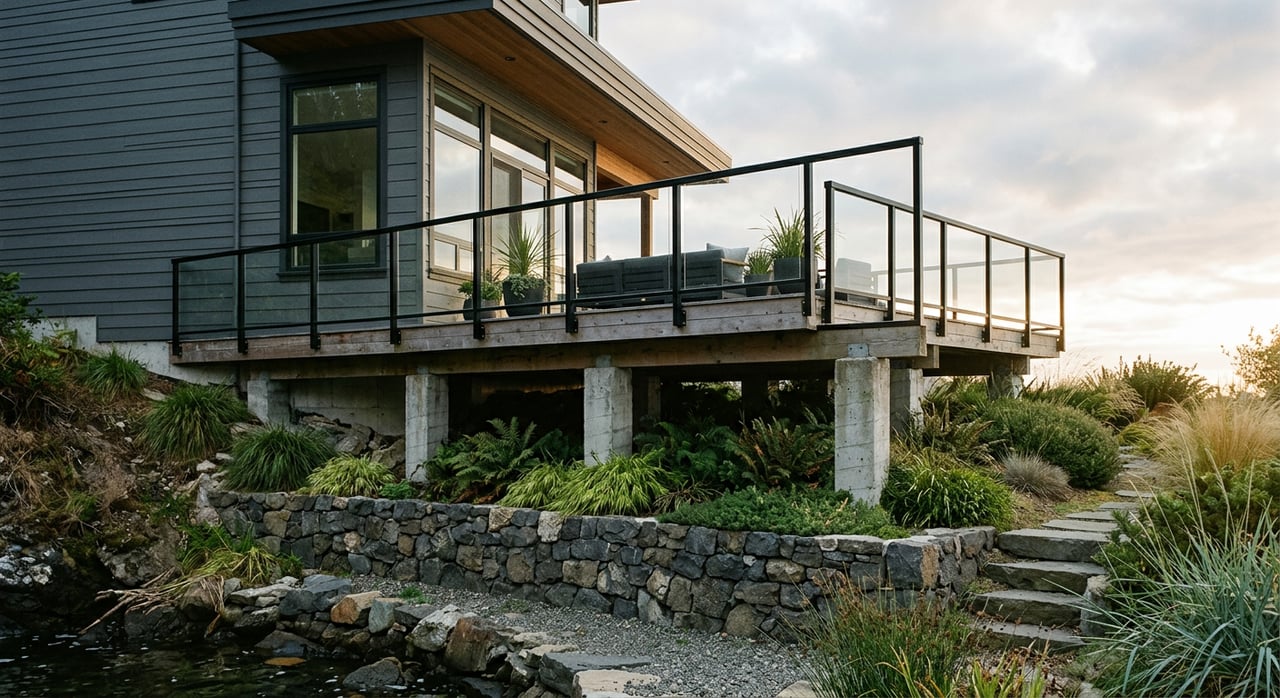
In practical terms, that means homes near the water can benefit from corrosion-resistant exterior hardware and fixtures, sheltered entries or outdoor spaces, and regular upkeep of exposed metal and wood surfaces. For buyers, this is a good reminder to look beyond the view and think about long-term durability.
This does not make coastal ownership a negative. It simply means Brookings homes often reward thoughtful design, quality materials, and regular care.
Weather-Smart Features to Notice in a Home
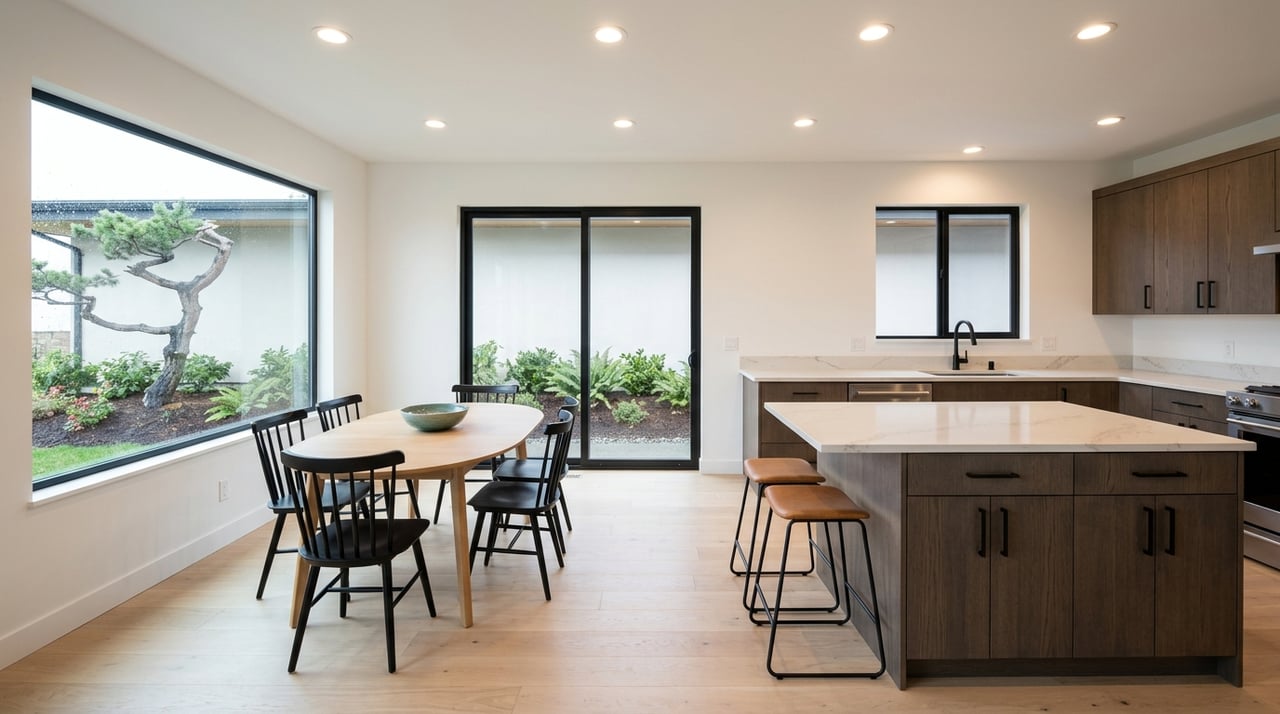
When you tour homes in Brookings, weather-friendly details can matter a lot in daily life. Some features are less flashy than a view deck, but they often add real comfort and long-term value.
Look closely at things like:
- Drainage patterns around the home
- Gutters and downspouts
- Signs of moisture near decks, crawl spaces, and attics
- Sheltered outdoor areas
- Exposure to wind
- Exterior materials and visible metal hardware
- Ease of ongoing maintenance access
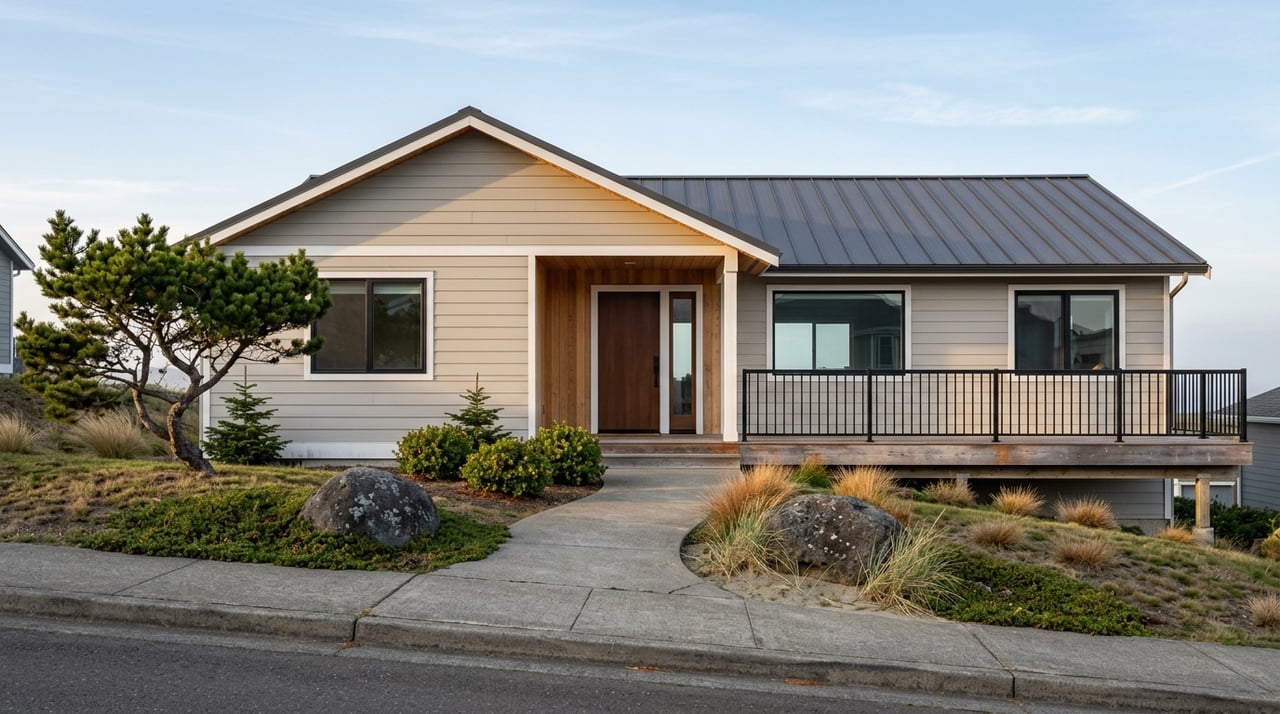
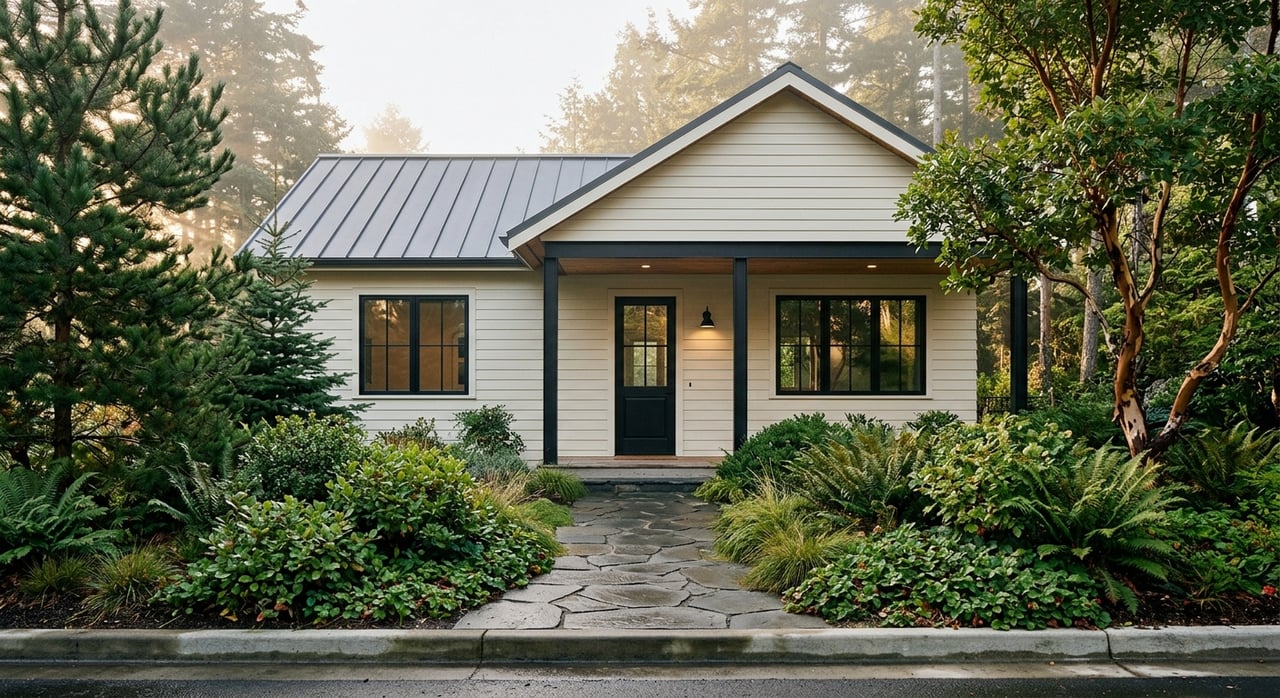
In this market, a home designed for rain, wind, and salt air is often better suited to everyday coastal living than one that only looks good in listing photos.
Why Weather Matters for Homebuyers
If you are relocating to Brookings, weather is not just small talk. It affects how a place lives.
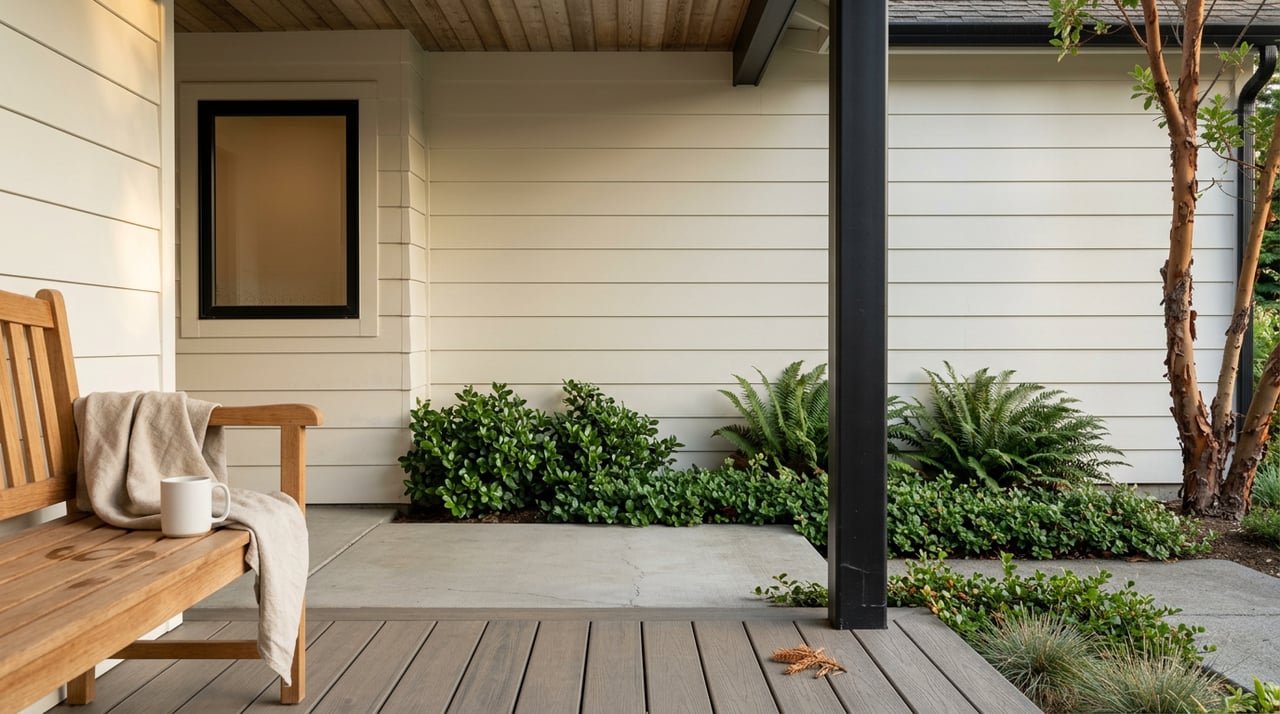
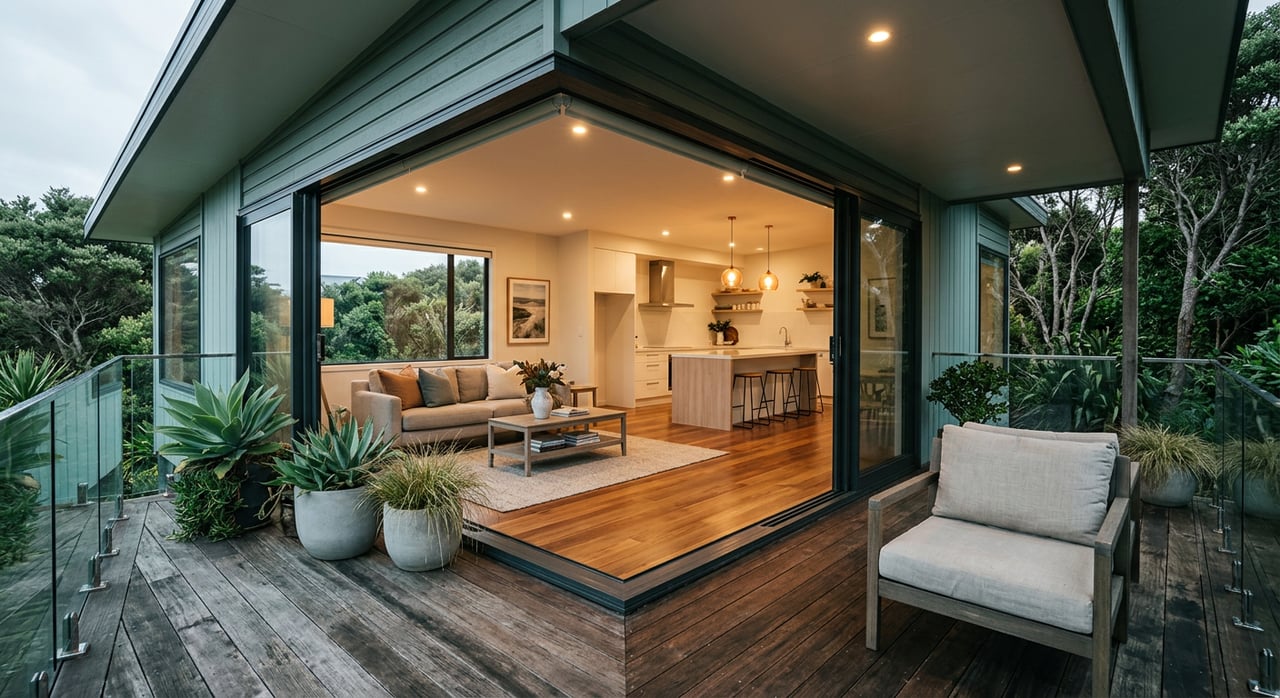
A house with a protected patio may get used more often than one with a wide-open deck facing strong wind. A yard with a sunny, sheltered corner may offer better gardening options than a larger lot that stays exposed and cool.
This is one reason local insight matters. The same city can feel very different from property to property depending on exposure, drainage, and proximity to the shoreline.
Why Weather Matters for Sellers Too
For sellers, understanding Brookings weather can help you present your home more effectively. Buyers often want to know not just how a property looks, but how it functions through the seasons.
Clear evidence of maintenance, moisture management, protected outdoor living, and durable exterior choices can help buyers feel more confident. In a coastal market, practical readiness is part of the story.
That is especially true when marketing homes to out-of-area buyers, second-home shoppers, or retirees who may be comparing Brookings to inland climates. The more clearly your home shows it is ready for coastal conditions, the easier it can be for buyers to picture everyday life there.
Brookings Weather Is About Balance
In the end, Brookings weather is best understood as a lifestyle climate. It is mild, ocean-influenced, and often comfortable, but it comes with real coastal patterns like winter rain, fog, wind, and salt air.
For many people, that balance is exactly the draw. You get a place where outdoor life can be part of the routine year-round, gardens can thrive with the right setup, and homes are shaped by durability rather than by extreme heat or snow.
If you are considering buying, selling, or simply learning what coastal living really feels like in Brookings, local perspective can make all the difference. To explore homes and get grounded advice about life on Oregon’s Southern Coast, connect with Pacifica at Rogue Reef Project.
FAQs
What is Brookings, Oregon weather like year-round?
- Brookings has a mild maritime climate with average winter highs around 54 to 55 degrees and late summer highs around 66 to 67 degrees, along with seasonal rain, fog, and wind.
Does Brookings, Oregon get a lot of rain?
- Yes, Brookings is very wet in late fall and winter, while July and August are much drier and each average less than one inch of rain.
Does Brookings weather support gardening at home?
- Yes, Brookings can support productive gardens, especially with raised beds, wind protection, and crops that do well in cool coastal conditions.
What weather issues should Brookings homebuyers watch for?
- Brookings buyers should pay close attention to drainage, gutters, moisture signs, wind exposure, and the condition of exterior materials affected by rain and salt air.
Is Brookings weather good for outdoor activities?
- Yes, Brookings' mild climate supports outdoor activities year-round, but daily plans often need to account for rain, fog, and windy conditions.
What does the Chetco Effect mean in Brookings?
- The Chetco Effect refers to warmer air influences in the area that help explain Brookings' “banana belt” reputation, even though the climate is still coastal and moderate overall.